


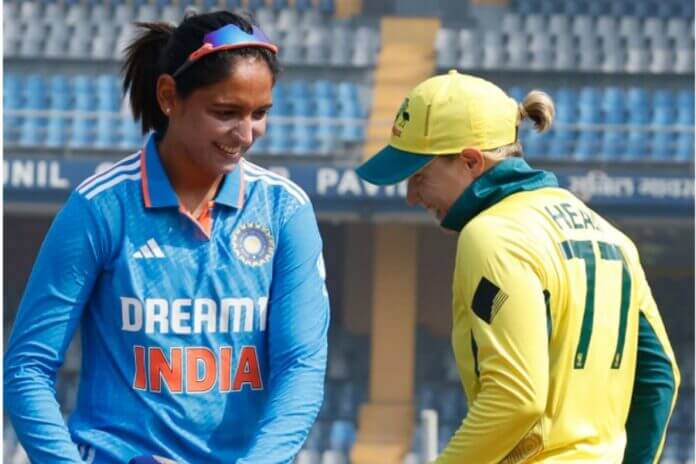

As Harmanpreet Kaur steps down as the captain of the Indian women’s cricket team, it brings an end to one of the most transformative eras for the team.
From India’s maiden ICC Women’s Cricket World Cup win in 2025 and two Asian Games gold medals to the heartbreaks and near misses along the way, Harmanpreet took over one version of Indian women’s cricket and leaves the captaincy in a very different one.
Interestingly, 2026 also marked 10 years since Harmanpreet first took over India’s T20I captaincy. When Mithali Raj retired in 2022, she took charge of the ODI and Test teams.
View this post on Instagram
Looking back at her captaincy, some of Harmanpreet’s biggest performances and toughest challenges came either in Australia or against one of the most successful teams in women’s cricket. Australia has been there through so many chapters of Harmanpreet’s story.
An Australian connection that started early
Even before Harmanpreet became India’s T20I captain, Australia gave Harmanpreet one of her earliest opportunities to make her mark outside of India through the Women’s Big Bash League (WBBL). In 2016, she became the first Indian cricketer, male or female, to sign a Big Bash League contract when she joined Sydney Thunder.
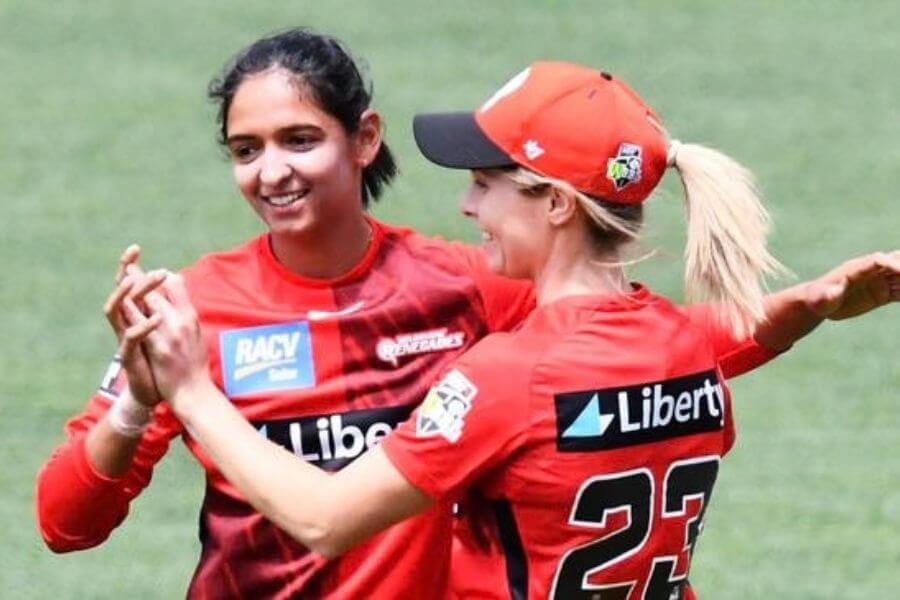
She then went on to represent Melbourne Renegades and produced one of her finest WBBL seasons in 2021, scoring 399 runs and taking 15 wickets to become the first Indian to be named the Player of the Tournament in the BBL.
The innings Australia still remembers
It is difficult to talk about Harmanpreet Kaur’s career without coming back to her magnificent 171* from 115 balls against Australia in the semi-final of the 2017 ODI World Cup. India won that match by 36 runs and advanced to the World Cup final.
She was not the captain that day, with Mithali Raj still leading the side, but the innings is still considered one of the best knocks of Harmanpreet’s career and provided an early glimpse of what she was capable of on the bigger stage.

A year later, in her first T20 World Cup as captain, Harmanpreet became the first Indian woman to score a T20I century, scoring 103 against New Zealand. She then led India to the semi-finals.
From the MCG to Birmingham
In 2020, India reached the T20 World Cup final against hosts Australia at the MCG, played before a record crowd of 86,174. India lost, but the match showed how far the team and women’s cricket had come.
Two years later, India faced Australia again in another final, this time at the 2022 Commonwealth Games in Birmingham. Harmanpreet, alongside Jemimah Rodrigues, briefly put India in a strong position before Australia fought back to clinch the Gold medal.
When the results started changing
A few months after the Games, things started to shift for the women in blue. In December 2022, India ended Australia’s 21-match T20I winning streak in Mumbai. A year later, Harmanpreet captained India to their maiden Test victory over Australia, an eight-wicket win on home soil.
These wins showed India were no longer a team trying to meet the standards Australia had set but capable of beating them.
The road to becoming world champions
In 2025, India were chasing their first Women’s ODI World Cup title in front of a home crowd, and standing between them and another final was Australia.
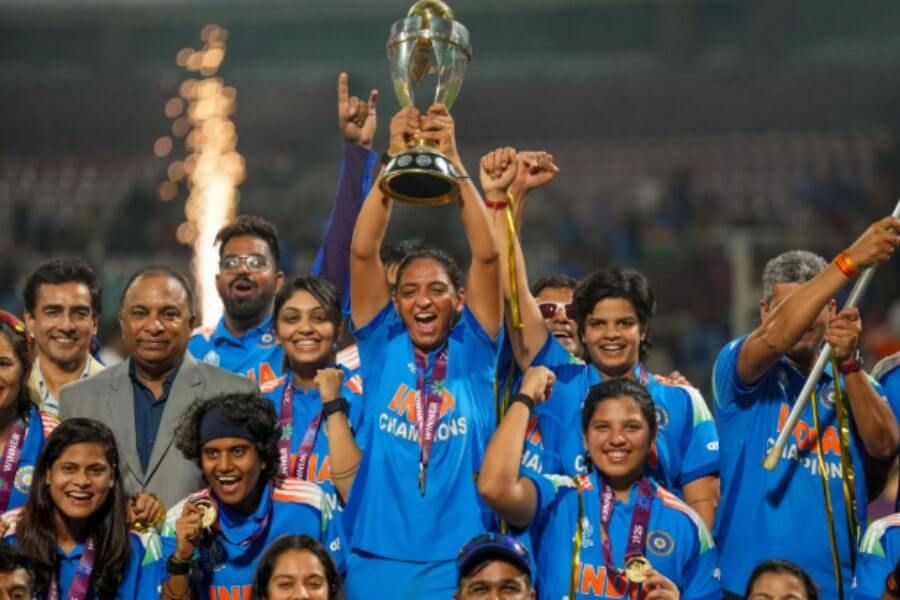
Eight years after Harmanpreet’s 171* in the semi-final of the 2017 World Cup against Australia, she walked into another World Cup semi-final against them, but as a captain. Her 89, alongside Jemimah Rodrigues’s unbeaten 127, helped India beat Australia and book their place in the final against South Africa. India went on to win the final and lift their maiden Women’s ODI World Cup. For Harmanpreet, it was the defining moment of her captaincy.
View this post on Instagram
A captain bigger than the trophies
Harmanpreet leaves the captaincy having led India in 155 T20Is, 51 ODIs and 5 Tests. Her final assignment as a captain included a Gold Medal at the 2026 Asian Games and a historic win against England in the first-ever women’s Test match at Lord’s.
However, the numbers and trophies alone do not quite capture the transformation Captain Harman led. She took charge when women’s cricket in India was changing, with Mithali Raj and Jhulan Goswami retired, the Women’s Premier League arriving, emerging players coming in, and the team’s visibility increasing considerably. The expectations around the team grew, and so did the connection between the team and its supporters.
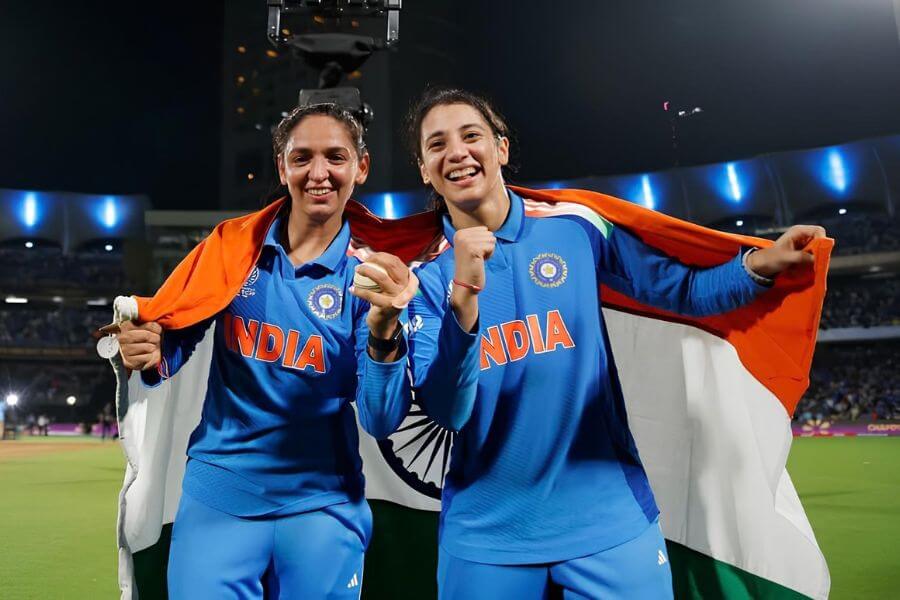
Australia played a unique role in measuring that transformation. Harmanpreet produced one of her greatest innings against Australia, suffered some of her most painful defeats against them as captain, learnt what it took to compete with a team that had dominated women’s cricket for years, and helped India beat them on the way to becoming world champions.
Now, at 37, Harmanpreet has handed the captaincy to Smriti Mandhana, but this is not quite a farewell. We will still see the familiar No. 7 walking out, but without the captain’s responsibility on her shoulders. She will walk out as cricketer Harmanpreet Kaur, continuing this next chapter as she described it, for the love of the sport.
The captaincy chapter has closed, but the story has not.
Read Also: Australia v India 2026: Have the tables finally turned?
Harmanpreet Kaur captaincy