



Madhan Balasubramanian aged care
An elderly man is discharged from hospital after a fall. His treatment is complete, his discharge papers are ready and the hospital has done its job. But nobody checks whether his eyesight is deteriorating, whether his medication is making him dizzy or whether the broken step at his front door could cause another fall.
A few months later, he is back in hospital. This time, his daughter has to take leave from work to look after him.
It is a familiar situation for many families, and one that Associate Professor Madhan Balasubramanian believes exposes a fundamental weakness in the way aged care systems are designed.
“Every service did its job, and yet the system let him down,” says Balasubramanian, Deputy Director of Health Care Management and Research Lead at Flinders Business School, Flinders University, Adelaide.
The Indian-origin researcher is calling for governments to stop treating aged care as a collection of separate problems and instead look at the entire system, from healthcare and social services to housing, transport, workforce planning and family support.
His argument comes at a time when the global population aged 60 and over is projected to more than double by 2050, putting growing pressure on countries to rethink how they support older people.
BEYOND INDIVIDUAL FIXES
In a 2026 research paper published in Health Care Management Review, Balasubramanian and his co-authors argue that governments often respond to aged care challenges one issue at a time. They train more nurses, introduce digital platforms or increase hospital funding, without necessarily considering how these interventions work together.
“Each of these can be a good idea on its own. But an older person does not live in one part of the system,” he tells Indian Link.

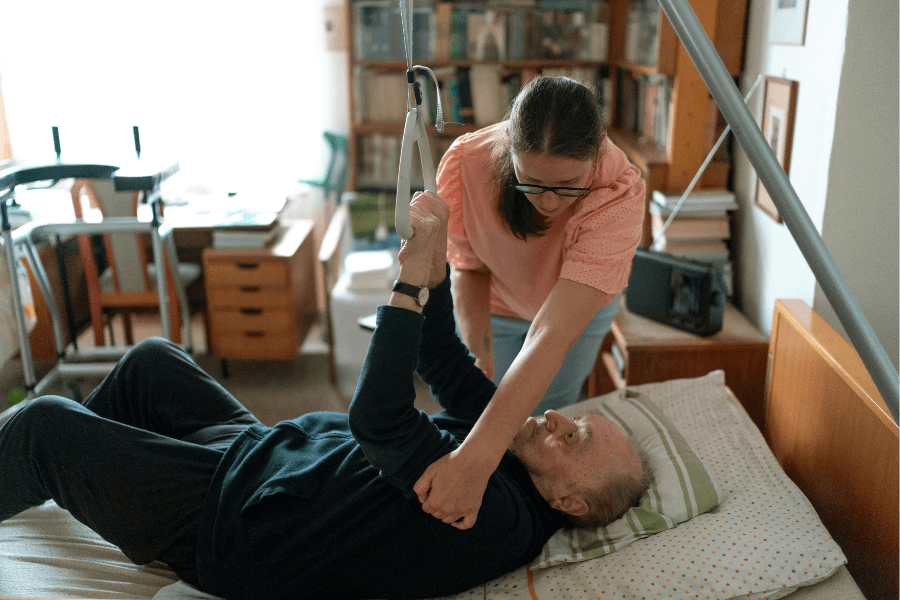
He illustrates this through the example of a 78-year-old woman living with diabetes, hearing difficulties and a recent fall. Her needs may involve a GP, pharmacist, physiotherapist, dentist, eye specialist and home-care support. Even the safety of the footpath outside her home can affect her ability to remain independent.
When each service is planned and funded separately, coordinating them becomes the responsibility of the older person and their family.
The researchers propose a transdisciplinary approach, in which professionals, policymakers, older people and caregivers work together to develop solutions rather than operating within their individual areas.
FAMILIES CARRY THE BURDEN
The consequences of fragmented care are not limited to older people. Family caregivers frequently become the unofficial coordinators, booking appointments, carrying medical reports between specialists, arranging medicines and organizing assistance at home.
In India, this responsibility often falls on women, while smaller families and migration across cities and countries are making traditional caregiving arrangements harder to sustain.
“Families today are doing the joining-up themselves,” says Balasubramanian.
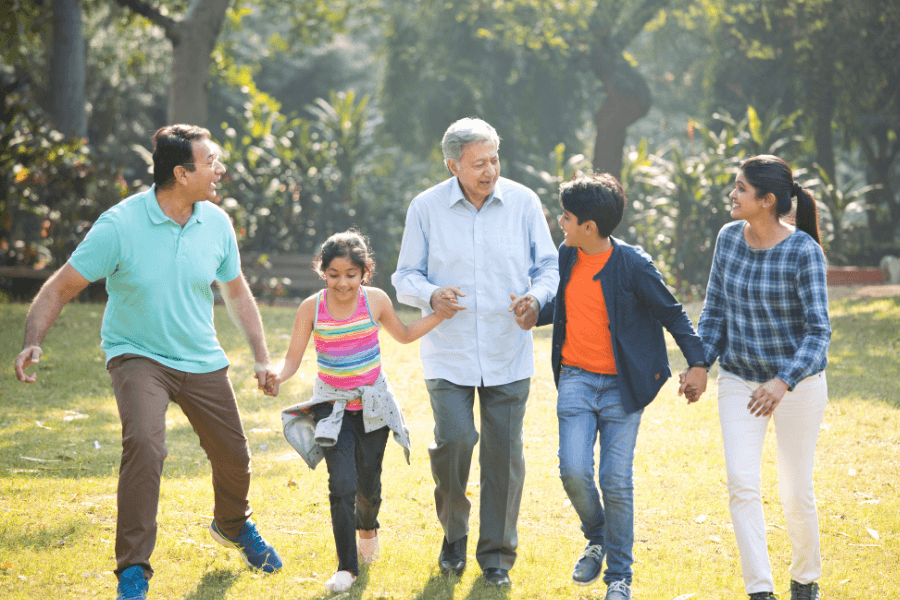
He believes an integrated system would ease this burden through shared medical records, coordinated medication reviews, home visits and a designated care coordinator who understands the older person’s needs.
India already has a community-level network that could play an important role. Accredited Social Health Activists (ASHA), who work closely with households, could help connect older people with healthcare and support services if provided with adequate training, resources and remuneration.
LESSONS ACROSS BORDERS
Australia and India face different challenges as their populations age. Around one in six Australians is currently aged 65 or over, a proportion projected to reach approximately one in four by the 2060s. India, meanwhile, has about one in 10 people aged 60 or over, a figure expected to roughly double by 2050.
Australia must address aged care workforce shortages, dementia and other long-term conditions, and the disconnect between hospitals and aged care services. India faces the challenge of ageing at a much faster pace, alongside the combined burden of chronic illnesses such as diabetes and heart disease and infectious diseases such as tuberculosis.
Balasubramanian cautions against simply importing Australia’s formal aged care model into India. Instead, he believes both countries can learn from each other’s strengths.
India’s tradition of family and community-based care offers valuable lessons for Australia, particularly the role of neighbourhood networks, temples and local organisations in supporting older people.
Australia, in turn, has experience with regulated aged care services, workforce standards and formal support for caregivers. India can draw on these as it develops services that complement family care rather than replace it.
CARE ACROSS CONTINENTS
The need for better coordination is particularly evident among Indian families living in Australia who have ageing parents back home.
“They send money home, but money alone cannot coordinate care from ten thousand kilometres away,” he informs.
A community health worker or designated coordinator in India, accessible medical records and teleconsultations that allow family members overseas to participate in appointments could make a difference.

Balasubramanian also believes workplaces and visa settings in Australia should better recognise that caregiving responsibilities can extend beyond national borders.
Looking ahead, his message to policymakers is that adding more services will not necessarily deliver better care unless those services work together.
As he puts it, “Joining up care is not a luxury for wealthy countries. I would argue it is one of the most practical equity strategies we have.”Madhan Balasubramanian aged care
READ ALSO: Duty and distance: Caring across continents