


It has been a dramatic few days for Australian cricket, to say the least. There have been more twists and turns than in a tight T20 game, and it has drawn in cricket experts and fans well beyond Australia.
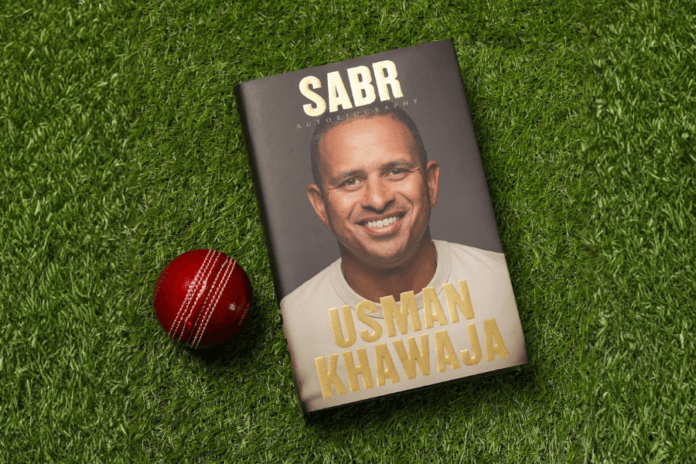
At the centre of it all is a book, Usman Khawaja’s Sabr. Having written a cricket book myself, I picked it up on launch day and read it cover to cover.
It is a fascinating account of a cricketer who has frequently made news beyond his on-field exploits. The boy from Islamabad became Australia’s first Pakistan-born and first Muslim Test cricketer. He kept fighting his way back into the side, and he has never been shy of speaking his mind. Whatever you make of its claims, Sabr (meaning ‘patience’ in Urdu) will now travel with him, as much a part of his legacy as his sixteen Test hundreds.
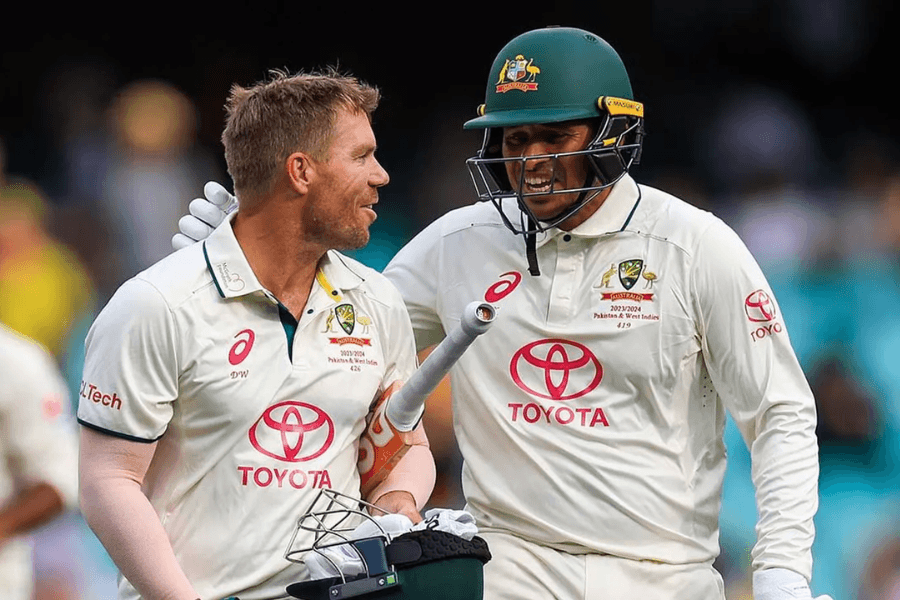
The book is about much more than four words in chapter 17 of a 448-page book: “It was all of us.” That one line has been a bouncer, a googly and a yorker rolled into one. I don’t want to give everything away, and I’d like you to read it yourself. But I found four strong threads running through it, and I think of them as the four Fs: faith, family, fight and fairness.
Faith
Faith is a constant theme throughout the book. It is clear that being a good Muslim is very important to Khawaja, and a big part of who he is.
You can see how it has shaped his growth as a person. It gives him strength in difficult moments and through setbacks, and it guides his big decisions, including those about his relationships. It also shows up in the everyday, in how he goes about his life on and off the field. Whether he is writing about cricket, his personal journey, his family or how others see him, his faith is always part of the picture.
View this post on Instagram
Family
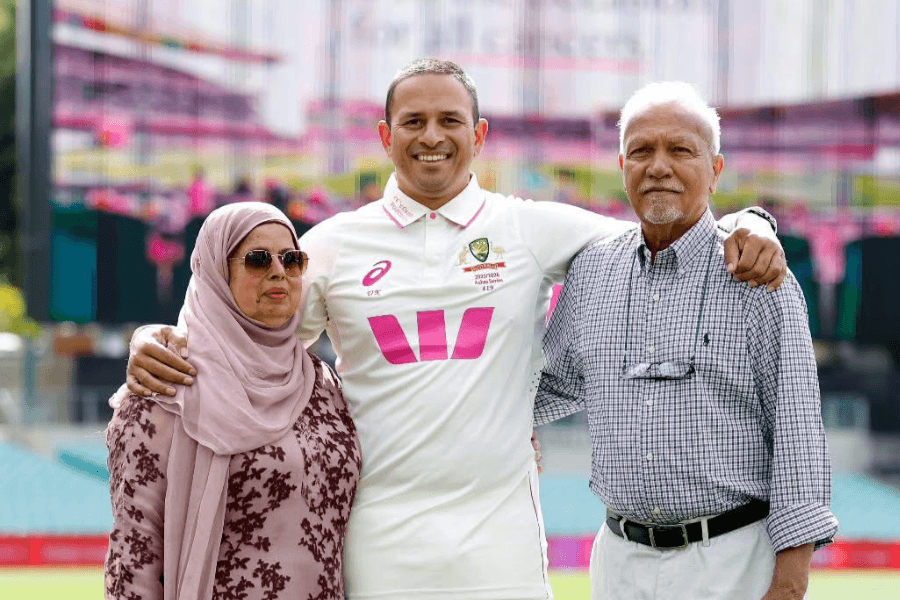
Family is the other great pillar of the book. His parents, Tariq and Fozia, gave up a great deal to raise their boys in Sydney, and Khawaja makes sure the reader knows it. His brothers, his wife Rachel and their daughters are his home crowd, there for every moment that matters.
Two things will feel familiar to anyone who grew up in a South Asian home. At his retirement, he turned to his father and asked, “88 Test matches, Dad, is that enough?” And in the book, he writes about how much it mattered that his mother approved of his partner, and that the two of them got along.
Fight
His story is one of grit. By any measure, Khawaja had an illustrious career, but he had to fight for almost all of it. He was dropped from the Test side eight times. He moved from New South Wales to Queensland to rebuild his game and earn his way back. And when many thought his Test days were over, he returned at 35 and played some of his best cricket.

What I didn’t know before reading the book was that he was diagnosed with rheumatoid arthritis at 22. He managed it through a long career at the highest level, which took a resolve of its own.
Fairness
Of the four threads, this is the one that comes through most strongly. You come away with a clear sense that Khawaja has long felt like an outsider in Australian cricket, often handed the short end of the stick.
The claim drawing the most attention is about the interim captaincy after Cape Town in 2018. Khawaja writes that Australia “weren’t ready for a brown Australian cricket captain”. Australian captain Pat Cummins has rejected that: “I just don’t think that’s the case.”

He also revisits the Lord’s Long Room incident during the 2023 Ashes, when MCC members abused the Australian players. The MCC apologised, then expelled one member and suspended two. The book adds a new allegation, that one member aimed a racial slur at his Pakistani background.
Khawaja also speaks up for others he believes are being treated unfairly. Before a Test against Pakistan in 2023, the ICC barred his shoes carrying the words “All lives are equal”, written in the colours of the Palestinian flag. He wore a black armband instead. The book also goes behind the scenes of his 2025 meeting with Prime Minister Anthony Albanese, where he urged stronger action on Gaza.
Finally
Sabr is a compelling account of one of Australia’s most significant cricketers, even if parts of it read like grievances still being worked through. What you have to give him is how raw and open it is. He has told his story his way, and that deserves respect.
While the Sandpapergate chapter will drive most of the conversation about the book, Sabr has Khawaja batting on his own terms, setting out how he sees himself. Readers can judge this innings of his as an author for themselves.
Read more:Book Review: Nikhil Kulkarni’s My Summer of Cricket