


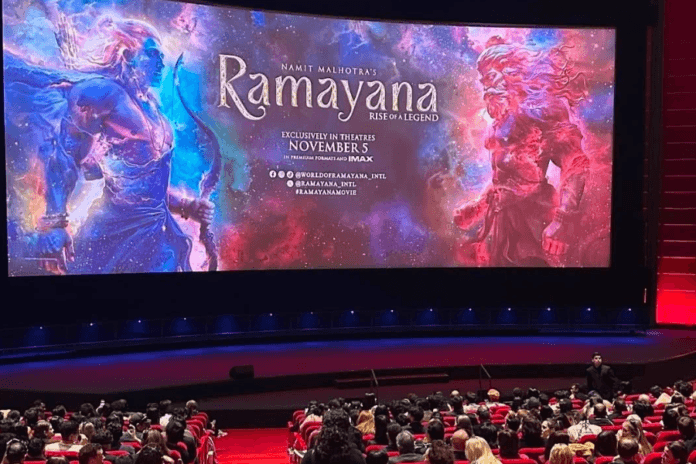
On the second weekend of November, the two most-watched films in Australia were not in English. Nitesh Tiwari’s Ramayana: Part One, a Hindi-language epic about an exiled prince, took first place with A$2.7 million from 117,000 admissions. A Japanese monster film, Godzilla Minus Zero, came second. According to cinema advertiser Val Morgan, no Australian weekend had ever been led by two foreign-language films before.
The trade press called it ‘Ramazilla’. It was tempting to read more into it: that Indian mythology had finally broken into the Australian mainstream, the way Korean thrillers and Japanese anime have. I would like that to be true. On the evidence so far, it isn’t, and the more interesting story is the one we risk missing while we chase the crossover headline.
The big bet
Ramayana is the largest wager Indian cinema has ever placed. The two-part epic carries a combined reported budget of ₹4,000 crore. It was shot for IMAX, with visual effects by DNEG, the London studio behind Dune, and is released worldwide by Sony Pictures. HOYTS listed it in five Indian languages, all with English subtitles.
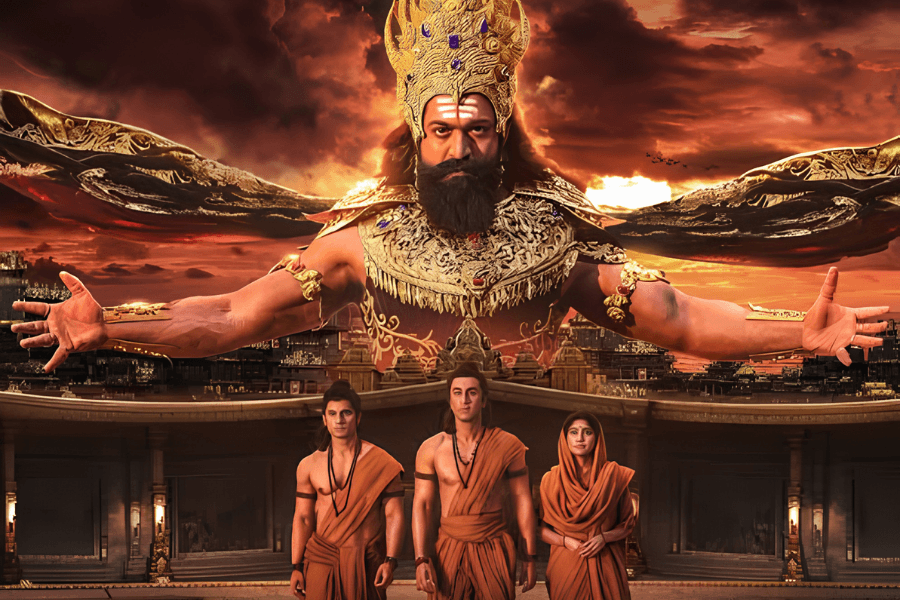
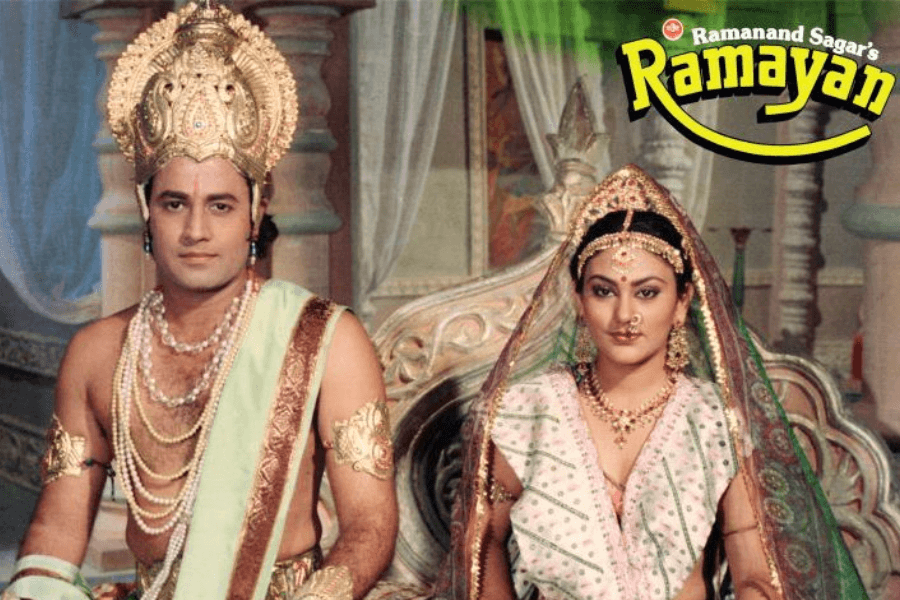
That cast is a marketing engine in its own right. Ranbir Kapoor plays Rama, Sai Pallavi is Sita, and KGF star Yash (who is also the co-producer) plays Ravana. Pan-Indian casting means Hindi, Kannada, Telugu and Tamil audiences each have a reason to turn up. And there is a knowing nod to their parents: Arun Govil, who played Rama in the 1987 Doordarshan serial, returns as King Dasharatha.
The investment bought a genuine event. Distributed in Australia by Mitu Bhowmik Lange’s Mind Blowing Films, Ramayana posted the second-biggest Bollywood opening in Australian history, behind only Dhurandhar: The Revenge earlier this year. Its second weekend added about A$1.97 million, pushing its local total past A$6 million, per Bollywood Hungama. Trade site Pinkvilla says no Indian film has had a stronger second weekend here, and expects it to become the highest-grossing Indian release ever in Australia.
Who is buying the tickets
Look at how Val Morgan itself described that opening weekend. Ramayana, it said, spoke directly to Indian Australian communities. It was Godzilla it credited with reaching a mainstream crowd.

That distinction matters. Godzilla belongs to a franchise most Australians already know. Ramayana asks a viewer to meet Rama, Sita and Ravana over more than three hours in a complex socio-cultural setting, with subtitles. For one audience, the story carries the weight of childhood and faith. For another, it requires homework. It’s not the usual Bollywood song and dance where you’ll find the audience hooting and clapping. It’s a quieter experience, more of a test for Bollywood to see if they pass the VFX spectacle test. Non-Indian viewers are surely in some of those seats, but nobody has shown how many. Until cinema chains share their booking data, crossover is a hope, not a finding.
The finding sitting in plain sight is about Indian-Australians, who you will see in these packed theatres.
For many second-generation Indian Australians, the Ramayana arrived second hand, through a grandparent’s bedtime telling, an Amar Chitra Katha comic, a Diwali skit in a community hall. Hindi cinema was something parents took them to on a long Sunday afternoon. It was rarely something they chose.
Ramayana: Part One is built for a generation raised on Marvel instead. Val Morgan says two in three cinema-goers that opening weekend were aged 18 to 39, a figure for the whole weekend, not Ramayana alone, but telling all the same. Sales then rose again on Tuesday, when tickets are cheaper, and held into the second weekend. That is the shape of word of mouth among friends, not a front-loaded opening that fades.
The ₹2 crore surprise
Hanuman Ansh makes the same case from the opposite end of the market. Vishal Chaturvedi’s devotional drama about Neem Karoli Baba, the revered Hanuman devotee, was made for about ₹2 crore and released in August 2026. It opened on roughly 250 screens in India, slid to around 40, then rebuilt on word of mouth to more than 2,000. It has grossed over ₹450 crore worldwide, per Sacnilk, one of the most profitable Indian films ever made.
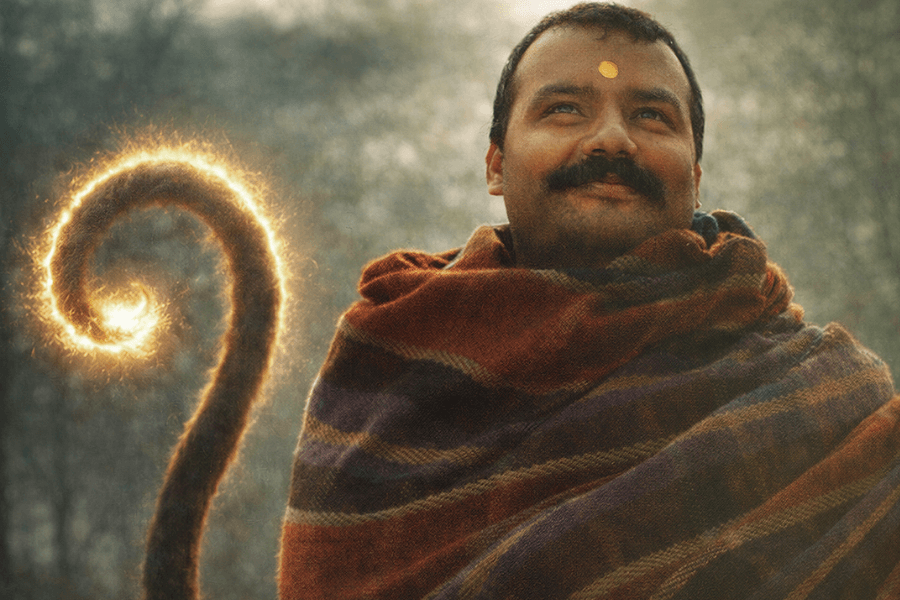
Hombale Films only picked up overseas rights once the Indian run took off. In Australia the film grossed about A$1.23 million, per Bollywood Hungama, at one point sitting at number 12 nationally on just 48 screens. No stars, no spectacle, just community word of mouth, the same engine that has kept Ramayana on top.
Mythology is not a magic word, though. Mahavatar Narsimha was India’s highest-grossing animated film of 2025, yet it did not make big money in Australia. And Ramayana, for all its scale, still opened below a spy thriller.
Beyond the headlines
There is a case for the community audience being enough. As a diaspora, we spend a great deal of energy measuring our culture by whether others validate it. Crossover becomes the prize; community success becomes the warm-up act.
For distributors and cinema chains, the lesson is clear. Faith-based and mythological Indian stories are a durable category in Australia, at every budget level. They reward multi-language releases, patient runs that leave room for word of mouth, and timing around festivals such as Diwali.
Part Two arrives at Diwali 2028. If its audience grows, rather than shrinks, and cinemas can show new viewers well beyond the usual postcodes, then we can talk about a new Australian audience.
Read more: Dhurandhar 2 rewrites Australia’s box office history in just 10 days