



“Neurospicy” is a term I first heard from a neurodivergent friend almost five years ago. I found it whimsical and rather fitting, particularly because “spice” immediately brought to mind my Indian heritage, food and culture. A quick search revealed that it was a playful way of describing neurodivergence. More importantly, it helped me recognise that my mind did not always follow the patterns I had assumed were ordinary.
A few weeks, a rather pricey psychiatric consultation and several follow-ups later, I received a formal diagnosis: Attention-Deficit/Hyperactivity Disorder (ADHD).
Neurodiversity is increasingly part of conversations about inclusion yet remains unfamiliar in some communities. In South Asian households, parents and children may not always have the language to recognise neurological differences. What happens when a child experiences the world differently, but those around them cannot quite recognise it? I want to explore that question through my experience of growing up with ADHD in a very desi household.
Understanding neurodiversity
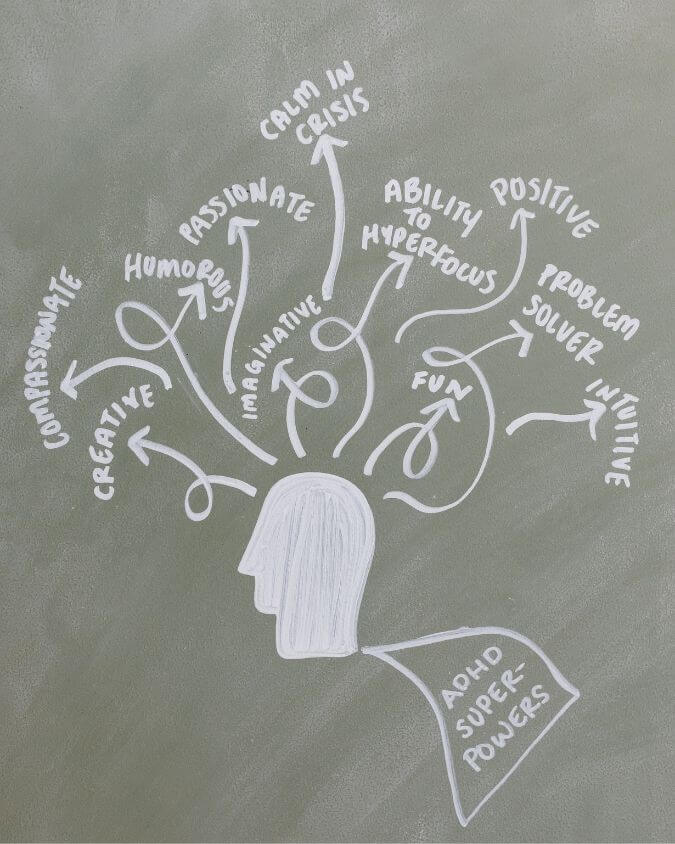
Harvard Health describes neurodiversity as the idea that people experience and interact with the world in different ways, with no single correct way of thinking, learning or behaving. The Australian Institute of Family Studies similarly discusses neurodivergence in terms of neurological functioning that differs from what is considered typical.
Neurodiversity recognises natural variation in how people think, communicate and learn. It does not deny that neurodivergent people experience difficulties or need support; it asks us to consider the environments in which they are expected to function.
Culture matters here. Our understanding of neurodiversity through psychology and neuroscience does not necessarily travel seamlessly into our homes and communities. What happens when the language used by health professionals is unfamiliar to the families who need it?
What does the Australian evidence tell us?
A 2024 study by Smith and colleagues examined South Asian parents’ experiences of autism diagnosis and early support in Australia. Interviewing 13 parents from Indian, Pakistani and Sri Lankan backgrounds, the researchers identified challenges including limited community understanding, judgement and blame, difficulties navigating diagnosis and funding, lengthy waiting lists, and a lack of culturally specific support.
Some parents reported that their children’s differences were attributed to poor parenting, inadequate socialisation or excessive screen use. These experiences could be isolating, affecting both children and their parents’ mental health.
The research illustrates that neurodivergence is navigated within family structures, community expectations and cultural understandings of childhood. For some families, the challenge is not unwillingness to support their children, but simply not knowing where to begin.
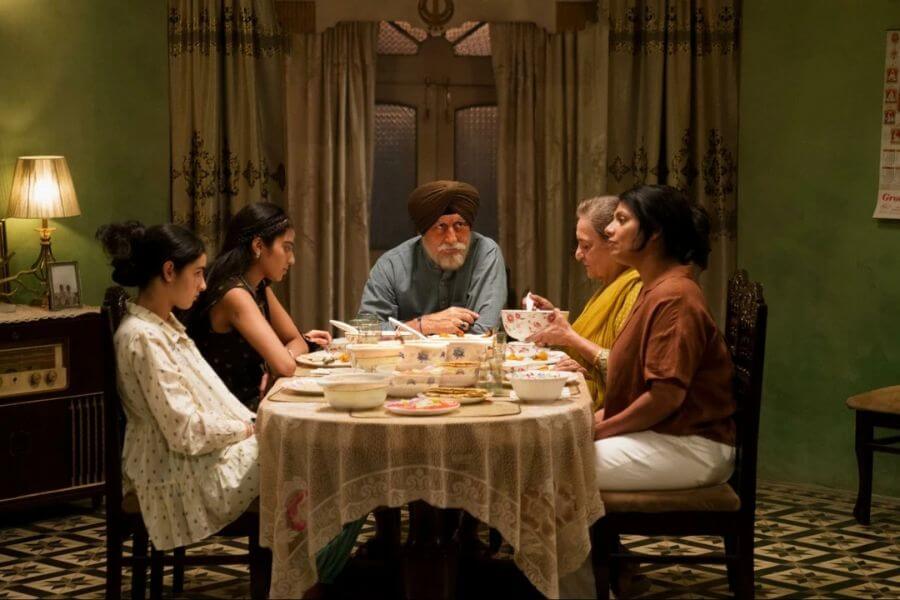
Behind the interviews are children trying to make sense of themselves and the world around them. My own experience offers another perspective on what happens when neurological differences go unrecognised.
Not all families, and certainly not mine
I had always understood that I viewed the world differently. I was easily distracted at school, spent considerable time daydreaming and often doodled in my books. A recurring observation in my school reports was that I needed to “focus”.
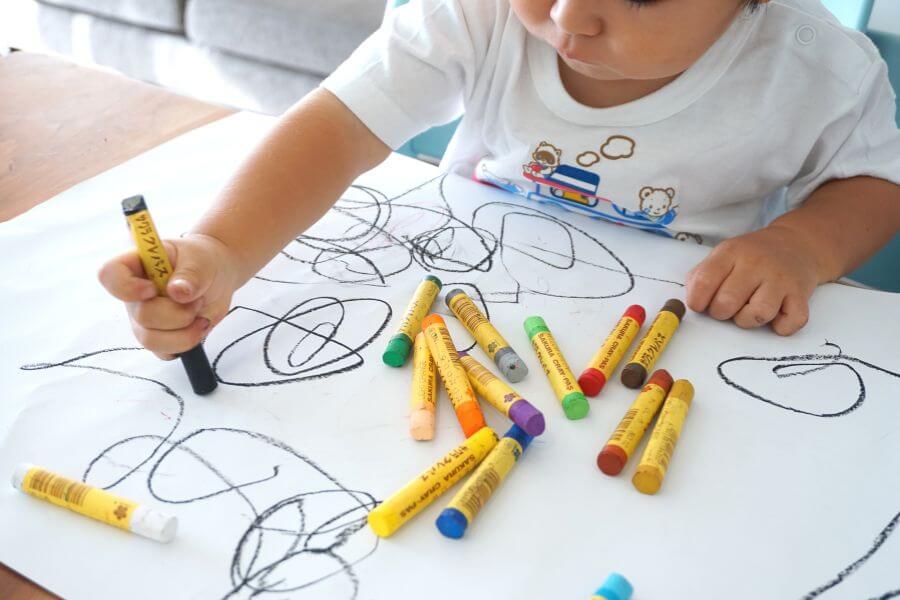
Prophetic, some might say, of my eventual ADHD diagnosis.
My behaviour was largely attributed to being a boy. “Boys are easily distracted” was the familiar explanation. In my case, what looked like ordinary boyhood behaviour was partly ADHD that went unrecognised for years.
Social interactions could feel consuming. I dwelt on particular words, misread social cues, blurted things out, jumped between topics and interrupted others. I assumed everyone experienced the world in much the same way.
As I grew older, I became more introverted and retreated from social interactions. Relatives questioned why I was like that or why I did not interact more. By my mid-twenties, questions about marriage had also become a recurring feature of family conversations. I understood my differences as introversion rather than considering a neurological explanation.
Then came that conversation with my friend, who gently introduced me to the neurospicy world. Suddenly, there was a language for experiences I had spent years trying to explain away.
And then there was my mum. She understood the assignment.
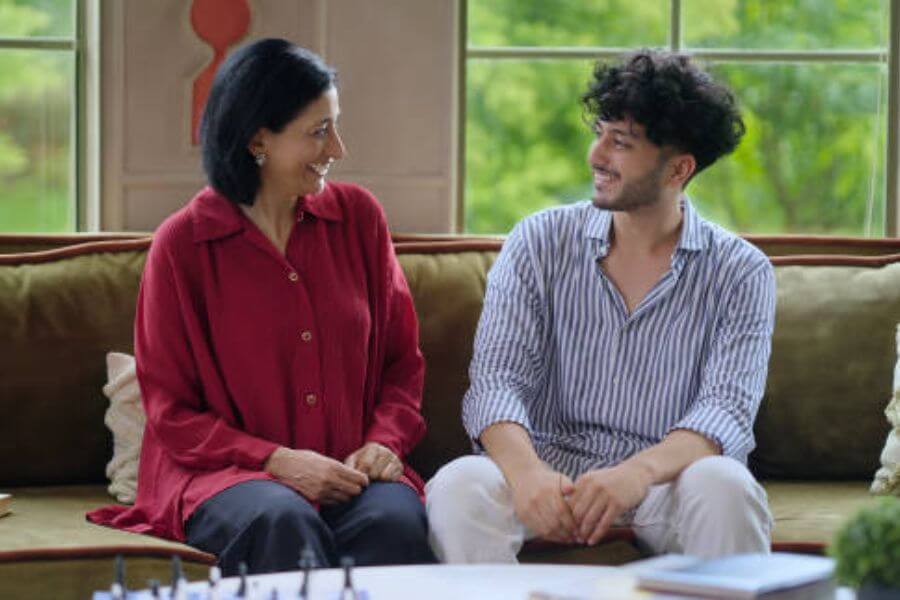
She had not grown up in a world where neurodiversity was widely discussed. Yet, when I pursued a formal diagnosis, she supported me throughout. Her willingness to understand, even without the language to describe these experiences, made an enormous difference. She helped me navigate assumptions that had followed me for years, reminding me that understanding does not always begin with knowledge. Sometimes, it begins with simply being willing to listen.
My experience taught me that misunderstanding does not always come from malice. Sometimes, it comes from simply not knowing.
Making space for difference
Improving understanding within South Asian communities means open conversations between healthcare professionals, families, schools and community networks. It means accessible information, culturally responsive support and ensuring a diagnosis is not something to conceal or feel ashamed of.
Children should not have to spend their formative years wondering why they are different, or feeling that those differences make them less worthy of acceptance.
I was fortunate to have a mother who stood beside me as I began to understand myself. Not every child will have that experience, and that is precisely why greater awareness matters.
Neurodivergence is not something that needs to be hidden or corrected to satisfy the expectations of others. It is part of the diversity of human experience.
Perhaps the first step towards a more inclusive South Asian community is recognising that difference has a name. More importantly, behind every diagnosis is a person who deserves to be understood, accepted and given the space to flourish.
Read Also: ADHD care: Cultural challenges