


“You’re Indian, aren’t you?”
To Hiya Thacker, the words never really sounded like a question. They were more a statement, an assumption about her identity based on where she came from.
When she first heard them in Melbourne, during a part-time hospitality work, she was too shocked to respond. It was her first experience of racism since moving to Australia, and it left her thinking about how quickly people form opinions about one another.
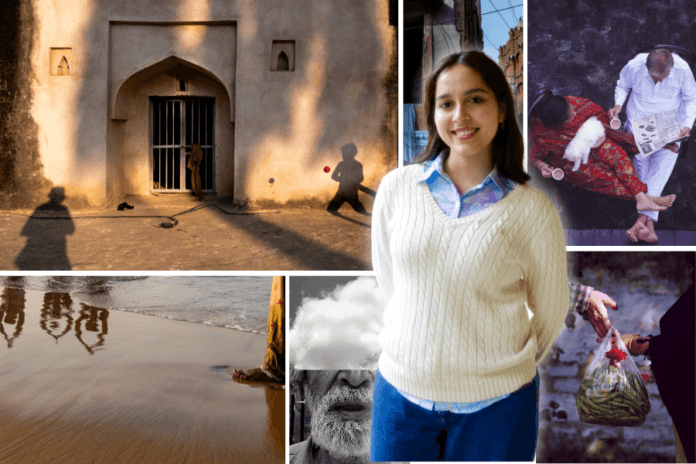
More than a year later, the 21-year-old University of Melbourne student has found a way to respond – not with an argument, but through art.
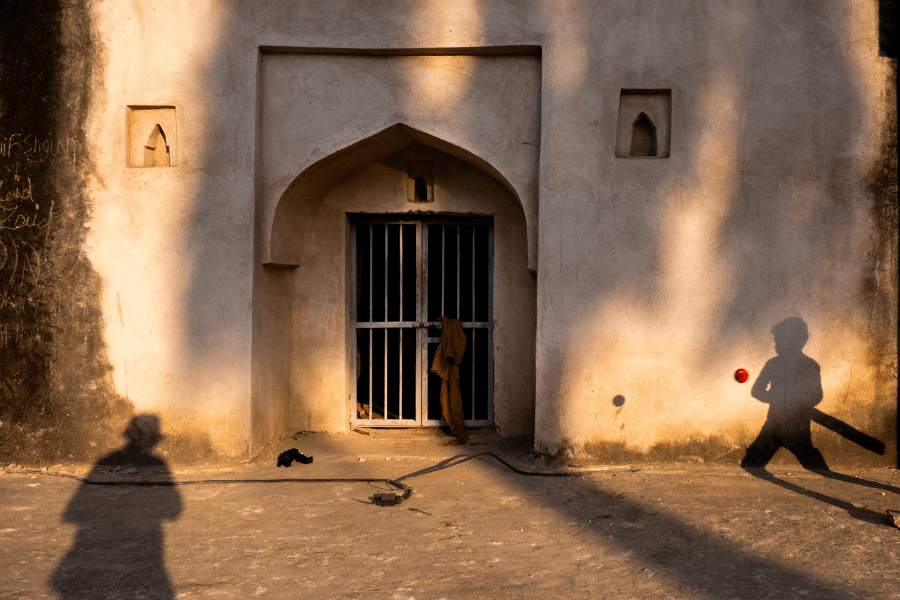
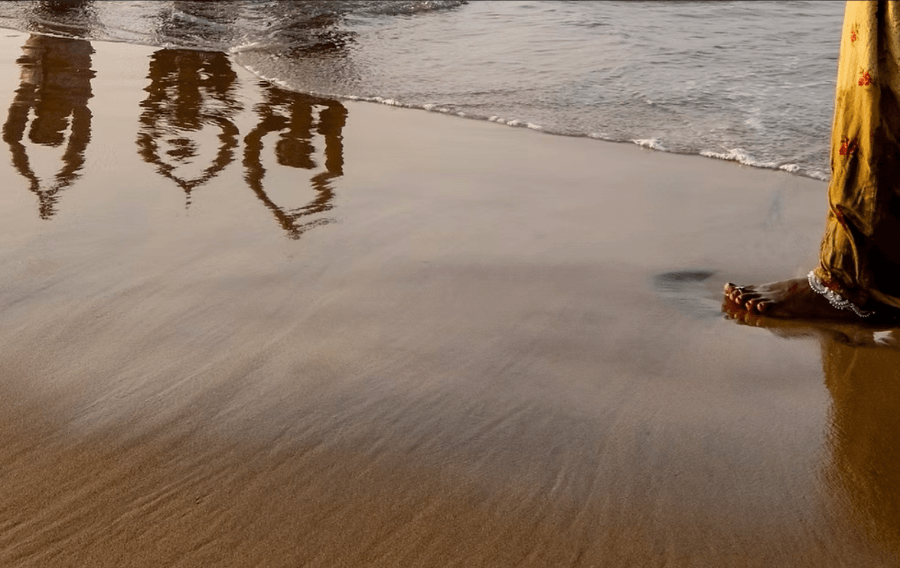
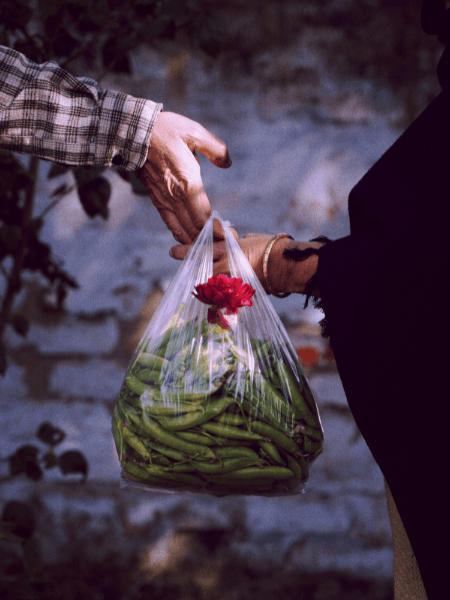
Her exhibition, You’re Indian, Aren’t You?, at XYZ Photo Gallery in Melbourne brings together 52 photographs by seven Indian photographers, offering varied glimpses of a country that cannot be captured through a single image or identity.
Having grown up in India, Thacker had rarely considered what being Indian meant in a global context. Moving to Melbourne made her more conscious of how identity is shaped by geography, interactions, food and lived experiences.
View this post on Instagram
Today, she questions whether someone’s ethnicity needs to be the starting point of an interaction at all.
“Of course, it’s very human to make assumptions but I think it’s essential to go beyond these assumptions we make in our heads because there is so much more to each person than the stereotypes we’ve created for the ease of understanding,” she tells Indian Link.
The exhibition grew from another observation. While studying photography of the Chinese diaspora as part of her university course, Thacker began wondering why similar conversations about the Indian diaspora were not receiving the same attention.
“With such a large Indian community in Australia, I think it is important that our stories, traditions and ways of seeing the world continue to find their place in Australian art spaces.”
View this post on Instagram
Seeing India through many eyes
Thacker approached the seven photographers through Instagram, drawn to the different visual languages they brought to their work. Some were street photographers, others fashion photographers, filmmakers and visual storytellers.
She shared her exhibition’s theme and invited them to submit bodies of work that they felt best represented their understanding of India. The final selection was made collaboratively.
The resulting collection moves between intimate everyday moments and broader social realities. Arbab Kamal Khan’s photographs capture gestures of affection and everyday life rooted in Indian Muslim culture, while Zufishan Rahman’s diptychs find unexpected connections between seemingly unrelated objects.
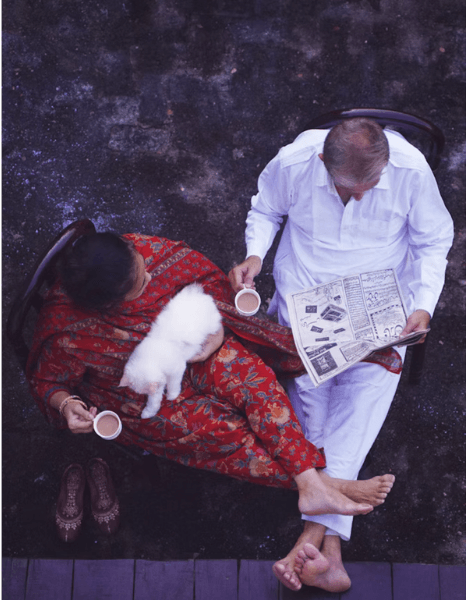
Mumbai-born Mayuri Kataria turns her lens towards people and everyday experiences, including tender moments around motherhood. Danish Mansuri documents the streets, markets and people of India’s old neighbourhoods, while Chetan Verma’s colourful street photographs capture fleeting moments of ordinary life. Anai Bharucha brings queer visibility into the collection through images of pride parades, while George Koruth’s photographs explore India’s neighbourhoods, religious practices and everyday rituals.
View this post on Instagram
For Thacker, the diversity of these perspectives is precisely the point. She did not want to create a checklist of familiar Indian symbols or offer a definitive picture of the country.
“I will never fully be able to represent the diversity or even half of it. Every state, city, region, neighbourhood is so incredibly diverse. With these seven artists who have presented their perspectives of India, I wish to offer no definition of the culture.”
One of the ideas she hopes visitors will take away is that what may appear chaotic or unfamiliar to an outsider is simply somebody else’s everyday life.
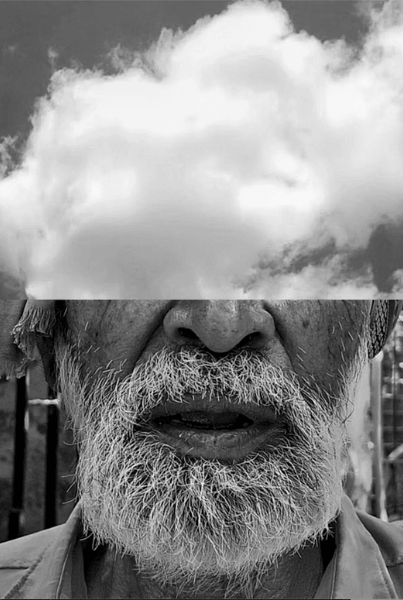
A varied collection of India
The photographers had not seen one another’s selections before the exhibition came together. Yet Thacker feels their works create a natural visual conversation.
She has arranged the photographs in a continuous sequence around the gallery, allowing visitors to encounter each photographer’s individual style.
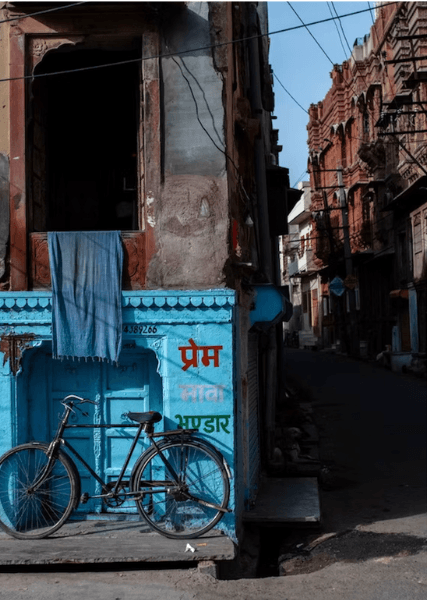
The exhibition concludes with Koruth’s images, arranged in a zigzag sequence in the final room.
“The works are displayed in a single line, with photographs of varying sizes,” she says, adding, “As you move through the exhibition, you begin to recognise the differences in how each photographer approaches their subject, making the sequence a visual conversation between distinct perspectives rather than one uniform narrative.”
She believes the exhibition can speak to audiences beyond the Indian community. For some, the photographs may offer a glimpse of a place they have never visited; for others, they may bring back memories of home.
Even within the Indian community, she acknowledges, there will be different responses.
After all, perhaps the most interesting thing about being Indian is that no two people will answer that question in quite the same way.
Exhibition title: You’re Indian, Aren’t You?
Venue: XYZ Photo Gallery, Docklands, Melbourne
Dates: November 7 – December 20, 2026
Curator walkthroughs: November 28 and December 12, 2026.
Tickets and event details: www.photo-gallery.xyz
Read Also: Framing India’s heritage: Winners in the #myIndianlink photo contest 2026