


Khawaja sandpapergate
Whether it’s a peculiarity of modern society or an extension of the boys’ club mentality that has long underpinned elite team sport, Australians often seem more troubled by disloyalty than dishonesty. Take the reaction in some quarters to the allegations against former SAS soldier Ben Roberts-Smith: despite more than 20 current and former soldiers giving evidence against him, much of the outrage was directed not at the allegations themselves, but at those who were perceived to have broken rank.
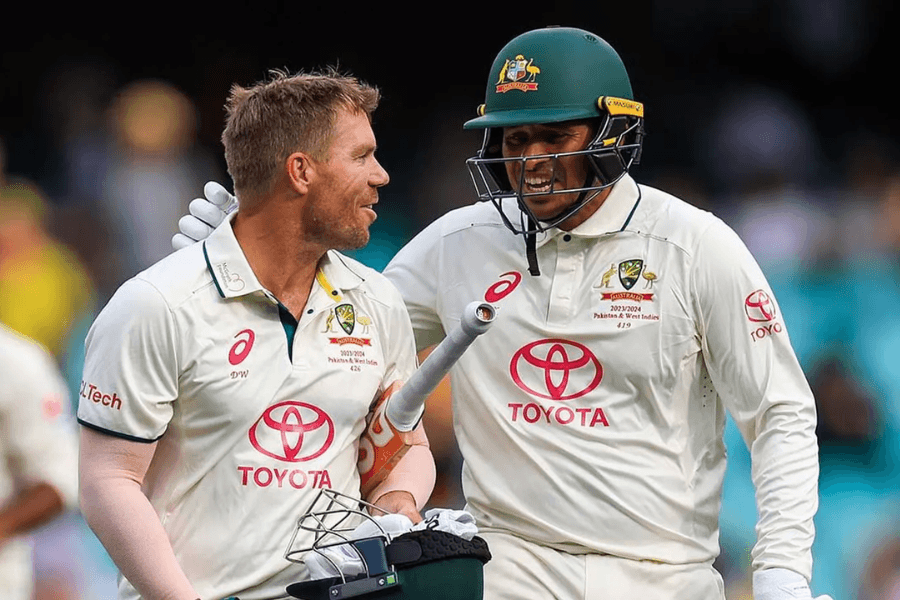
The same instinct has emerged in the response to Usman Khawaja’s recent comments about the 2018 Sandpapergate scandal. The stakes are obviously far lower, but the pattern is strikingly familiar. Rather than engaging with whether Khawaja’s claims are true, many critics have been fixated on why he chose to speak at all. The criticism is familiar: if Khawaja knew that responsibility for the ball-tampering scandal extended beyond Steve Smith, David Warner and Cameron Bancroft, why wait eight years to tell the public?
It’s not an entirely unfair question. Had Khawaja spoken publicly in South Africa in 2018, it would undoubtedly have been the braver course of action. But there’s little appreciation of what such bravery would actually have required, and it’s a decision few could attest to making if they were in Khawaja’s position.
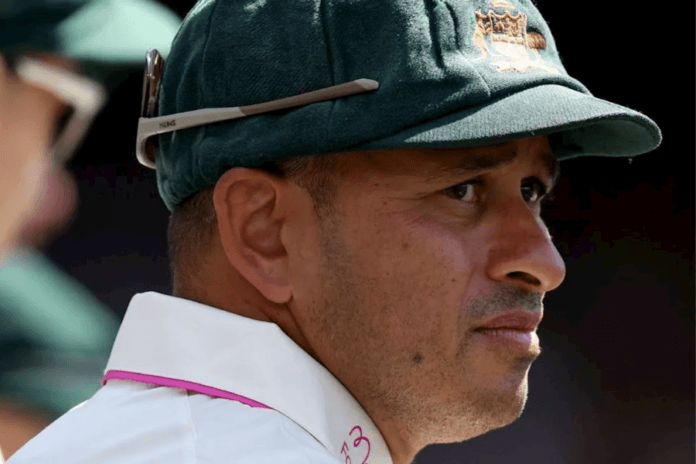
By 2018, Khawaja had spent almost a decade fighting for permanence within an Australian cricket system that never seemed entirely comfortable with him. Fairly or unfairly, Khawaja occupied a different space from many of his contemporaries. He was Muslim. He was brown. He was laconic and introspective in a sporting culture that rewarded conformity and brash confidence. He was already, in many respects, an outsider.
In that context, the suggestion that he should simply have detonated the biggest scandal in modern Australian cricket borders on fantasy. In the milieu of 2018, if Khawaja were to publicly challenge teammates, coaches and administrators, it would have almost certainly ended his international career – not just as a player but likely as a future coach and potentially commentator, too. What would that have meant for his future, and that of his family?
Khawaja’s account is that three players ended up bearing the entire burden for something that was known far more widely within the group. His argument is plainly not an attempt at self-exoneration – in fact it’s quite the opposite, in that he specifically implicates himself in the cover-up as well.
The most common accusation is that Khawaja has timed these revelations to drive sales of his autobiography. But the economics of publishing make this argument largely unpersuasive. Even the most generous estimates would put the incremental financial upside in tens of thousands of dollars, not millions. For a player of Khawaja’s profile, that’s a remarkably small reward for willingly becoming the most controversial figure in Australian cricket.
View this post on Instagram
Plus, if commercial gain were the primary objective, there were countless better opportunities. A revelation of this magnitude delivered during an Ashes series, the start of the Australian Test cricket summer, or the recent South African tour would have generated substantially more publicity than now.
The party facing the hardest questions today should not be Khawaja at all, but Cricket Australia. If Khawaja’s version of events is even broadly correct, then Australian cricket’s governing body either failed to uncover the full truth in 2018, or concluded that a narrower story was preferable to a more complicated one. Neither possibility reflects particularly well on Cricket Australia.
Perhaps the calculation within Australian cricket was that the full story would never emerge. Administrators and coaches would move on, players would retire, and public attention would drift elsewhere. By the time uncomfortable questions resurfaced, the people responsible for answering them would largely be gone.

Or, to take a more cynical view – perhaps in this case, Cricket Australia made the calculation that those who speak up would face the wrath of the public far more so than the institution responsible for the alleged cover-up.
If so, this would be the public relations masterstroke of the century.
Ultimately, the easiest position today is to criticise Khawaja for speaking too late or at all. The harder task is to ask why so many people seem more offended by a breach of silence than by the possibility that the organisation entrusted with Australia’s unofficial national sport has, for almost a decade, denied the public the full story of its biggest ever scandal, or why other players and officials have never spoken up.
While speaking in 2018 would undoubtedly have required greater courage, that should not obscure the courage required to speak now. The reality is that it is easy to demand moral heroism from other people. It becomes considerably harder when the consequences belong exclusively to you.
Read more: Khawaja stands tall in the Long Room: A lesson for people of colour