


Diwali across faiths
Some memories never grow old. They remain quietly tucked away in the corners of our hearts, waiting for a familiar fragrance, a familiar sound, or a familiar festival to bring them back to life.
For me, Diwali is one such memory.
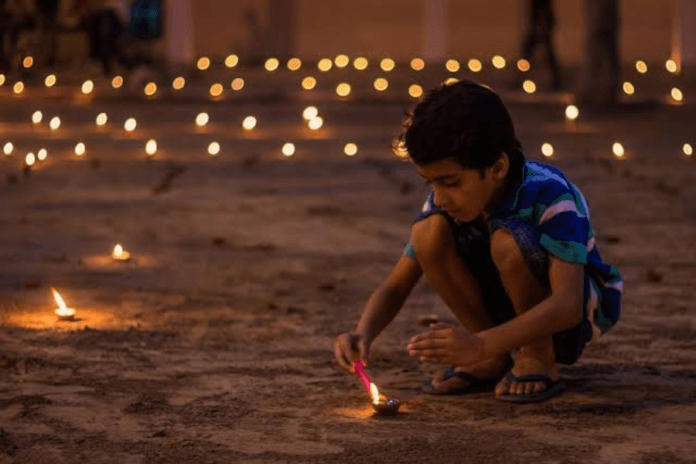
Every year, when the first diya is lit and its little flame begins to dance in the evening breeze, I am transported to my childhood. I can almost smell the fresh earth of newly made clay toys, taste the sweetness of sugar batasha and see the warm glow of earthen lamps illuminating every doorstep.
I can still hear my grandmother, my beloved Dadi, saying something that has stayed with me all my life: “Diwali is not truly celebrated until every home on the street is lit with diyas.”
As a child, I did not fully understand the depth of her words. Today, I do.
For her, Diwali was never just about decorating our own home or lighting lamps in our courtyard. It was about sharing happiness, spreading light and making sure that no neighbour was left behind. It was a festival of the heart, where the happiness of others mattered as much as our own.
Diwali across faiths
The magic of Dhanteras Diwali across faiths
I remember waking up early on Dhanteras, the first day of the Diwali festivities, with an excitement that was impossible to contain.
The local bazaar had a magic of its own. Shops were decorated, colourful stalls lined the streets, and the air was filled with the sounds of bargaining, laughter and festive greetings.
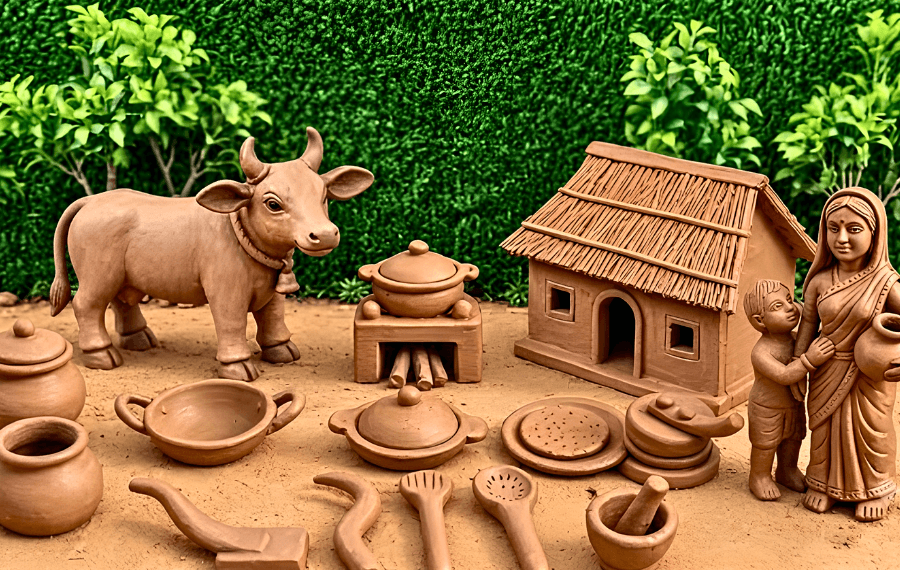
But what fascinated me most were the little clay toys, the mitti ke khilone.
There were clay horses, elephants, birds, tiny kitchen sets and countless other creations, each painted in bright colours. Nearby, baskets were filled with kheel, sugar batasha and colourful sugar toys. I would walk from one stall to another, carefully examining every little treasure before making my choices. For me, buying these toys was not an ordinary shopping experience. It was an adventure.
I would proudly bring my collection home, arranging the toys as though I had discovered something extraordinary. They were my prized possessions, and I guarded them with all the seriousness a child could manage.
Of course, those toys were never meant to last forever.
A horse would lose a leg, an elephant might lose its trunk, the bright colours would slowly fade, and some toys would disappear during the usual chaos of childhood play.
Yet, strangely, none of that mattered. Diwali across faiths
The toys were temporary, but the happiness they brought was permanent.
When Diwali and Eid shared the same streets: Diwali across faiths
I grew up in a small town where Diwali and Eid were not separated by religious boundaries. They were occasions for everyone to come together.
We never needed to ask who celebrated which festival. We simply knew that happiness was meant to be shared.
During Diwali, sweets travelled from one household to another. During Eid, the aroma of delicious food and the warmth of greetings filled the neighbourhood. Children played together, families visited one another, and friendships crossed every boundary.
There was something beautifully natural about it all.
Nobody made a special effort to demonstrate harmony. It was simply the way we lived.
We understood friendship before we understood differences. We learnt the meaning of sharing before anyone explained the meaning of tolerance.
Looking back, I realise that those ordinary moments were perhaps the greatest lessons of my childhood.
What remains when the clay breaks
Today, when I look back, I often wonder what happened to those little clay toys.
Most of them must have broken, disappeared or returned to the earth from which they were made. But the memories they created – and indeed, the dreams – are still very much alive.
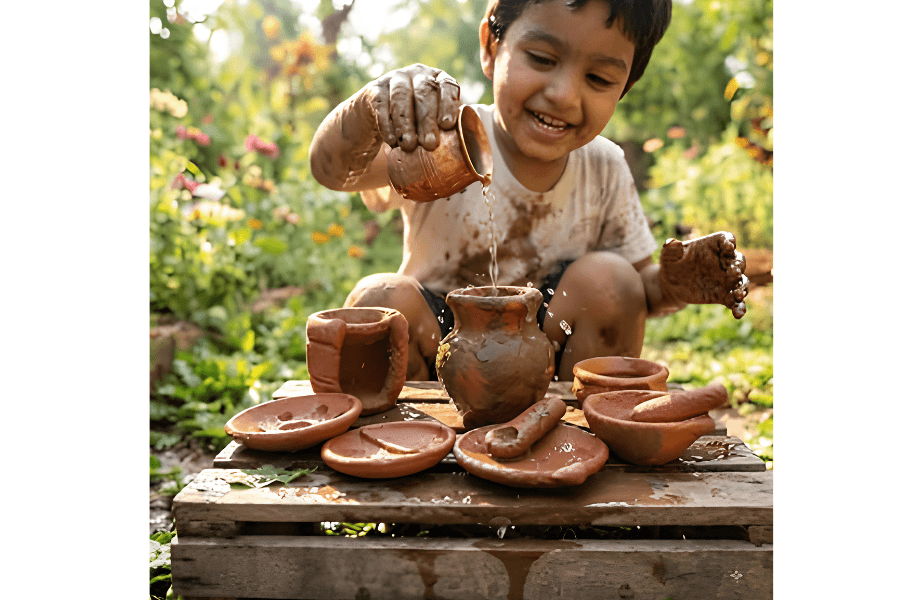
Because memories may be made of earth, but love is made to last forever.
The memories return each year with that first Diwali diya. They come alive in the laughter of children exploring colourful market stalls. They remind me of my Dadi’s gentle words and the warmth of neighbours who never considered one another strangers.
Perhaps that is the real beauty of our festivals. Diwali across faiths
They are not merely about rituals, decorations, gifts or celebrations. They are about the human connections we create, the kindness we share and the memories we leave behind.
A little clay toy may break. A diya may eventually burn out. Decorations may be packed away, and celebrations may come to an end.
But the love, affection and togetherness associated with those moments remain with us.
And perhaps, in today’s world, we need to remember this simple lesson more than ever.
My Dadi was right. A festival is never complete if someone around us is left in darkness. Diwali across faiths
Let us light our homes, but also brighten someone else’s life. Let us celebrate our traditions, but also respect those of others. And let us never forget that humanity is the thread that connects us all.
Wishing everyone a very Happy Diwali
May the light of every diya bring peace, happiness, prosperity and harmony into every home. Diwali across faiths
READ ALSO: A Multifaith Holi celebration