


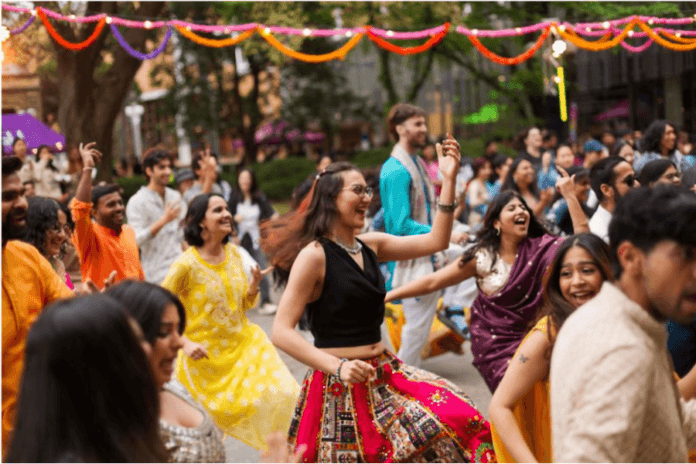
It’s Choti Diwali. You wake to the smell of agarbathi accompanied by the sound of an aarti from your neighbours house. You watch your step as you get out of bed, so as to not trample the diyas that adorn the house. And then you’re awake, suddenly remembering you’re on the other side of the world. The air is beautiful and weather pleasant, but you miss the hustle and bustle of the festive season, of Diwali and that agarbathi back home. Diwali may be different this year and not quite what you’re used to, but that doesn’t mean it will be any less enjoyable. international students diwali
View this post on Instagram
International and domestic students used to celebrating Diwali in India may miss the rituals and events they’re used to, being in a different part of the world. Packing up your entire life into a thirty-kilogram suitcase is always difficult, and somehow feels twice as real when it’s the height of the festive season in India. The hue of yellow all over the country, the musk of sweets mixed in with the cool air, and the voice of your grandmother greeting the neighbours as they wrap up their Diwali cleaning, all feels like a dream.
Yet, miles away, you realise you’re standing in a different kind of dream. Australia is known to cherish a culturally and linguistically diverse population. Universities and “melas” organised by local councils and associations help legitimise Diwali celebrations, fostering belonging within all who celebrate the festival. The community events span all over Sydney and Melbourne, including night markets in Rockdale, street festivals in Harris Park, Federation Square and Docklands.
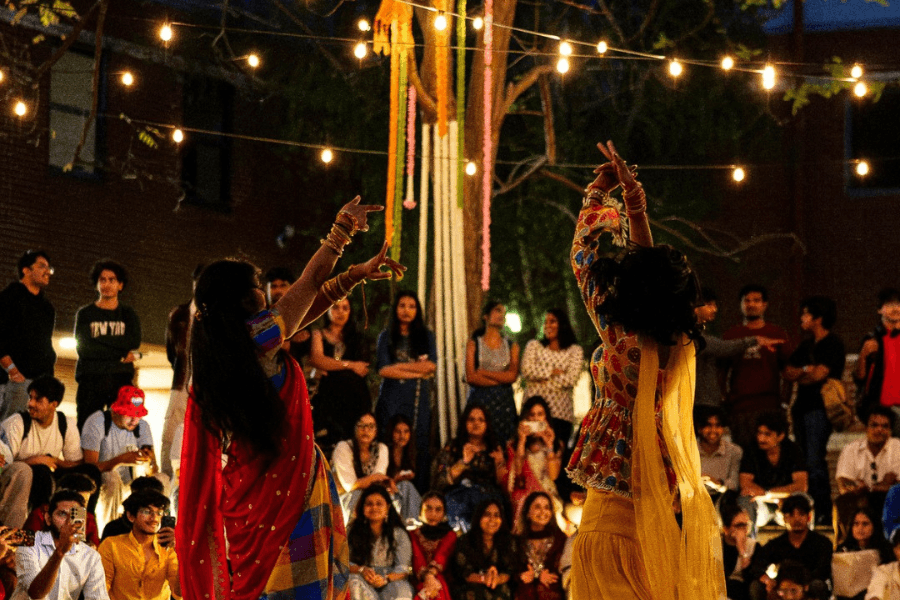
Universities are not left behind, creating a space for all kinds of celebration. This year the University of Melbourne’s Parkville Campus and The University of Sydney will also host major Diwali events for students, the latter holding a ‘Diwali Ball’. Even campuses as far out as the University of Newcastle or Deakin University in Waurn Ponds are holding major celebrations, showing just how far, and far away, Diwali has come. “I have three Diwali events lined up in November,” an international student studying at the University of Sydney tells us. “It was hard initially, but I really feel like I have a community here in Sydney that I can enjoy these festivals with.”
Surrounded by the sound of jhumkas clinking and merry laughter, you realise it isn’t a dream this time. On the other side of the world, Diwali looks a little different, yet feels like home.
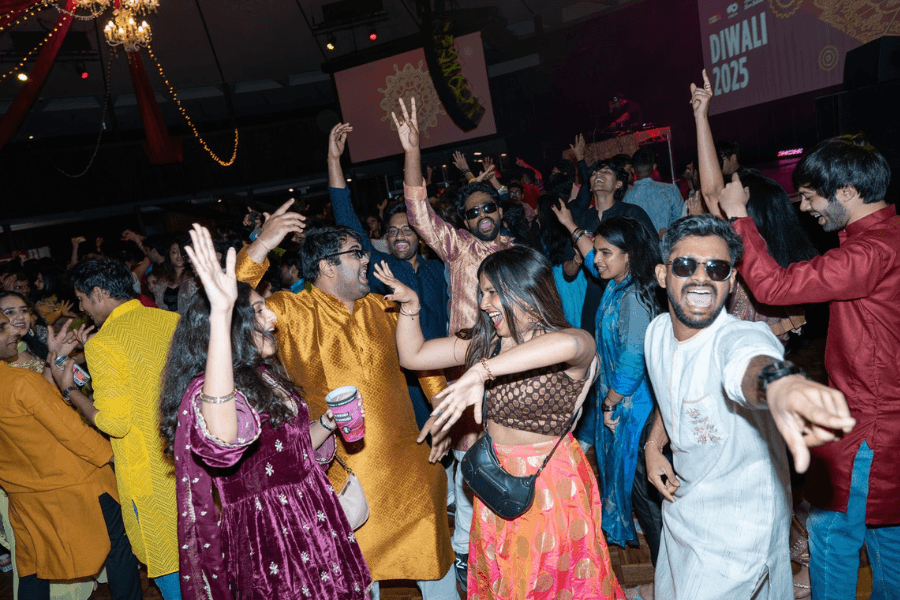
Another important aspect of Diwali is spending it surrounded by your loved ones. Studying overseas can make it difficult to be with family; add in a timezone, and it gets even harder. Finding time to keep in touch with relatives during the festive season is important. Even pictures from parents, siblings and friends throughout the day can build warmth and connection, but studying overseas means the friends we make during college become our family. Having friends to go to events with, or even to organise gatherings with, matters more than ever during this time. It may feel odd to send your best friend a calendar invite just to speak to her, but our ways of communicating change with our circumstances! You now have different stories, ways of celebrating and experiences to share.
Especially as students, finding the time to attend multiple events can become difficult. Some prefer to keep the spirit alive by doing smaller, more personal things. Wearing traditional attire to university and work, like a kurti or jhumkas and eating sweets that taste like home. Decorating houses for Diwali with yellow lights and electric diyas as well as visiting temples was also discussed with excitement. These smaller traditions help build feelings of connection and belonging.
View this post on Instagram
Diwali is the festival of lights and the triumph of good over evil. It’s never been about the place, but about the people, the love and the spirit. While it is undeniable people living overseas will miss India at the peak of its festive season, these little practices and community support allow us to bring a piece of our celebration to the other side of the world.
READ MORE: Doing friendship right: An international student’s dilemma