


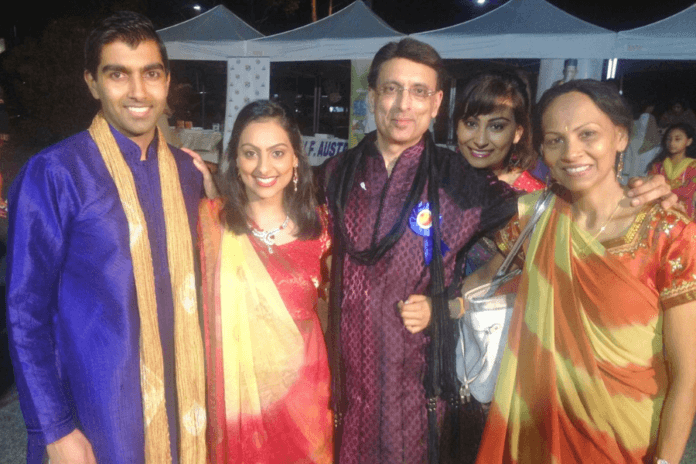
Garba with family dance
Last weekend, I watched my children dance Garba.
Familiar music filled the air, bright colours and shimmering fabrics swirled across the dance floor, and hundreds of people moved together in loose concentric circles. My kids were caught up in it all, dancing and laughing as they tried to follow the steps. And, as happens every year now, I found myself watching them and thinking about my dad.
He would have loved this.
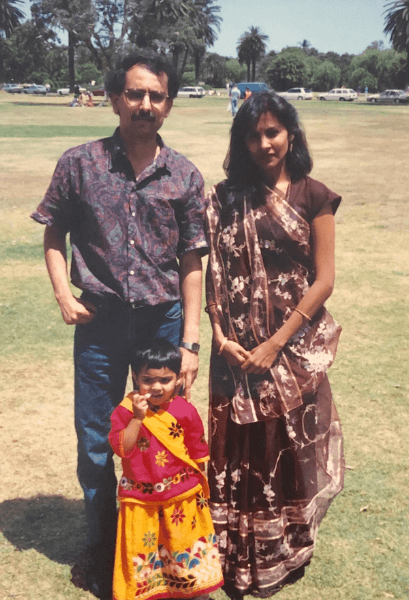
Growing up, Garba was one of the highlights of our family calendar. My parents loved it. They were often among the first people on the dance floor and the last ones standing. Dad would shamelessly brag about having more stamina than people half his age.
I’m not sure I ever saw him more joyful or more full of life.
My parents’ love of Garba rubbed off on my sister and me. Every year during Navratri, we would join hundreds, sometimes thousands, of other Garba enthusiasts. Even here in Australia, halfway across the world from Gujarat, where my family comes from, we went all out. It was one of my favourite times of the year.
Then Dad died.
My experience of Garba was so inextricably linked with him that it felt as though some of its magic had disappeared with him. It felt wrong to dance and have fun when he no longer could. The thought of being somewhere he should have been, feeling his absence in every song, every dance, every familiar ritual, was too painful.
So I stopped going.
It was my children who eventually brought me back.
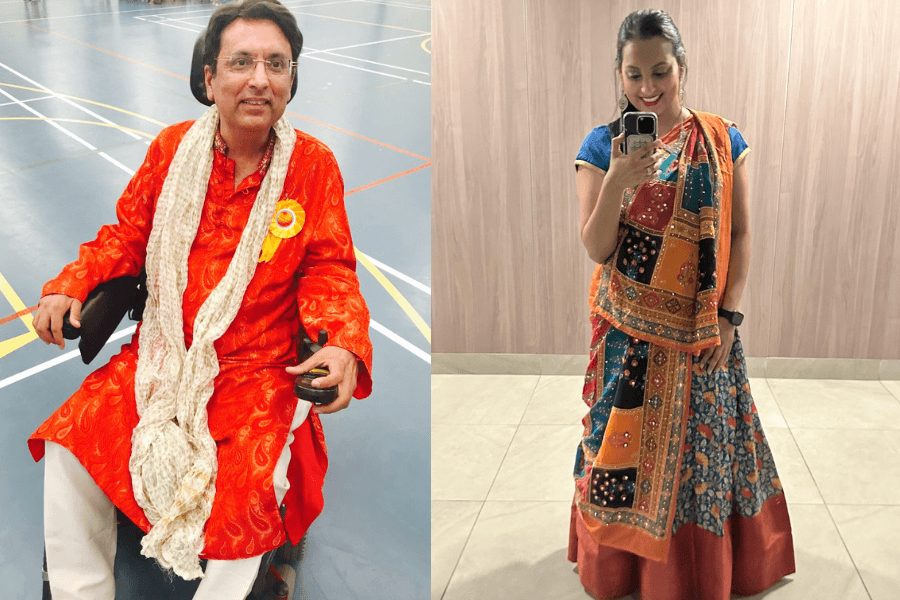
As they grew older, I became conscious of their relationship with their Indian heritage, and my role in shaping it.
I was born and raised in Australia, and I know the balancing act that can come with growing up between cultures. Australia has always been home. But inside our home was another world too: Gujarati food, Bollywood movies, family traditions and celebrations. I loved that world, but I was also conscious of the ways it made me different. There were times I downplayed my Indian background because I wanted to fit in.
I don’t want that for my children.
But as another generation removed from India, their connection to that part of themselves won’t happen automatically. We have to nurture it.
So I wanted to take them to Garba. I wanted them to dress up, hear the music and try to learn the steps. I wanted them to experience the food, the noise, the colour and the feeling of being part of something bigger than themselves.
And over time, I realised Garba was giving them something else too: a connection to my dad.
My eldest was six months old when Dad died. My younger two never met him. They know him through us. Through photographs and videos and the stories we tell them. Sometimes I worry about what version of him they’re piecing together from those fragments.
Dad spent his final years living with motor neurone disease. My children know their Dada was sick. They know he is someone their mum misses terribly.
But I don’t want that to be all they know of him.
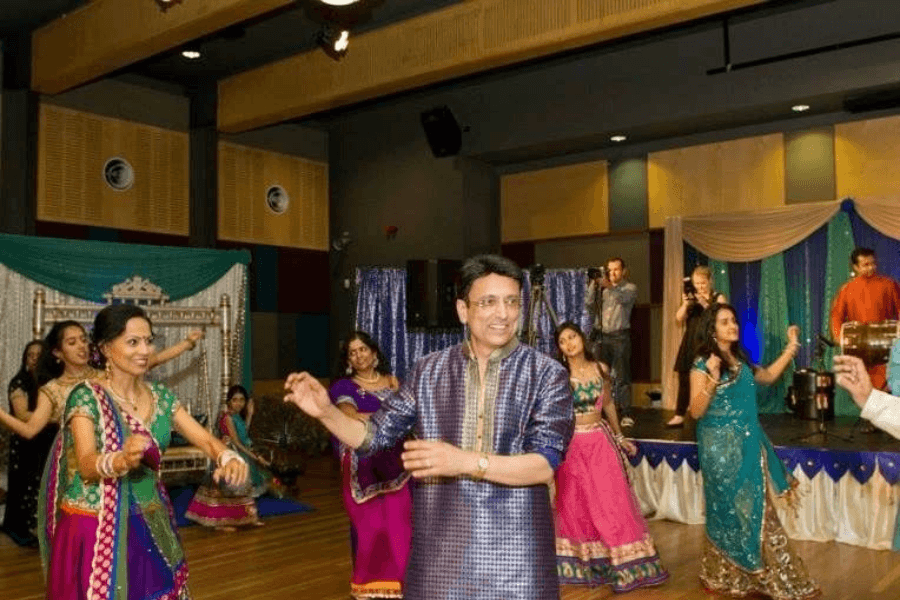
I want them to know the Dad I knew before he got sick. The one who loved a party. Who danced for hours. Who was endlessly social and full of energy.
Taking them to Garba gives me a way to introduce them to that version of him. I can point to the dance floor and say, “Dada loved this.”
And suddenly he is a little less abstract.
He becomes not only the grandfather they know through illness and loss, but a person who once stood in a room like this one, doing exactly what they are doing now.
For a long time, I avoided Garba because I thought returning would mean confronting everything that was missing.
I hadn’t realised it could also be a way of keeping something alive.
When my parents raised my sister and me in Australia, this was one of the traditions they gave us. Something from their childhoods, their culture and their home that became part of ours.
Now I get to give it to my children.
I know it won’t mean the same thing to them as it did to me. They’re growing up in a different generation, in a different Australia. Their relationship with their Indian heritage will be their own.
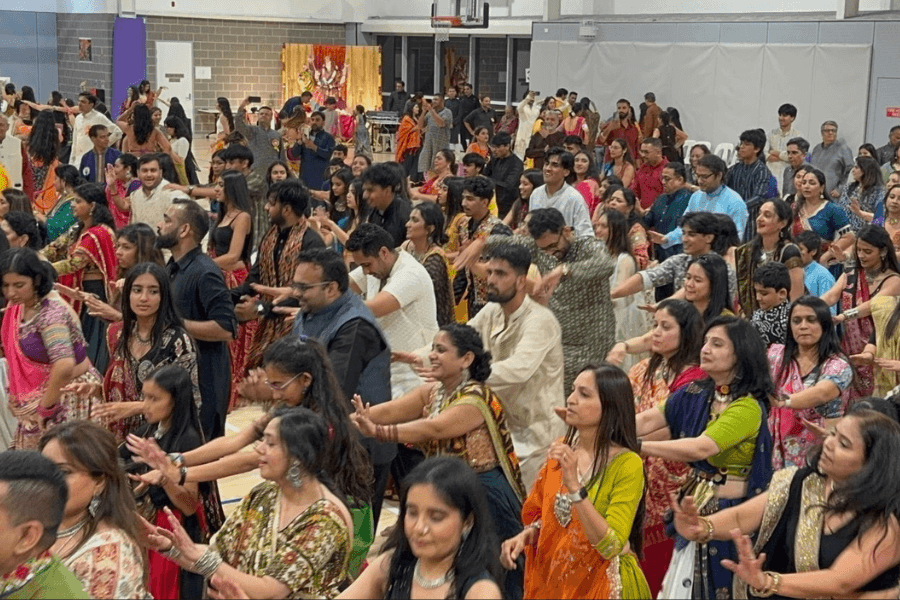
But perhaps that’s how traditions survive. By being carried forward and made meaningful again by the people who inherit them.
That doesn’t mean going back to Garba has stopped hurting. There are moments when Dad’s absence hits me with surprising force. Each round we dance, each diya we light, each arti we sing, I keep thinking: he should be here.
But somewhere along the way, Garba has become joyful again. Not in the uncomplicated way it once was, but in a new way that makes room for both his absence and his memory.
Last weekend, as I watched my children dance among the crowd, I thought about how far this tradition had travelled. From India to Australia. From my parents to my sister and me. And now to the next generation.
I used to think taking my children to Garba was about making sure they didn’t lose a piece of where they came from.
Now I realise it’s also a way of showing them who they come from.
READ ALSO: In the mood for dandiya? Here’s where to head this Navratri