


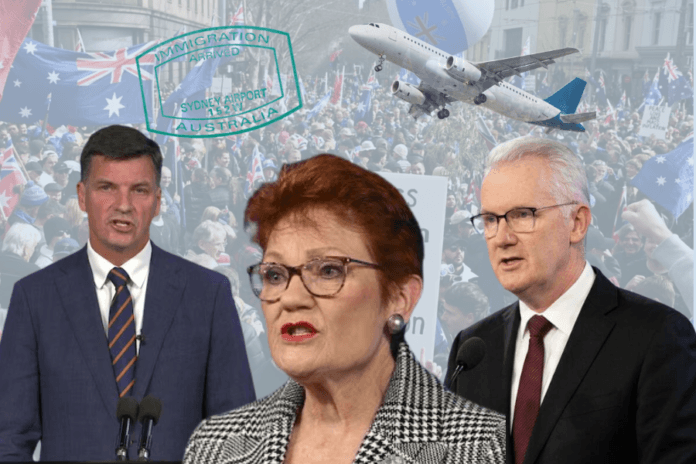

There is a worrying mood taking hold in Australia: not simply concern about migration, housing or the cost of living, but a growing sense that the country is heading in the wrong direction and that “foreigners” are somehow to blame. migration debate
Australians are entitled to ask whether migration levels are sustainable, infrastructure has kept pace and housing is affordable. These are legitimate questions. But when anxiety about Australia’s future becomes anxiety about the people who came here to build it, we should all be concerned.
One Nation has understood something the major parties have been slow to grasp: fear is politically powerful when people lose confidence in the future.
Its proposed 750,000 cut in migration over three years, including major reductions in international students and zero family visas for skilled migrants, turns economic anxiety into a simple proposition: housing is expensive, services are stretched, therefore there are too many people. Reduce migration and life will get better.
Except the real world is considerably more complicated.
migration debate
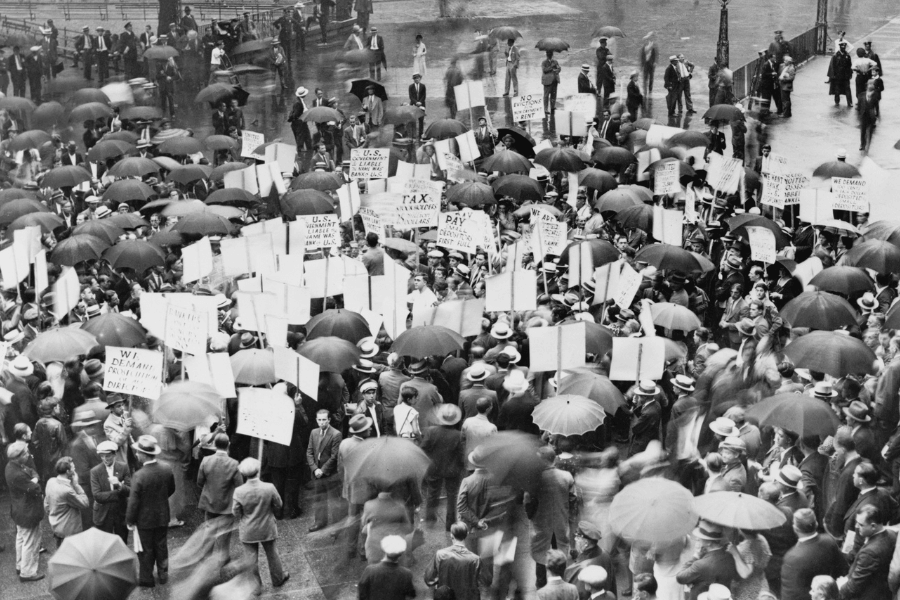
History offers a warning. During the Great Depression, prolonged economic deterioration did more than empty pockets; it eroded confidence in political institutions and created fertile ground for extremist movements. Research across 28 countries has found a link between longer-term economic decline and support for right-wing anti-system parties.
Germany is the most chilling example. The Depression did not inevitably produce Hitler, but economic insecurity helped fracture confidence in the existing political order. Australia is obviously not Weimar Germany. But the lesson remains: when people lose confidence in the future, politics can become a search for someone to blame rather than an argument about what to build.
And here lies the failure of Australia’s major parties. Labor and the Coalition have spent enormous political energy arguing about the number of migrants while offering far too little of the bigger story: what can Australia become?
One Nation has filled that vacuum with a politics of reduction. The major parties need to fill it with a politics of possibility.
The opportunities are enormous. Australia has some of the world’s largest deposits of critical minerals needed for batteries, defence and clean-energy technologies. The clean-energy transition offers opportunities in renewable energy, batteries and green manufacturing, creating jobs from regional Australia to our major cities. migration debate
Beyond resources lies the digital economy: artificial intelligence, cybersecurity, advanced services, health and aged care – industries where Australia’s skills, institutions and multicultural connections can become competitive advantages.
These are not opportunities for migrants instead of Australians. They are opportunities for Australians – including migrants and their children – to build together.
This is where the political conversation needs to change.
One Nation has succeeded in making people look backwards: at numbers, borders, outsiders and what Australia supposedly cannot afford.
Labor and the Coalition need to make Australians look forward. Australia’s story has always been one of reinvention, with successive waves of newcomers part of that story.
The danger of pessimism is not simply that it makes us anxious, but that it can make us turn on each other. The antidote is not blind optimism, but a credible, ambitious vision of what Australia can become – and political leadership willing to make the case that the future is not a smaller Australia fighting over a shrinking pie.
It is about building a bigger pie. migration debate
READ ALSO: Student visa changes target ‘visa hopping’ and families