



Indian-Australian businesses
There is something quite familiar about the sight of an Indian family behind the counter of a small business. A neighbourhood grocer, a suburban restaurant, a convenience store or perhaps a café. These businesses have become part of the fabric of Australian life, but behind their shopfronts are often stories of migration, sacrifice, generational ambition and the determination to make a life in a new country.
My family is no exception.
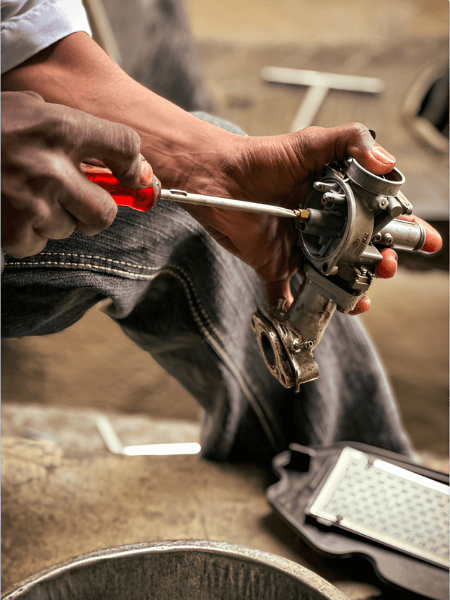
Perhaps entrepreneurship runs in my blood. My maternal grandfather, my nana, ran several mechanics’ garages in Fiji with his two brothers.
They ran a tight ship, eventually expanding their operations and establishing a reputation as successful entrepreneurs and respected members of Fiji’s Indian community.
That mercantile spirit evidently stuck. In 2009, my mum started her own mobile coffee business. This was my first taste of the business world, at the spritely age of 15.
Learning the ropes
I accompanied Mum on weekends, often travelling with her to events in far-flung places. Some were more pleasant than others, including a few where we weren’t exactly welcomed with open arms.
For the most part, though, we attracted plenty of attention. Mobile coffee vans were still a novelty, and Mum had the good commercial sense to invest just as Australia’s coffee culture was taking off.

The days were long, often involving conversations with hundreds of people. I was her “cashier” – although the actual term for someone who takes orders, fills cups with sugar and cocoa powder, and frantically dispenses the correct change is yet to be determined.
It was a nightmare for my introverted self, but looking back, a wonderful experience. Mum was in her element, handling hundreds of orders with remarkable speed and skill, crafting each coffee with care.
As a pimply 15-year-old, I hadn’t quite developed the insight to appreciate her abilities. I do now.
Finding our place in Penrith
After years on the road, we decided to put down firmer roots. Mum and I began looking for a brick-and-mortar upgrade. I was at university by then, and after some searching, we found a franchise willing to help us establish ourselves.
Their story was remarkably familiar: brothers who had started with a single coffee cart and grown it into a multi-site operation.
The paperwork was signed, and a few weeks later, we had a site. The suburb? South Penrith, in Sydney’s outer west.
I’d only ever seen Penrith on road signs and maps. I wondered what this unfamiliar place would have in store for us.
It was confronting to discover that people who looked like me made up less than one per cent of the suburb. I was nervous. I knew racism wasn’t an abstract concept, having accumulated a few figurative scars of my own.
Still, I believed we had to give it a go. We couldn’t write off an entire community before giving its people a chance. Everyone deserved a fair shake of the sauce bottle, as it were.
Our first visit to the site was interesting. We were among the only brown faces around, and plenty of onlookers were curious about the new café taking shape in the shopping centre. Mum even held a puja, attracting further attention. Was this a genius business move? I like to think so. The area was lacking an Indian restaurant at the time, and perhaps a few people assumed that was what was going into the space.
Either way, we opened to considerable fanfare. Indian-Australian businesses
More than just coffee
The first few weeks were a steep learning curve: new systems, new products, new customers and countless challenges to overcome.
The community, however, was brilliant. They didn’t just give us a chance; they embraced the business. Before long, customers became familiar faces, then friends, and eventually something closer to family.
Mum’s determination kept the place alive. It was an entrepreneurial spirit I recognised in many Indian Australian families: resourceful, committed and commercially switched on. It has almost become a stereotype that Indian families own some kind of commercial enterprise – grocer, jewellery store, restaurant or convenience shop.
A café was perhaps slightly outside that stereotype. And the Indian flavours we so adored took a few years to find their way onto the menu. Something about learning your customer base, I’m told.
But there is something worth recognising in these family businesses. For many Indian Australian families, entrepreneurship is about more than making a living. It carries the ambitions and sacrifices of previous generations, often beginning with very little and growing through sheer persistence. These businesses also become places of connection: familiar fixtures in local communities where relationships are built across cultural and generational divides.
At a time when migration, multiculturalism and the rising cost of doing business are once again prominent national conversations, it is worth looking beyond the shopfront. Behind many of these enterprises are families working long hours, taking considerable financial risks and trying to secure something better for the next generation. Their stories deserve to be part of the broader conversation about what Indian Australians contribute to this country, and what it means to build a life here.
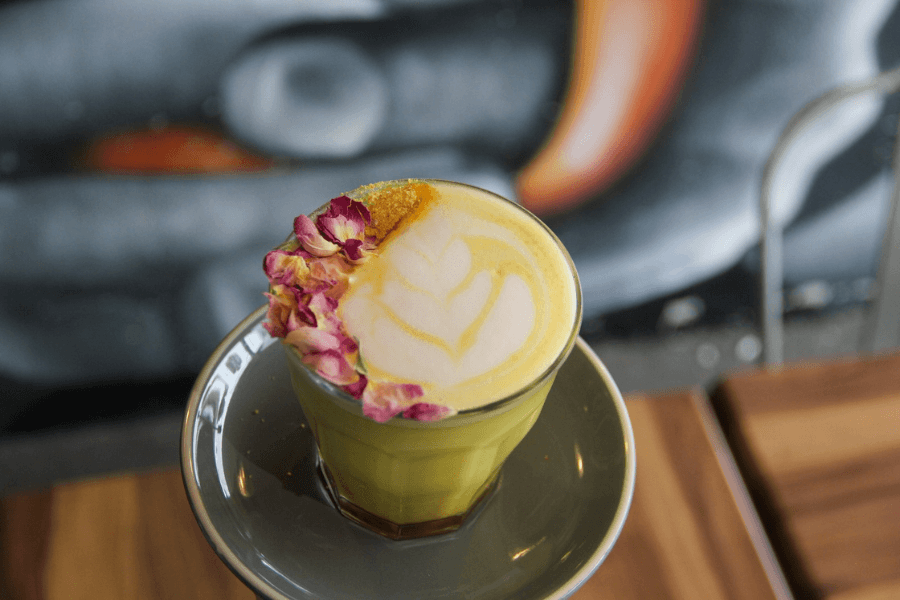
Our story in Penrith was never just about coffee. It was about an Indian Australian family finding its feet in an unfamiliar community, earning its trust and eventually becoming part of its fabric.
Mum carried her family’s entrepreneurial spirit into Australia. And in the process, she taught me that a business can be about much more than what you sell: it can be about the community you build, the roots you put down and the place you eventually call home. Indian-Australian businesses
READ ALSO: Unfairly targeted. Undeniably vital.