



On the first Tuesday of November, Australia does something few countries manage. It stops. Offices empty into pubs, bowling clubs fill by lunchtime, and for a little over three minutes the entire country watches a horse race at Flemington.
The Melbourne Cup, first run in 1861, is about as Australian as a ritual gets. Yet tucked in it is the term that every Indian will recognise. In clubrooms from Hobart to Darwin, the most popular way to have a stake in the race is not a betting app. It is a “Calcutta”.
Few punters stop to ask where the name comes from. For the Indian diaspora, the answer is a reminder that the threads between Kolkata and Melbourne run older and deeper than flight routes and student visas.
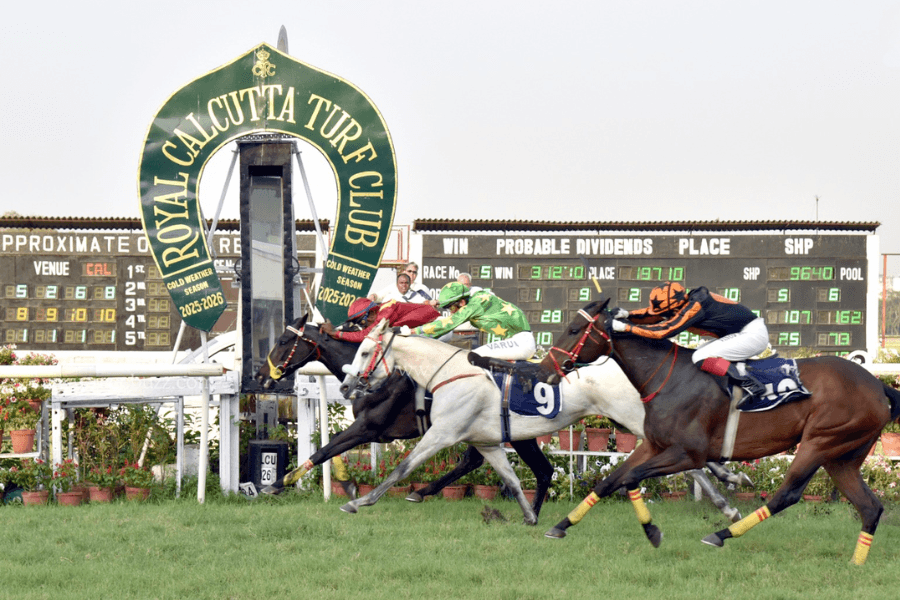
A sweep with a twist
A Calcutta is part lottery, part auction. It begins like any office sweep. Participants draw tickets, and each ticket corresponds to one of the horses in the Cup field.
Then the fun starts. Once the draw is done, an auctioneer, usually a club regular with a loud voice, puts each horse up for bidding. Anyone in the room can bid. The person who drew a fancied runner may sell it, or may outbid everyone to keep it.
Every dollar raised at auction goes into a single pool. After the race, that pool is paid out to whoever holds the winner and the placegetters. In a busy club, it can add up to a tidy sum.

Rules vary from room to room. Some clubs pay only the winner, while others share the pot among the top three or four, sometimes with a token prize for the horse that runs last. Many keep a small slice of the pool to cover costs or support a local cause.
The appeal is social as much as financial. The auction turns a three-minute race into an afternoon of banter, bluffing and rivalry between tables. A quiet bowling club on any other Tuesday becomes a trading floor.
Born on the banks of the Hooghly
The name is no accident. The format traces back to the Calcutta sweepstakes of the British colonial era, when the city was the capital of British India and the empire’s busiest port in the East.
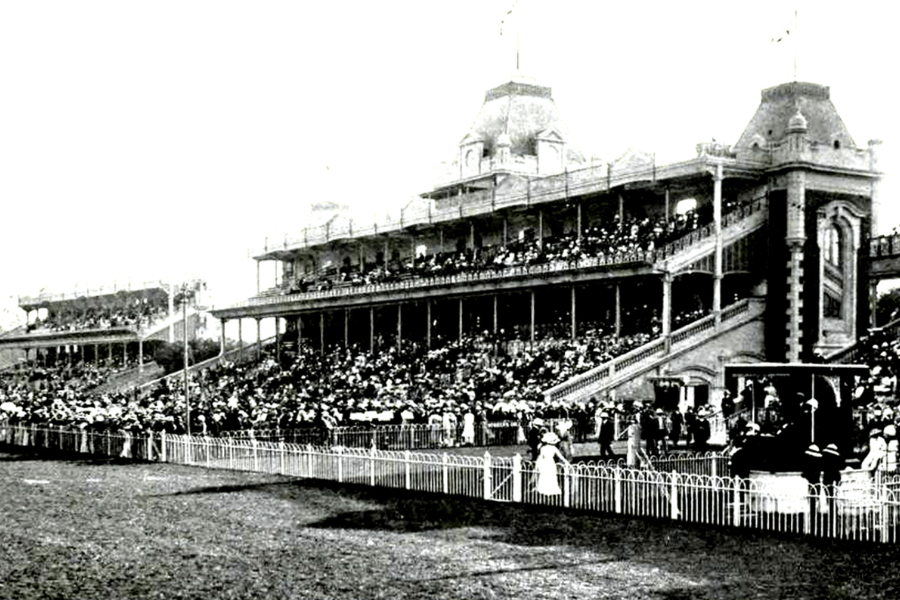
Horse racing was central to the social life of colonial Calcutta. The Maidan’s racecourse drew officials, merchants and planters, and sweepstakes on the big races became a fixture of the city’s club circuit. Over time the Calcutta sweep grew famous well beyond India, and its name travelled with the format.
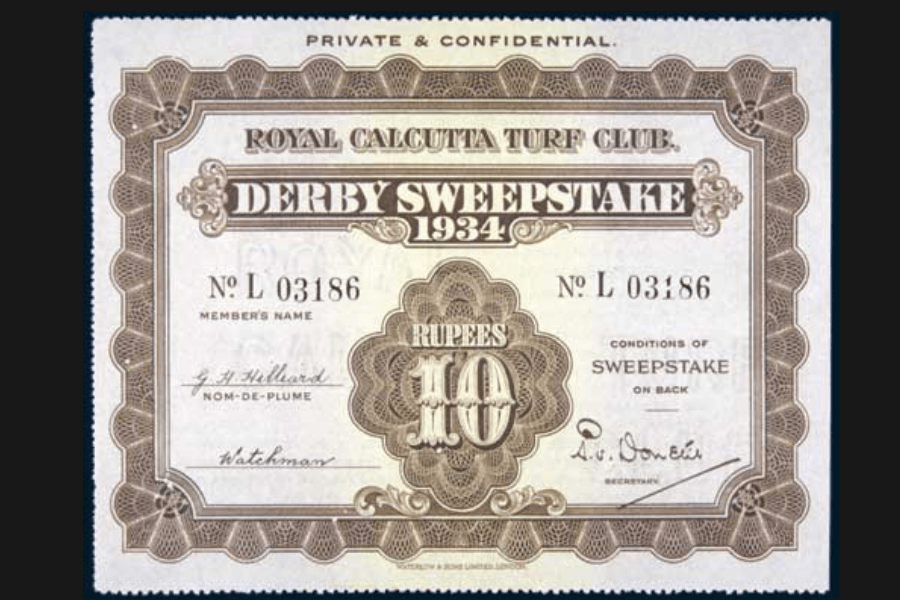
At the centre of it was the Royal Calcutta Turf Club, which ran racing on the Maidan and became one of the grand institutions of the Raj. Its sweeps drew entries from across the empire, and at their height the prize pools were said to rival any in the world. A ticket was a prized possession, passed from hand to hand in clubs, offices and regimental messes.
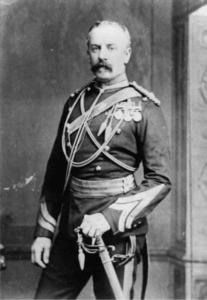
One name keeps turning up in that story: Lord William Beresford. An Irish cavalry officer and Victoria Cross recipient, he spent years in India as military secretary to successive Viceroys, and was a dominant figure on the Calcutta turf. Some accounts credit him with starting the club’s Derby draw as a private sweepstake in 1887, the seed of the famous Calcutta Sweep.
It was a natural export. The same networks of administrators, soldiers, traders and their families moved constantly between India and the Australian colonies. They carried tea, cricket and, it seems, a fondness for a well-run auction on a horse race. Somewhere along the way, the word stopped referring to a city and became a noun in Australian English.
Two clubs, one handshake
The sweep is not the only Calcutta connection that survives in Melbourne. There is a quieter one on Collins Street.
The Melbourne Club, one of Australia’s oldest gentlemen’s clubs, holds a formal reciprocal arrangement with the Bengal Club in Kolkata. Both are heritage institutions from the 19th century, with leather armchairs, long dining rooms and dress codes to match.

Under the arrangement, members of one club can use the facilities of the other when travelling. A Bengal Club member in Melbourne for Cup week can sign in at the Melbourne Club, and a Melbourne member visiting Kolkata can find a familiar kind of welcome on Russell Street.
It is a small, formal courtesy. But it reflects a relationship between two cities that was once part of the same imperial web, and that has outlasted it.
A term worth claiming
The format has since travelled far beyond the racecourse. In the United States, a “Calcutta” is a familiar fixture at golf member-guest tournaments, fishing competitions and college basketball pools, where players or teams go under the hammer just as horses do in Australia.

This year’s Cup runs on Tuesday 3 November. Across the country, Indian-Australians will be in those clubrooms too: as members, as bar staff, as first-timers dragged along by colleagues, as the person who unexpectedly holds the winning ticket.
For many in the diaspora, the Melbourne Cup can feel like a tradition to be learned, a piece of Australian culture to study and absorb. The Calcutta suggests it is also partly theirs. A word from Bengal sits right at the heart of the race that stops a nation.
The history behind it is not simple. It belongs to an empire that shaped both countries, and not always kindly. But the word has outlived that world and taken on a life of its own, carried by ordinary people from one coast to another.
So when the auctioneer calls for bids this year, there is a small piece of India in the room. It is worth knowing, and worth telling the table about between bids.
Read more: My first Melbourne Cup: I’m doing Just Fine, thank you