


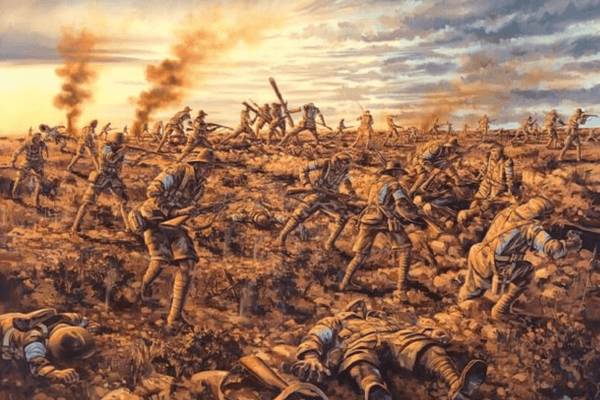

The ANZAC legend
I was well versed in the legend of the ANZACs by the time I was ten years old:
They were ordinary men who went and did extraordinary things. These soldiers didn’t know what they were in for when they signed up, but despite the terror they faced, they helped each other out.
But knowing is very different from empathising. The ANZAC legend might be known to primary school kids all across Australia and New Zealand, but peek into a school hall during ANZAC Day and you’ll see many children nodding off.
I was one of those children many years ago. One thing that was clear to me growing up was that the ANZAC legend may make its presence clear through monuments and murals, but they’re only truly alive in people’s minds. And how was I, someone who couldn’t relate to the community I had to somehow assimilate into, supposed to “remember” their relatives?
I almost felt vengeful. If you don’t understand my community, why should I revere the heroes in your history?
Justified I thought. Until, in Year 7 English, I read the lines “They leave their trenches, going over the top / While time ticks blank and busy on their wrists / And hope, with furtive eyes and grappling fists / Flounders in mud. O Jesu, make it stop!”
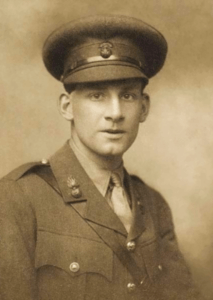
Something about that last line, written by English war poet Siegfried Sassoon, made me shiver. It painted the picture of a soldier who was not just afraid but who was helpless. In my mind, the war was no longer just an event, but an unrelenting wave of horror that swallowed people whole regardless of their skill with a gun.
Ironically, it was as though the ANZAC legend itself, which honours sacrifice and places soldiers on a pedestal, actually obscures the heroes we are supposed to remember. But somehow this English poet was able to, in just a few words, transport me to the trenches.
Sassoon stands out for his singular ability to paint a landscape of terror through his poetry. In his poem ‘Ancient History,’ he depicts the internal conflict of warfare writing, ‘Afraid to fight; was murder more disgrace? …/‘God always hated Cain’ … Whereas in ‘Counter-Attack,’ he writes about a soldier ‘Sick for escape,—loathing the strangled horror / And butchered, frantic gestures of the dead.’
He depicts men who are not just changed, but utterly transformed by circumstance. His lines go for the jugular and vibrate with rage. The persona behind most of his poems is not just a victim, but a man resentful of the position he’s in.
After reading these poems, it became obvious that the story of the ANZACs didn’t just belong to those who had lived in Australia much longer than I had. To actively engage with these stories is to acknowledge our shared humanity. Which nowadays, is no easy task.
As I’ve gotten older, I’ve realised that empathy is no longer just something that you by chance feel, but something that must be cultivated.
In a world where we now have direct access to the horrors of war, the responsibility falls on us to reject indifference – whether that’s by listening to poetry (Palestinian author and journalist Plestia Alaqad might just be the voice of our times), or by following online one of the many journalists who have willingly placed themselves on the frontlines of conflict.
By making a genuine effort to remember the ANZACs, we also remember the horrors of war and, most importantly, why we said “never again,” in the first place.