



Featuring over 130 films in 36 languages, this year’s Indian Film Festival of Melbourne is sure to have something for your taste.
From retrospectives to Rani Mukerji, IFFM is returning once more from the 13th to the 26th of August for its 17th iteration. Here’s what you can look forward to at the southern hemisphere’s biggest celebration of subcontinental cinema.

Stars on show
This year’s headline guest is none other than Rani Mukerjee – in her third Festival appearance – who will receive an Honorary Doctorate from La Trobe University on 14 August, honouring her outstanding contribution to Indian cinema, global cultural influence, and longstanding humanitarian work.

Tickets for the event have sold out faster than your neighbourhood jalebi cart, but if you missed out, you could catch her at the Awards Night on 13 August, dressed to the nines!
Among other guests this year, we’re expecting to see Pankaj Tripathi, Vikram Phadnis, Tannishtha Mukjherjee, and Saiyami Kher among others, as well as Festival regulars Rajeev Masand and Malaika Arora.

For former Sydney by Kaizad Gustaad (of Bombay Boys and Boom fame) who moved to Mumbai to make films, it will be a kind of homecoming.
Other guests you might catch are 12th Fail director Vidhu Vinod Chopra, Kantara star Rishab Shetty, and director Anmol Sidhu, whose latest picture Kikkran De Phull (Flowers of Acacia) is a Best Indie Film nominee.
All your favourite IFFM elements are of course back again, including the hugely popular dance competition, and the celebrity chats.
Indigenous cultures shine at IFFM 2026
Amongst the fan favourites like the celebrity flag hoisting on 15 August, this year’s festival has over 130 films, in 36 languages. There are also several films which are entirely without dialogue, and Japanese in Hidden Sun, the follow up from Girls Will Be Girls director Shuchi Talati.
In particular, the festival offers a chance to hear many rare and endangered Indian Indigenous languages, including Santhali, a tribal language from the North-East, which will feature in Amar Comrade (My Comrade), and Tenyidie, spoken by Naga tribes in Ade (On a Sunday).
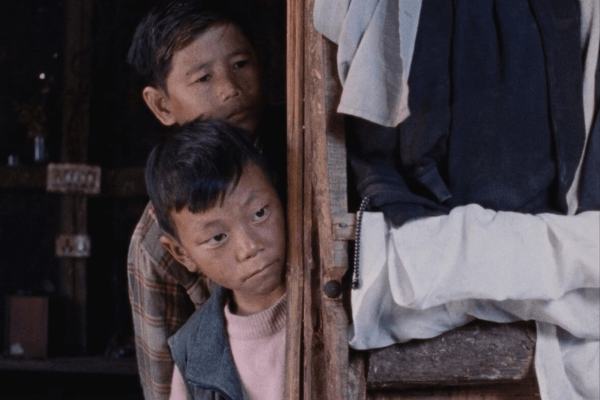
Also among the 14 films from the North-East this year is Dear Awa which will have its international premiere at IFFM: it features Singpho, another tribal language from Arunachal Pradesh and Assam which is spoken by an estimated 7300 people worldwide. Friend of the Fireflies features Gondi, a central-Indian language classified as vulnerable, while Kangbo Aloti (The Lost Path) is the first film made in the North-East’s Karbi language.

IFFM will also premiere Thanthapperu (Life of a Phallus), the first film ever made in the Cholanaikka language spoken by a critically-endangered cave dwelling community from the Western Ghats.
If you’re excited about Adivasi voices in cinema, check out Changing the Narrative: Indian-Australian Indigenous Films, a panel discussion with filmmakers Theja Rio and Tiriki Onus.
Beyond the Mumbai film industry, the program spans a remarkably broad range: 45 films in the ‘Beyond Bollywood’ section, 10 documentaries, 56 short films, six films from the global Indian diaspora, three retrospectives, four restored classics, and 11 titles from across South Asia.
The line-up also includes films in the ‘Smash the Patriarchy’ theme, children’s films and animations.
IFFM 2026 will host 12 world premieres, while 92 films will screen in Australia for the first time.
Indian Indie gems at IFFM 2026
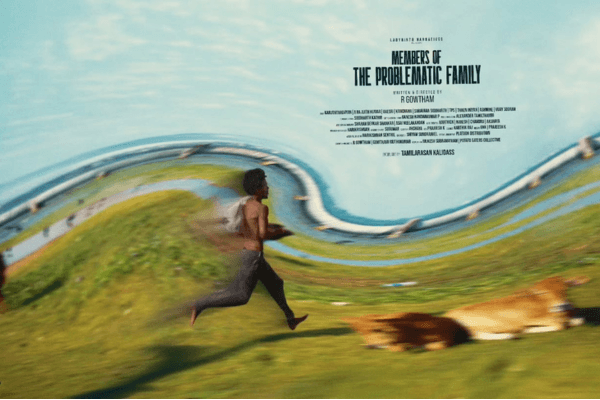
Members of the Problematic Family will open the festival, the first Tamil language feature to draw the festival curtains in recent memory. It was the first debut feature from a Tamil Nadu director to be selected for the Berlin International Film Festival 2026, and director R. Gowtham has also received a nomination at IFFM.
An unmissable film is Bayaan (Testimony), which has done the rounds at Toronto, Busan and Cairo International Film Festivals, and will have its Australian premiere at IFFM. This courageous feature from director Bikas Ranjan Mishra interrogates the culture of corruption and complicity within cults, as a rookie detective investigates sexual abuse in small-town Rajasthan.
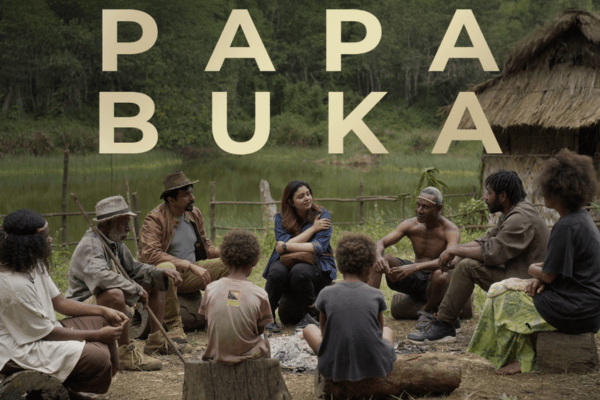
Other program highlights include Papa Buka, Papua New Guinea’s first ever Oscars entry, which retraces the forgotten steps of Indian soldiers who fought during World War II. There’s also Lala and Poppy, a heartwarming celebration of trans love, Rima Das’ latest feature Not a Hero, and Mayilaa (Peahen), highlighting the quiet strength of rural women.
Closing Night will see a double indie feature; silent short film Graveyard Shift by Benu Bindra, followed by Tannishtha Chatterjee’s Full Plate, an ode to food and the challenges of being Muslim in India.
Classic cinema
Get ready to gaze longingly at your partner and sing along to Meri Sapno Ki Rani and Roop Tera Mastana, as Aradhana will be screening at this year’s IFFM, almost 60 years after its release! There’s also a tribute to the late and great Asha Bhosle with a screening of Umrao Jaan, so bring some tissues along.
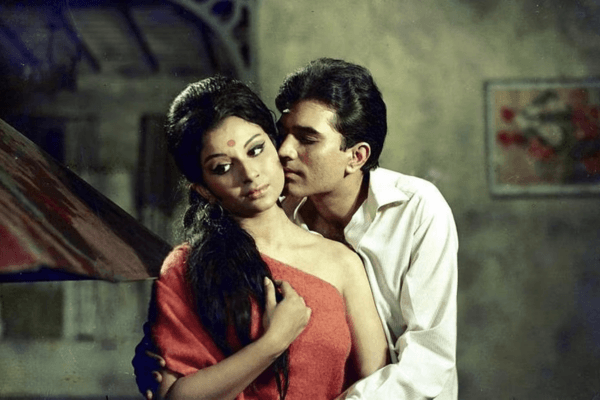
Other oldie goldies include Bengali epic Saptapadi, and Dimple Kapadia starrer Rudaali, both programmed to celebrate 100 years of Uttam Kumar and Mahasweti Devi respectively.
IFFM 2026: And the award goes to…
Speaking of awards, leading the nominations in the NAB Film Awards this year is Sitaare Zameen Par, netting Best Film and Best Director nominations – but lead Aamir Khan faces stiff competition in the Best Male Actor category from Ranveer Singh’s sensational turn in Dhurandhar.

Best Film nominations at 1FFM 2026 are Sitaare Zameen Par, Kantara: A Legend – Chapter 1, Saiyaara, Members of The Problematic Family, and Not A Hero.
Other Award categories include Best Director, Best Indie Film, Best Performance (Male and Female, Films and Series), Best Documentary Film, and Best Film from the Subcontinent.

“The nominations this year showcase the extraordinary depth, diversity, and dynamism of Indian storytelling, highlighting remarkable work from theatrical releases as well as the rapidly evolving OTT landscape,” Festival Director Mitu Bhowmick Lange said in a release.
What are you waiting for? Check out the IFFM 2026 website, including a full program of films and events.
READ ALSO: Looking back at IFFM 2025