

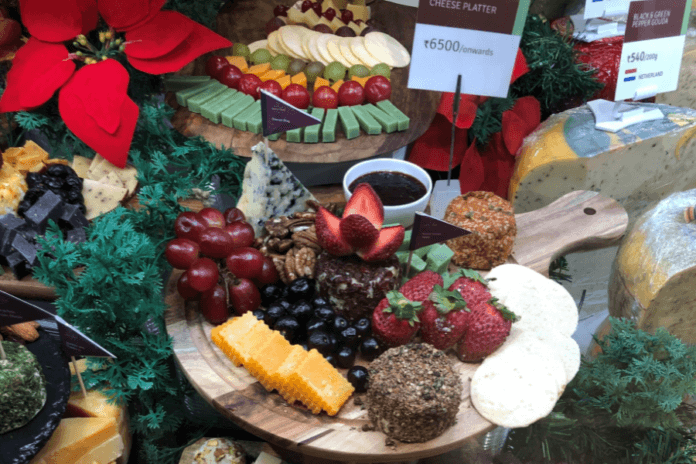

Indian cheeses
Eleftheria? In Greek, this word means ‘freedom’. Indian cheeses
But in Mumbai, two thousand miles from the Aegean, it’s the name of a company who’ve produced the first Indian cheese to win an international award – Eleftheria Brunost, a soft caramelised Norwegian style which took the gold medal at the 2021 Guild of Fine Foods (UK) World Cheese Awards.
Subsequent awards followed for their Goat’s Milk Feta and Tomme, a soft natural rind cheese, and this year, Eleftheria Gulmarg Brie won a World Cheese Championship gold medal in Brazil.
The number of artisan (small scale) cheesemakers in India has grown over the past decade, including Kodai Cheese (Kodaikanal), Begum Victoria (Bengaluru) and Pancal Dairy (Gujarat). Chennai based Käse has also been internationally lauded for its Swiss style cheese.
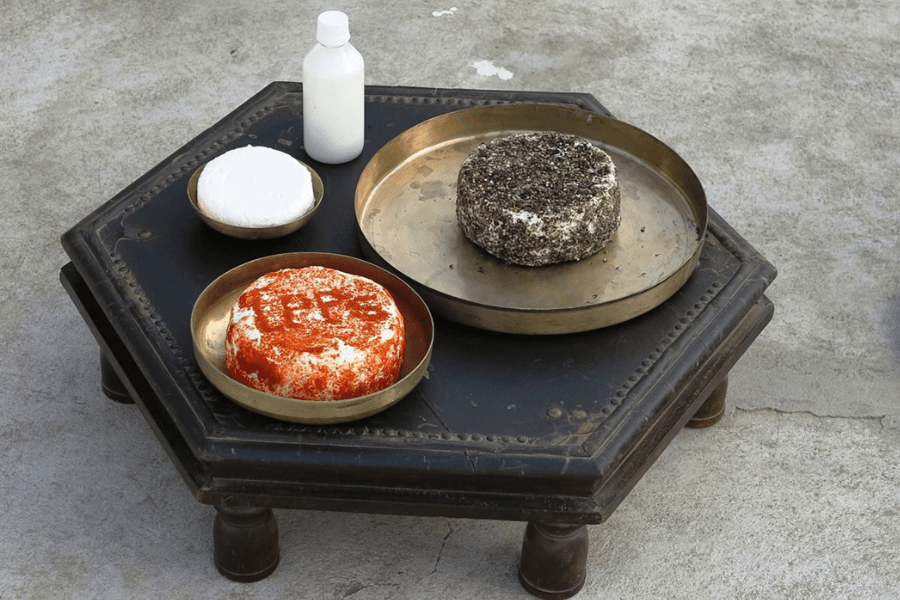
All use local milks —cow, sheep, goat and yak — to produce Brie, Belper Knolle, Gouda, Cheddar, Parmesan, Tomme, Brunost and Emmental. Kumbhalgarh micro-camel dairy in Rajasthan makes Feta and Halloumi from camel’s milk.
While all these cheese styles originate from Europe or the Mediterranean, Indian versions of these cheeses have unique taste characteristics as the milk used carries flavours of local fodder and breeds. Indian cheesemakers also avoid using animal rennet to curdle milk as this would render it unacceptable to the country’s vegetarian population.
Indian cuisine isn’t noted for much cheese besides paneer, which is probably why these cheesemakers mostly produce European styles. But I was surprised to find more indigenous cheeses existed on my travels!
In remote high altitude Spiti in Himachal Pradesh, I was served Churadis, boiled barley dumplings dressed in sugar and melted ghee, topped with shavings of Chhurpi, a pungent hard cheese, not dissimilar to Parmesan —an expectedly delicious combination.
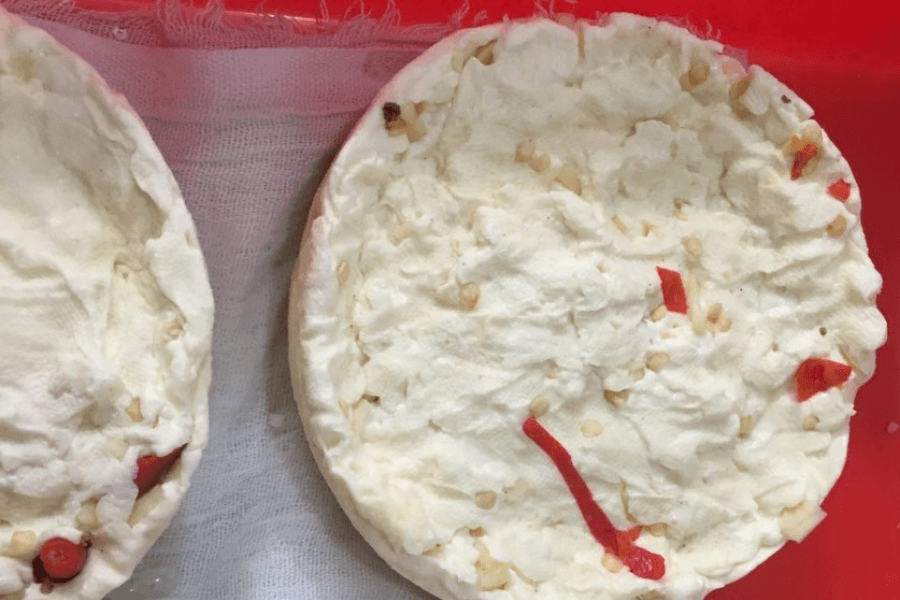
To make Chhurpi, buttermilk is curdled with whey, and the resulting curd then cooked over a low fire until it forms a stringy mass. This is then wrapped in cloth, pressed to remove residual water and hung to harden above the kitchen stove.
At a farm stay in Sikkim, I ate Ningro, soft Chhurpi cooked with fiddlehead ferns, onion, green chillies and local turmeric. It was somewhat like Ricotta in texture, with a mild tangy flavour. Soft Chhurpi is made by cooking buttermilk until it forms a soft mass, which is placed in muslin and hung up to drain.
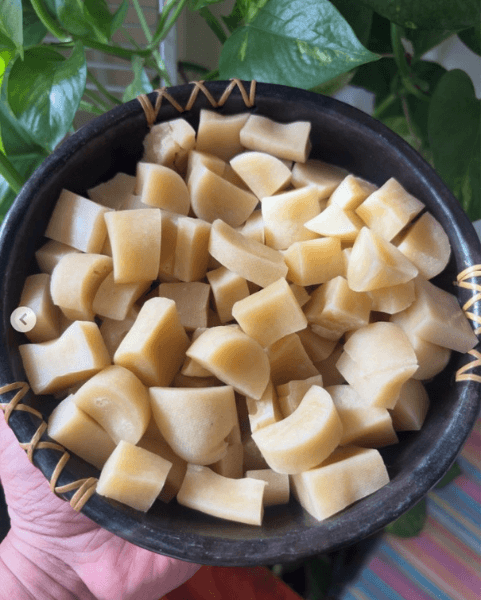
My enthusiastic appreciation of Ningro resulted in it appearing again for my breakfast, this time cooked with onion, red chilli and turmeric.
Chhurpi is an everyday food in homes across the trans-Himalayan region, from Himachal to Arunachal Pradesh. But this humble indigenous cheese has also made it out of the home, with Nordic Farms in Ladakh winning a gold medal at the 2026 World Cheese Championships for their soft Chhurpi.
In Jammu, there is Kalari, a full-fat milk stretched curd cheese originating with nomadic pastoralist communities in the region. Cooked in thick slices on a hot grill, it becomes gooey and stringy like Mozzarella. It’s often bought from street vendors wrapped in a kulcha, and definitely worthy of global acclaim.
Bandel and Kalimpong are Indian cheeses of European invention – these colonial origins added a ‘cosmopolitan’ allure and a high price, making them elite foods.
Bandel originated 500 years ago in a Portuguese trading settlement on the Hooghly River, where tropical conditions did not allow for a natural slow cure of the cheese. Instead, the cheese was quickly preserved with salt or smoke, producing a very hard product which requires soaking to soften it and remove the salt before eating.
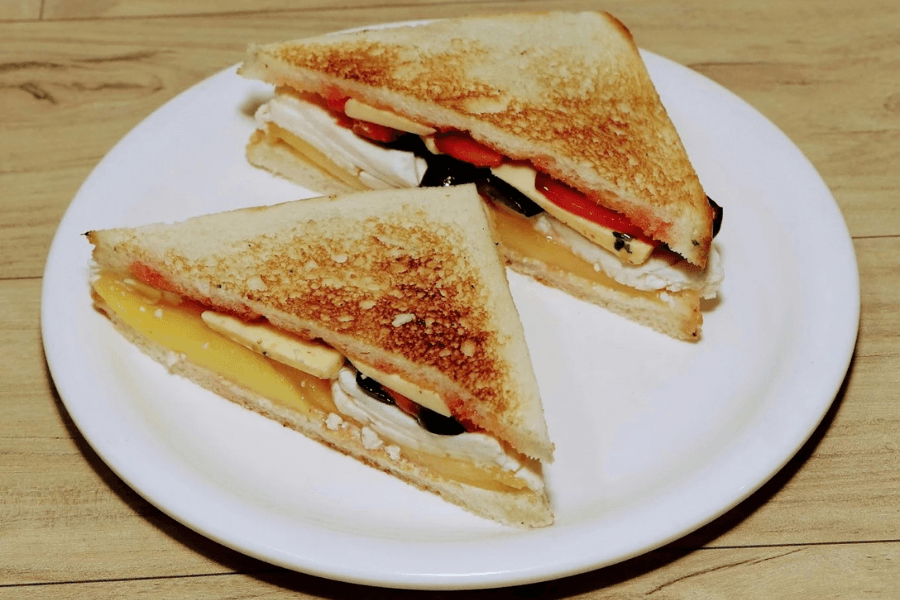
Famous’ Kalimpong cheese, a mild Gouda style, is named after the hill town in West Bengal where Swiss missionaries made the cheese in the nineteenth century. Both cheeses are still produced in the same regions, but most production is sent to metropolitan vendors such as Kolkata’s New Market; my Delhiite partner recalls Dr Choudhery’s Cheese Bazaar in Greater Kailash selling these cheeses when he was younger.
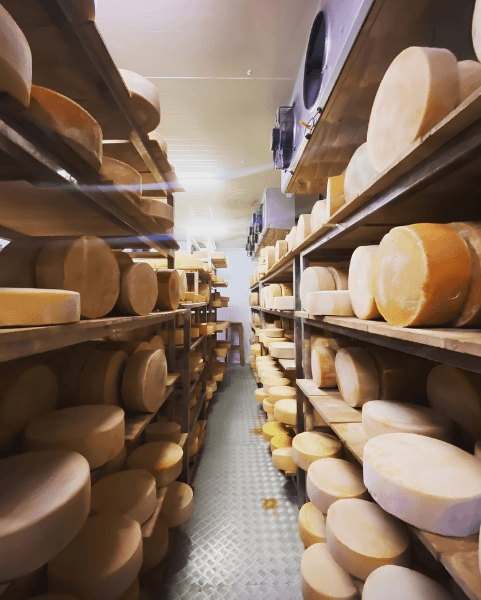
India is the world’s largest producer of fresh milk – but crafting it into cheese turns this milk into a high value product. The stronger tastes of hand-crafted European cheeses can be a bit unusual at first for the Indian palette, with most consumers having enjoyed mild processed Amul cheese for sixty years.
But cheese education is contributing to a burgeoning demand; in 2021, Käse collaborated with Indian winemaker Fratelli to develop a range of ‘Vineyard Inspired Cheese’ to pair with Fratelli’s wines.
When I visited Darima Farms, an artisanal cheesemaker in Uttarakhand, co-founder Arvind Chawla said consumer growth expectations for cheese are such that small producers are concerned they might not be able to access enough local milk to meet it!
As cheese platters become increasingly commonplace in Indian homes, demand may soon outpace what local producers can supply. Imported cheeses are well placed to fill that gap – and Australian cheesemakers will undoubtedly be watching this growing appetite with interest.
READ ALSO: From the cricket pitch to the vineyard