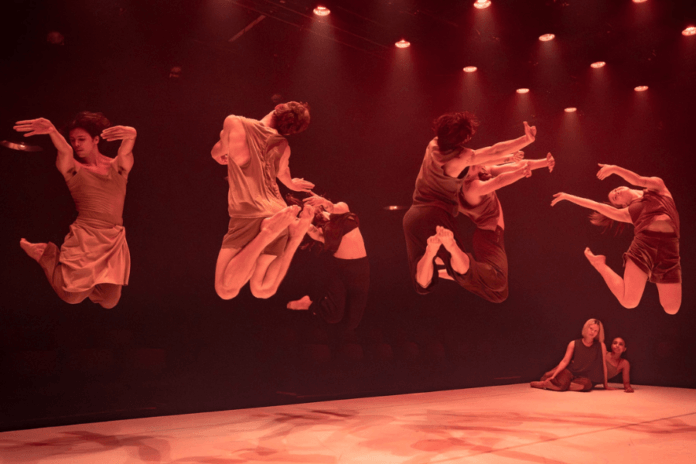

Raghav Handa’s ‘One Song’
Raghav Handa needs no introduction in the dance world. He has an impressive, evolving biography, with a highly acclaimed body of work showcased all over the world. He also holds the honour of being recognised for his role in strengthening the cross-cultural connections between India and Australia, being a highly esteemed mentor for emerging artists (Bangarra’s 2024 ‘Dance Clan’) and being Sydney Dance Company’s 2025 Artist in Residence.
Current has been created as a sizzling celebration of Sydney Dance Company’s 40 years of calling the Wharf home and a stellar showcase of the talent that Australian contemporary dance offers. Comprised of 4 separate pieces within a continuous 60-minute show, each piece holds onto the choreographer’s individuality, whilst collectively linking what ‘has been’ with what ‘is possible’ in the future of contemporary dance.
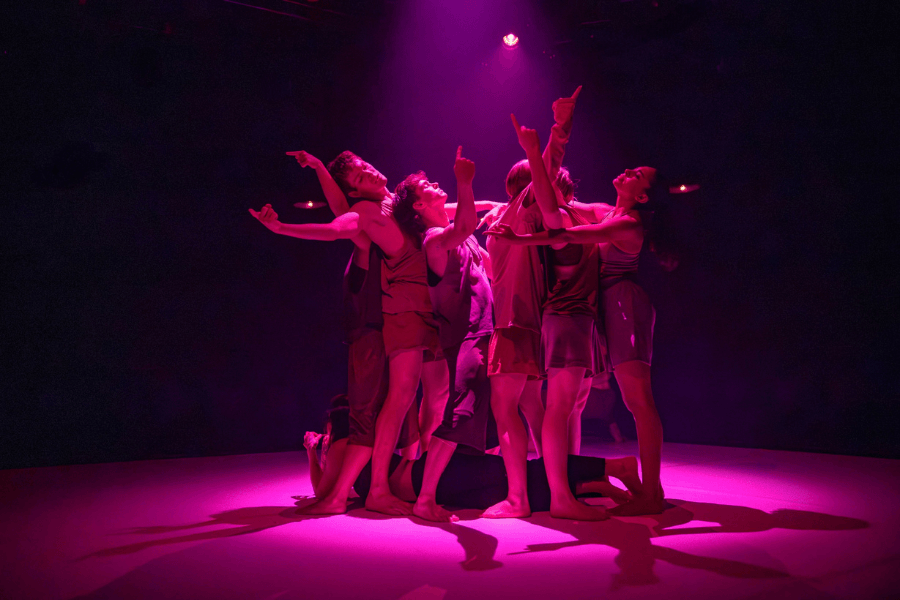
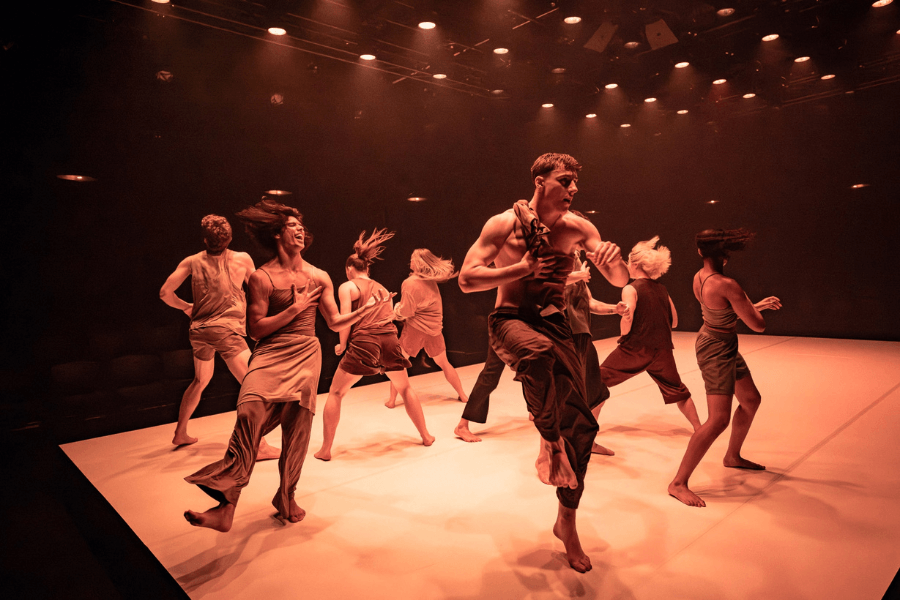
Raghav Handa’s One Song is the electrifying finale to Current. One Song takes its inspiration from the poem titled ‘An Ode to Sydney Dance’ by Vicki Van Hout. The poem evokes the pulse of Sydney, and Raghav channels this into 12 minutes of choreography that changed my outlook on contemporary dance forever. You could spend more than a few minutes online reading about this show, all its reviews and Raghav’s extensive biography. I want to use my words on One Song to share with you how this piece made me – and likely most of the audience – feel. I deliberately went into the show with zero context, wanting to form an organic impression of what I was about to see. An undercurrent of rhythm reverberated through us for the entire 60 minutes, at times imitating the lub-dub of heart sounds, synchronising everyone’s heartbeats.
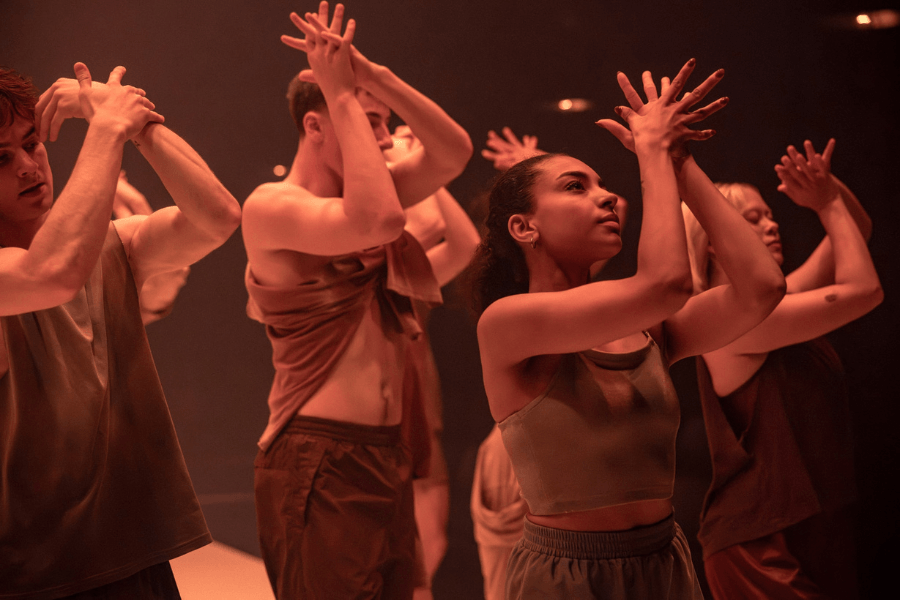
The audience sits on each edge of the rectangular stage, rows only a few deep, everyone only mere metres away from the sculpted dancers. Three pieces in, and the tension has built as we wait in darkness. One Song opens with a lone dancer, possibly in animal form, possibly deranged or eccentric? As more dancers join him, the physicality builds – there are complex rhythmic patterns which only a Kathak dancer can conjure up, juxtaposing the gritty movements with the softer, Sufi-like spins which allow time for an exhale. I hadn’t realised that I had been holding my breath.
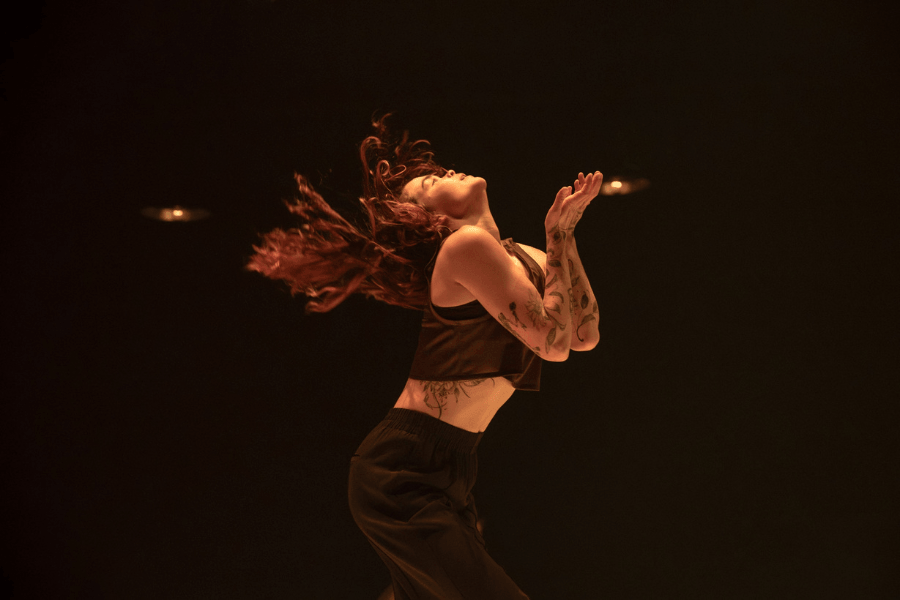
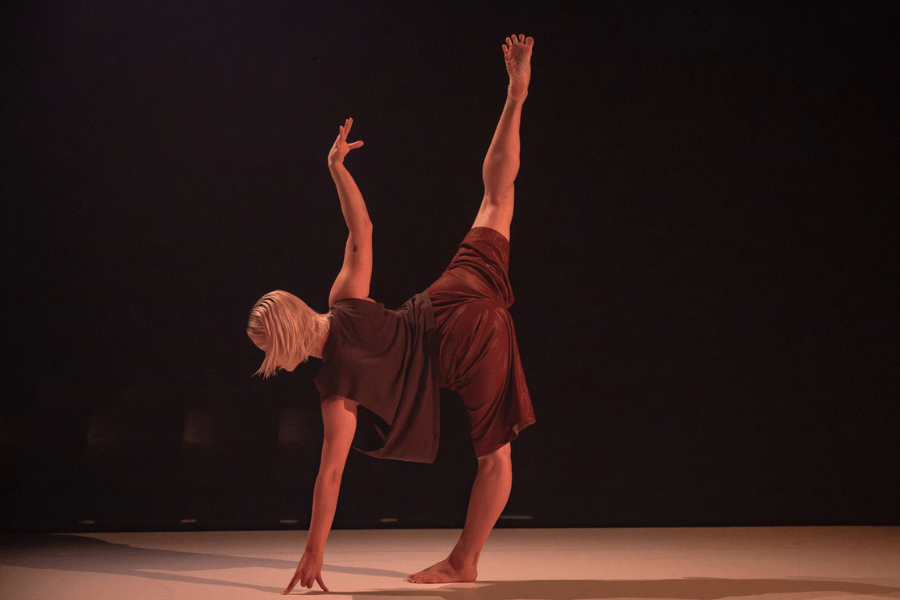
It all feels surreal – dancers clad in earth tones (very clever and nuanced costuming by Aleisa Jelbart) move in what can only be described as joyfully controlled chaos. The music (composer James Peter Brown) is frenzied, tribal, traditional, modern and evocative – all at once. The story is whatever you want it to be – I was transported to a busy bazaar, whilst my friend felt it more reminiscent of a corroboree.
The curated Q & A afterwards allowed a privileged insight into each of the choreographers’ thought processes and intent; however, my one- on-one conversation with Raghav afterwards was more enlightening. Raghav is immediately warm and friendly, but on finding out that I was a dancer, his excitement was palpable, and he earnestly asked me, ‘You could feel the Kathak, couldn’t you? You could feel the joy?’
It was a core moment of connection between what he wanted to showcase and what one small member of the audience (me) felt, and it highlighted exactly why we need prominent South Asian representation – especially in the contemporary arts space. Current has come to an end of its season at the Sydney Dance Company, but Raghav has more to share with us before 2026 ends, and – as a contemporary dance convert – I cannot wait to see what future magic he creates.
Read more: The pieces finally come together