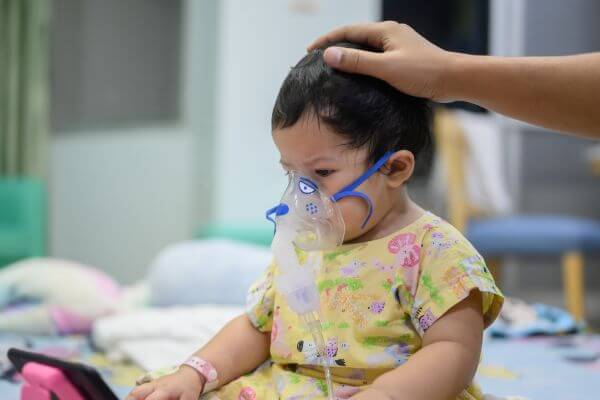

It was a quiet Tuesday morning when Aarav’s mother brought him in.
He was just six weeks old.
She thought it was a simple cold. His older sibling had been unwell a few days earlier, a runny nose, a cough, nothing unusual.
But overnight, something had changed.
Aarav was feeding differently. Slower. Pausing more. He seemed more tired than usual. Not distressed, just not himself.
When I examined him, his breathing was faster than it should have been.
Within hours, he was in the hospital.
The diagnosis was respiratory syncytial virus, or RSV.
Later that day, his parents asked, “We didn’t realise a cold could do this.”
This is not a rare story.
As we head into winter, these presentations become increasingly common.
What exactly is RSV?
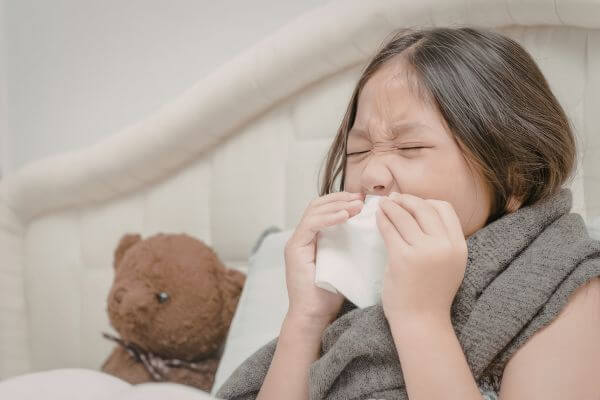
RSV is one of the most common respiratory viruses in early childhood. Almost all children will catch it at least once in the first two years of life. For many, it behaves like a cold. But in young babies, it can affect the small airways in the lungs and lead to bronchiolitis, making breathing and feeding much harder.
Information for families is available through the Sydney Children’s Hospitals Network: Here
How RSV shows up in real life
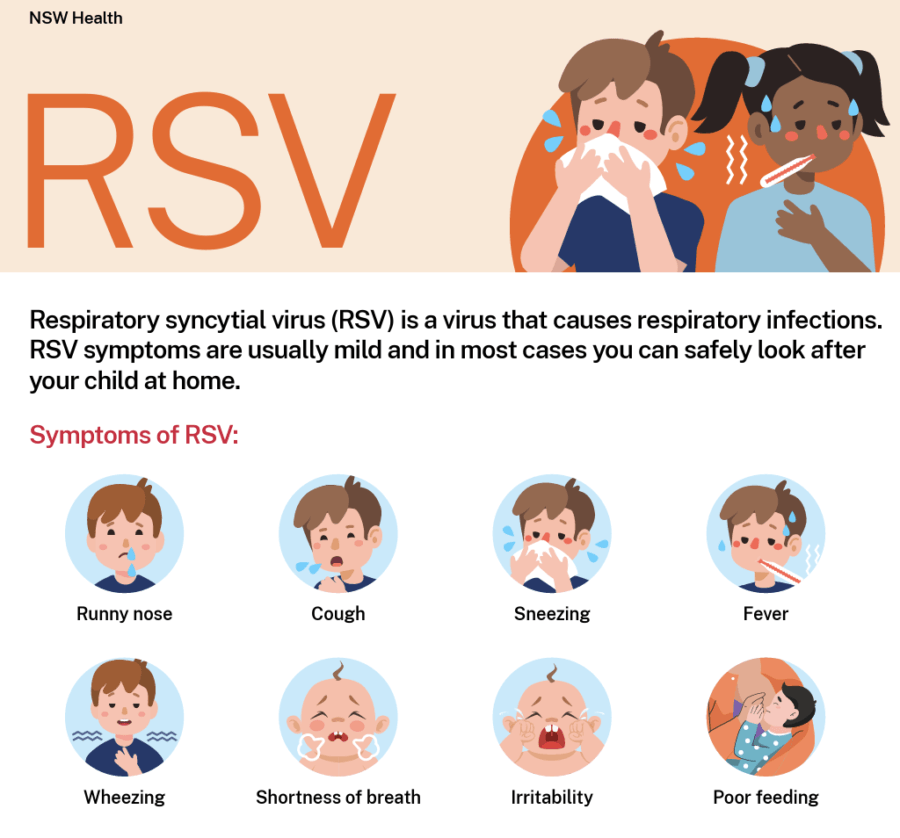
In the clinic, RSV rarely begins as an emergency. It usually starts quietly, a runny nose, a cough, maybe a mild fever.
Over a few days, some babies begin to change. Feeding becomes more difficult. Breathing becomes faster. Sleep becomes unsettled. Parents often say, “Something just isn’t right.”
That observation matters.
Why do we see more of it in winter
Every year, RSV follows a familiar pattern.Cases begin to rise through autumn and peak in winter, usually between April and September in Australia. It spreads easily within households, through coughs, close contact, and even surfaces like toys and hands. Once one child becomes unwell, it often moves quickly through the family.
Watch: RSV explained simply
Who tends to get sicker?
Most children recover with supportive care at home. But some are more vulnerable, particularly babies under six months, those born prematurely, or children with underlying medical conditions. These are the infants we watch more closely each winter.
Prevention is changing
Until recently, there was little families could do beyond supportive care. One of the biggest shifts in recent years is that prevention options are now available for some infants, especially in early infancy. This includes vaccination during pregnancy, which helps protect the baby in the first few months of life, as well as newer antibody-based protection for some infants. Detailed guidance is available here through NCIRS
When should parents worry?
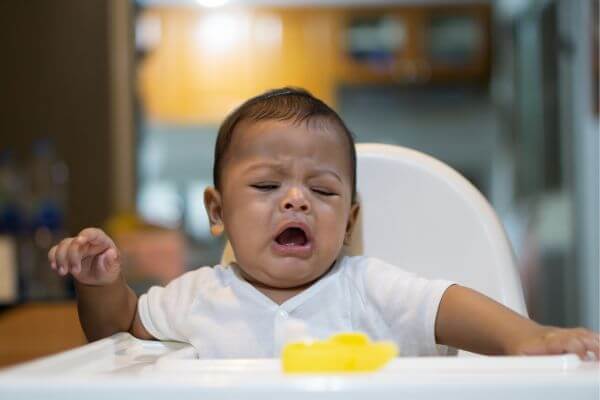
Most viral illnesses in children settle with time. But with RSV, it is the change that matters. If a baby is feeding poorly, breathing faster, or seems unusually sleepy, it is worth getting checked. Seek urgent care if there is laboured breathing, pauses in breathing, or difficulty waking.
A familiar winter pattern
Aarav improved after a few days in the hospital. His breathing settled, and feeding slowly returned to normal. For his parents, it was unexpected. For many paediatricians, it is something we see every winter. RSV is common. For most children, it remains mild.
But recognising when a “simple cold” is no longer simple and acting early is what makes the difference.
Read more: From wheeze to ease: Supporting children with asthma