


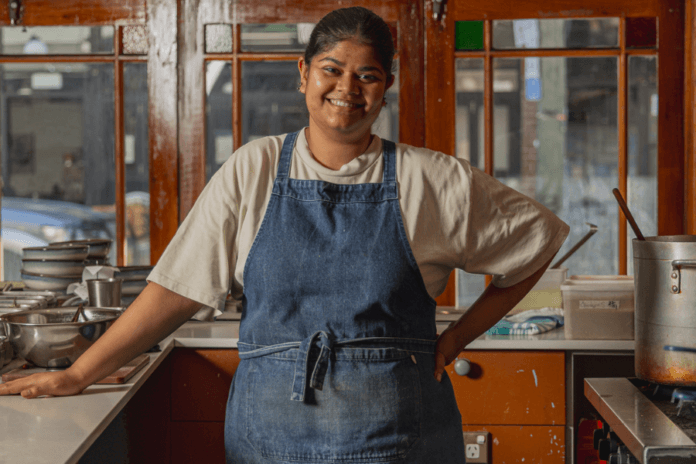
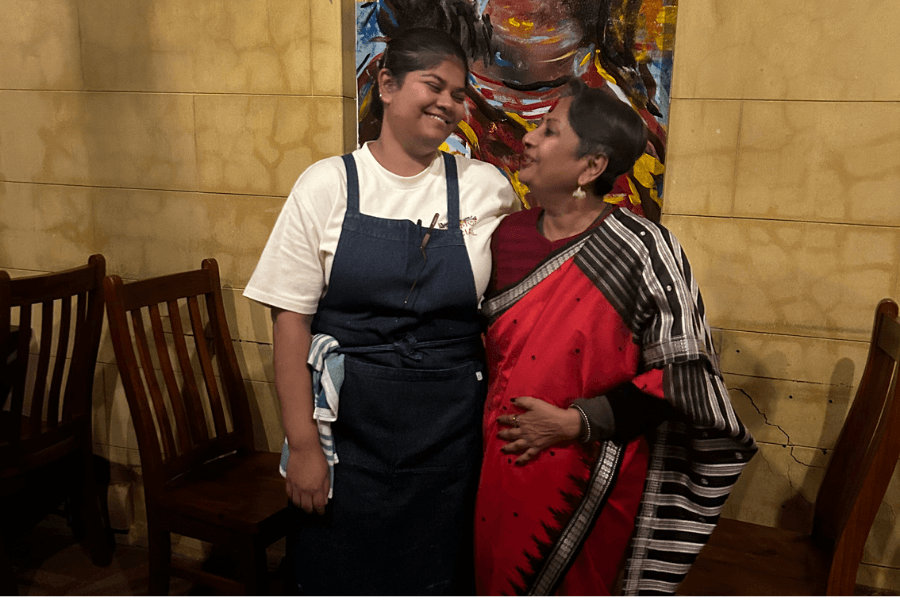
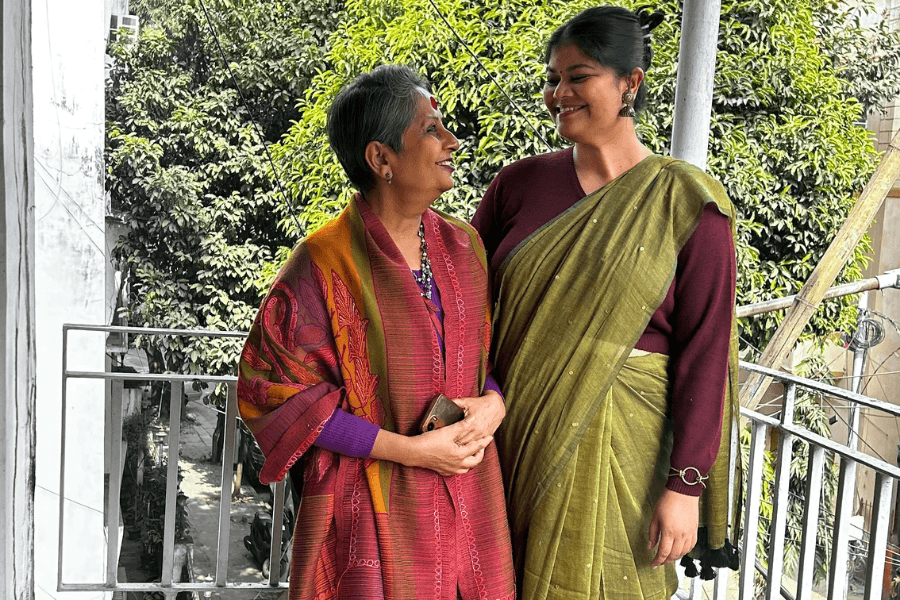
When Ahana Dutt’s mother flew in from Kolkata for the opening of Kolkata Social, the smell from the kitchen stopped her. Onions frying in ghee, rice folded through, a fine birista pulao. Dutt had put the dish on her first menu because her mother made it on days she didn’t want plain dal-bhaat.
“She smelt it and said, ‘Oh yeah, your Dida (Grandmum) used to make this for me when I didn’t want plain rice,'” Dutt recalls. She had no memory of making it for me. Her memory was of my grandmother making it for her. It really blew my mind.”
Three generations, one pan of rice. It sums up what Dutt is doing in Sydney: cooking the food of West Bengal as it is eaten at home, and giving it the respect diners give French or Italian food. That effort has now earned her the Bill Granger Trailblazer Award 2026, named for the late Sydney chef.
Time to look up
The award is a pause, not a finish line. “You’re so in the trenches that you don’t often have time to look up,” she says. “An award like this makes you stop and acknowledge that even though there’s still a long way to go, you’re on the right path,” she tells Indian Link.
Winning it with Bengali food matters more. “That’s the whole point of this restaurant. I’m a very proud Indian, a very proud Bengali.” But Bengal is a door, not the destination. “India is such a big, diverse country. For a handful of dishes to represent the entire country feels like such a shame.”
A team where inclusion is the norm
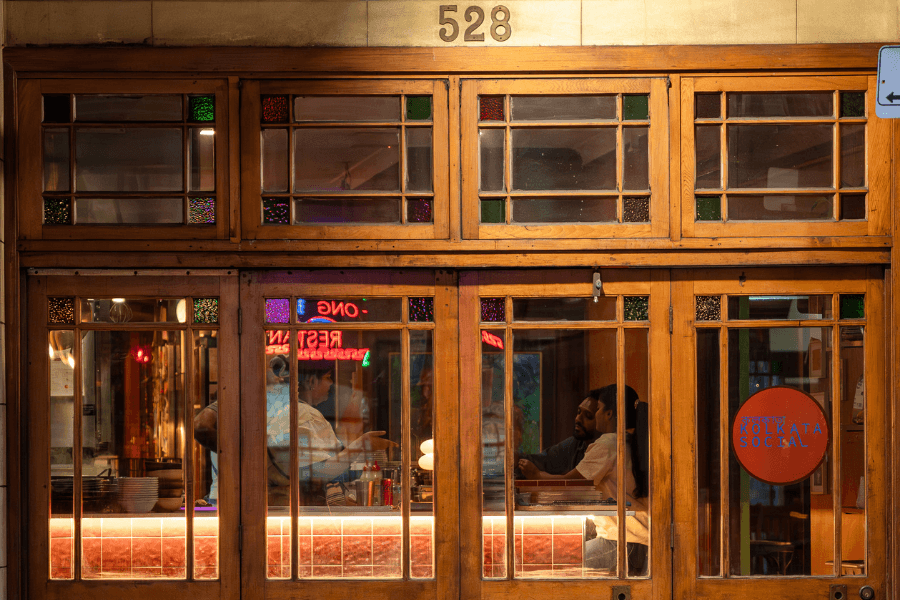
Kolkata Social opened about 18 months ago in partnership with the social enterprise Plate It Forward. Dutt has since bought out her partners, but kept a social mission of her own: diversity and representation in hospitality.
“Oftentimes, being a South Asian woman in a restaurant, you might be the only one,” she says. Her team includes staff from India, Singapore and Nepal. “Inclusivity is the norm. Show up, be interested, and we’ll give you the tools to do the rest.”
“When you move to a different country, you’re constantly being told to assimilate,” she adds. “You can be proud of being Australian while celebrating being Indian. You don’t always have to assimilate to be accepted.”
What Firedoor taught her
Dutt moved to Australia to study in 2014 and spent around six years at Firedoor, Lennox Hastie’s Surry Hills restaurant, where everything is cooked over fire. Hastie shaped her approach to seasonality and suppliers, though none of it felt new.
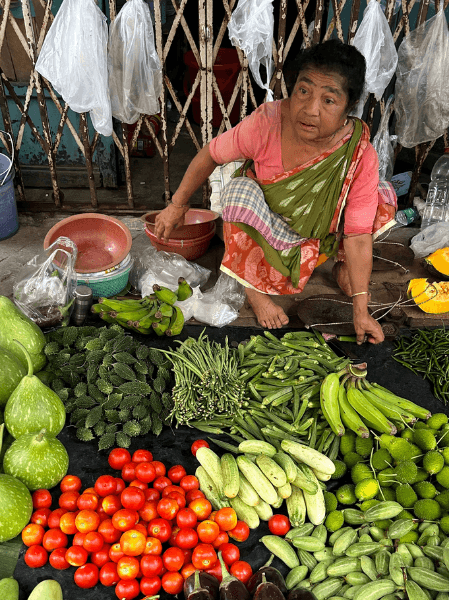
“Those are the same things I grew up with. We go to the bajar (market) every Sunday. You have your ‘shaak-wala’ (vegetable vendor) and your ‘maach-wala’ (fish vendor). That’s exactly what Firedoor was doing, and that’s what I do now.” Hastie’s real lesson, she says, was humility: “He’s one of the best chefs in Australia, and he never stops learning.”
“Why is there Indian food on the menu?”
Early on, some diners were confused. “People said, ‘You’re a Bengali restaurant; why is there Indian food on the menu?’ They didn’t know West Bengal existed,” Dutt says.
The assumptions ran deeper. “They want Indian food to be cheap. They want it to be spicy. And of course, the butter chicken of it all.” There is no butter chicken on her menu, and no delivery.
She has held her ground. “If your foundation is strong, people don’t really have an option but to come around. This comes from pride, not ego. There are, I don’t know, a hundred Italian restaurants in Sydney. So why can’t there be more than one regional Indian restaurant?”
View this post on Instagram
Stories, not history lessons
Her front-of-house staff are trained to tell a dish’s story without lecturing. “No one wants a history lesson over dinner,” she says. “It’s the stories that resonate.”
She takes quiet pride in seeing kosha mangsho, aloor dum and shingara in a Good Food review. “That’s vocabulary that didn’t exist in the Sydney dining scene before. Even the distinction between a shingara and a samosa is such a big deal.”
Recipes nobody wrote down
Dutt’s cooking philosophy comes largely from her mother and grandmother, and with it comes a duty. “For most so-called ethnic cuisines, people aren’t writing recipes down. I’m only here because of everyone who came before me.”
She wants that skill credited. “It’s not easy to make a very good khasta kochuri dough. It takes as much skill as rough puff pastry. Same with shondesh or roshogolla. The chhena has to be the perfect consistency, and all of it is instinctive.”
Respect for those who came first
Dutt wants Indian food seen as more than cheap takeaway, but won’t look down on the restaurants that built that image.
“That would take away from the people who came before me, when times were much harder,” she says. “They had no option but to put butter chicken and naan on the menu, because that’s what sold. As a brown person in a different country, you had to give in, for your safety more than anything. For me to do this, as hard as it still is, is a big privilege.”
Not on cruise control
Firedoor also introduced her to native ingredients. Davidson plum often stands in for tamarind, and desert lime and native pepperberry feature too.
Dutt insists Kolkata Social is still a young restaurant working to fill its tables. “This award has come at a very nice time, but it’s not a culmination. We’re not on cruise control now. It is so far from it.”
Her bigger picture is a Sydney where Bengali restaurants sit beside many other regional Indian ones. “We need more people to collaborate with, so we can keep pushing things forward.”
Read more: Abhi’s Kumar Mahadevan wins Legend Award