




Earlier this year, Arun Jhunjhunwala and 15 other Indian Australian families from Tarneit booked their dream holiday to China through AVG Travels. AVG Travels collapse
An 11-day tour of the country, the package promised to take the group to iconic landmarks like the Great Wall of China and Tiananmen Square. Instead, it left them shattered and out of pocket by $60,000, the company going into liquidation before their very eyes just weeks after their booking.
‘Too good to be true’
Jhunjhunwala was coordinating a group booking of 45 Tarneit locals travelling over the Easter holidays in 2027, including children and grandparents. With many looking to celebrate birthdays and anniversaries on the trip, travelling together to China offered the majority Indian group some comfort over the language barrier and dietary restrictions.
Operating in Melbourne since 2015, AVG Travels, short for Asia Vacation Group, described themselves as a company offering ‘unbeatable tour deals’ on packages to popular Asian destinations like Vietnam and Thailand.
Jhunjhunwala heard about AVG Travels through strong word of mouth, finding an 11-day China trip inclusive of flights for $1000, a price of which he was at first sceptical.
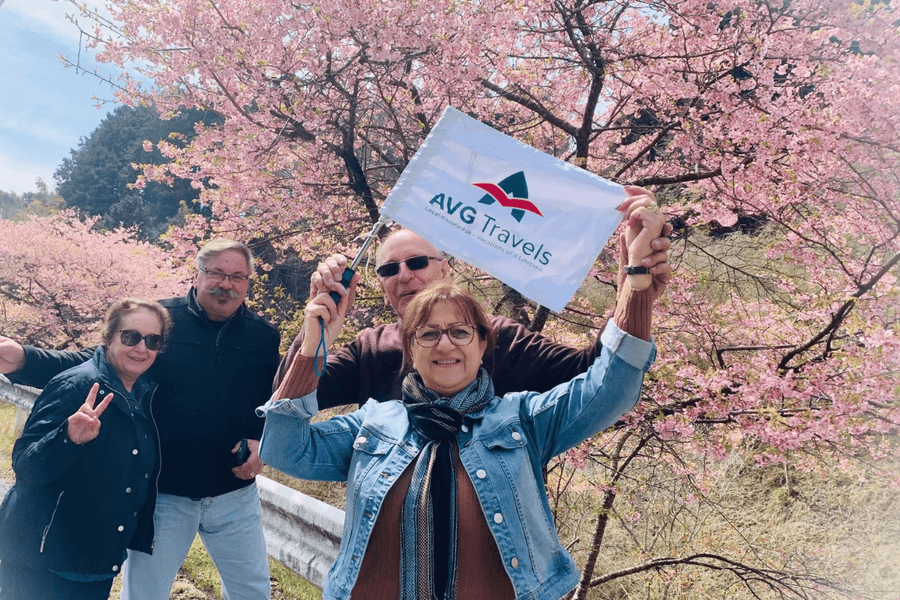
“I had a phone call with the AVG staff while I was booking because I was not so confident – I was like, how can you offer this so cheap? That is when the staff explained to me ‘this is because the Chinese government is funding us, they want to promote the tourism industry’,” he recalls.
“That is how we were sold…it was too good to be true to be honest.” AVG Travels collapse
Nonetheless, Jhunjhunwala and the families put their faith in the company and placed their bookings between January and March this year.
In early May, discussion surfaced in a Facebook group of AVG travellers about booking delays and cancellations, sparking concern for Jhunjhunwala, who had already spent over $3k with the company.
“One of our group members reached out to the company and asked if everything is okay and they got a written assurance saying that everything is fine, it was just a once off thing – our finances are excellent and everything’s going to go well,” he notes.
Two weeks later, on May 26th, Jhunjhunwala and the families received an email saying the company had gone into liquidation. ASIC documents have since revealed the company owes over $4.3 million to around 800 creditors, with only $83,000 in assets.
“That is one day I’ll never forget…My first reaction was absolute shock. I was like, what has just happened? Why am I receiving an email from liquidators?” he said.
Jhunjhunwala then discovered the company hadn’t held ATIA accreditation since August 2022 but had continued to operate without disclosing this to customers. AVG Travels collapse
“The shock turned into anger after a couple of days… this is a systemic failure, and we need to have a law to protect the consumers here.”
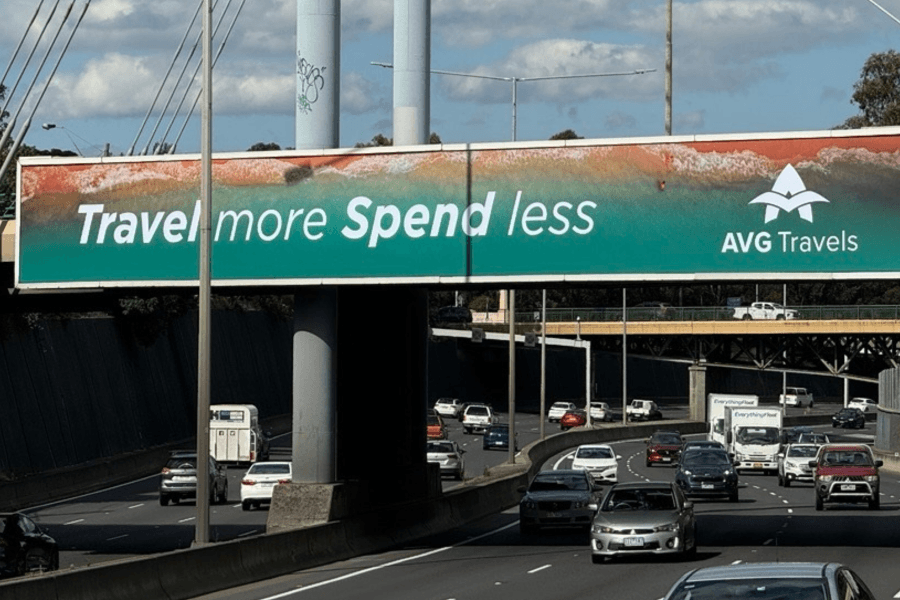
The accreditation loophole
Accreditation with the Australian Travel Industry Association or ATIA lets business prove to customers their credibility and compliance to professional industry standards.
However, the scheme is entirely voluntary, cannot be legally enforced, and does not provide a financial safety net for customers, leaving travellers with little power in the event of a collapse like AVG Travels. AVG Travels collapse
Eager not to see more families lose their savings, Jhunjhunwala has begun a petition to the ACCC and the federal government to reinstate a consumer protection scheme for travellers.
Inspired by Air Travel Organisers’ Licensing legislation in the UK, the reform would see customers compensated in the case of insolvency, as well as making it mandatory to disclose industry accreditation status. The petition has gathered over 1000 signatures so far.
“It’s seriously required – every few years we hear some travel company or other collapsing or filing bankruptcy, and the consumer has nowhere to go,” he argues.

Meanwhile, amidst a cost-of-living crisis, the Tarneit group continues to feel the toll of the AVG fallout. Jhunjhunwala says his own wife and son are still processing their disappointment.
“We were so looking forward to it. We thought it was going to be special because we had never travelled in such a large group before,” he says.
With most of the group having made full payments via bank transfer to avoid credit card fees, they will likely never see a refund. But perhaps the most profound currency lost is trust.
“The financial loss is one thing, but I think honestly, the mental and emotional toll is more than the financial loss. People don’t want to book another trip,” Jhunjhunwala says.
“I will be very careful, and probably most of us will never go back to a travel agent now.”
READ ALSO: A tale of two Little Indias