



Dr Nirmal Robinson
What happens when cancer research heads to space?
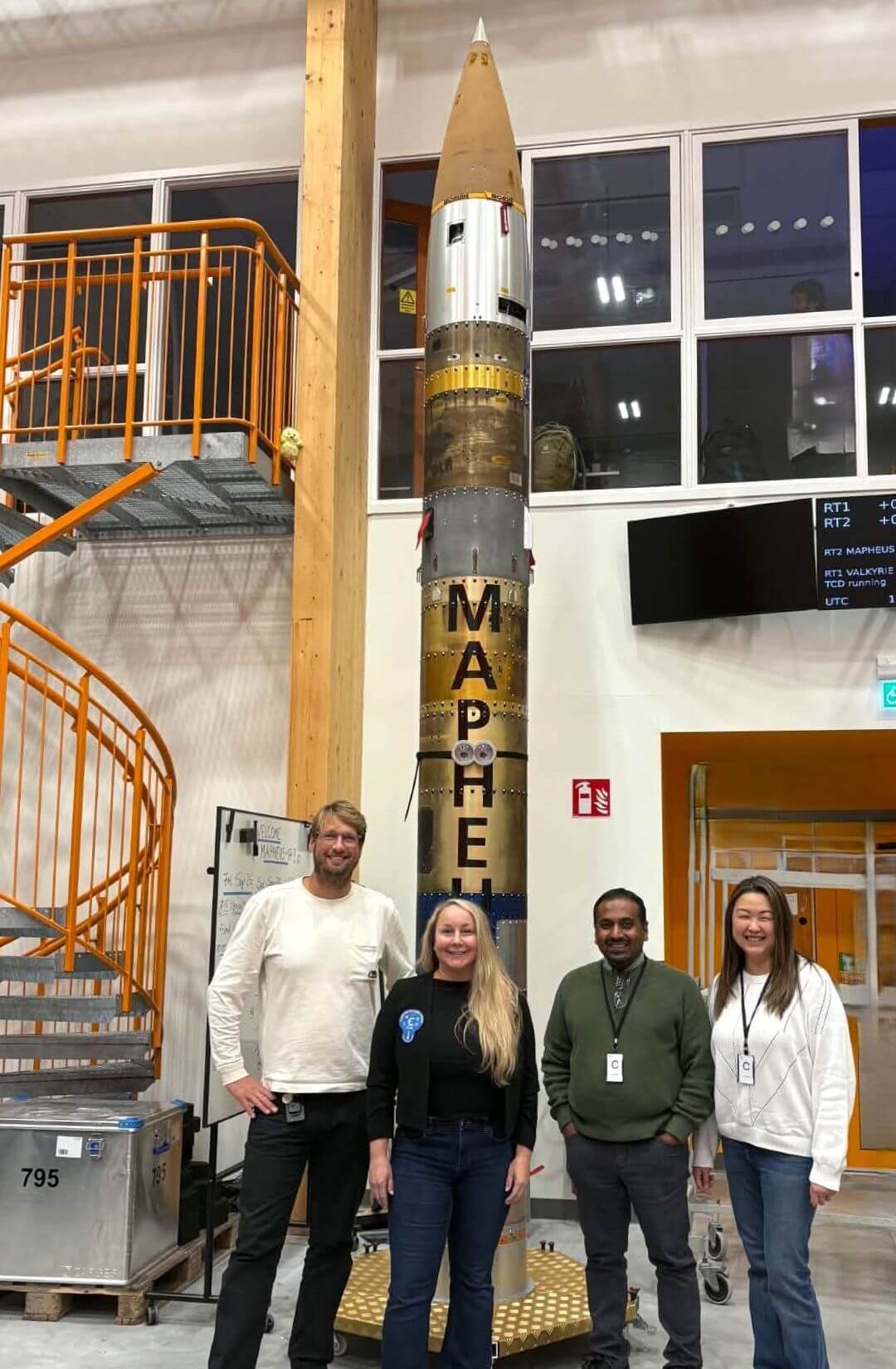
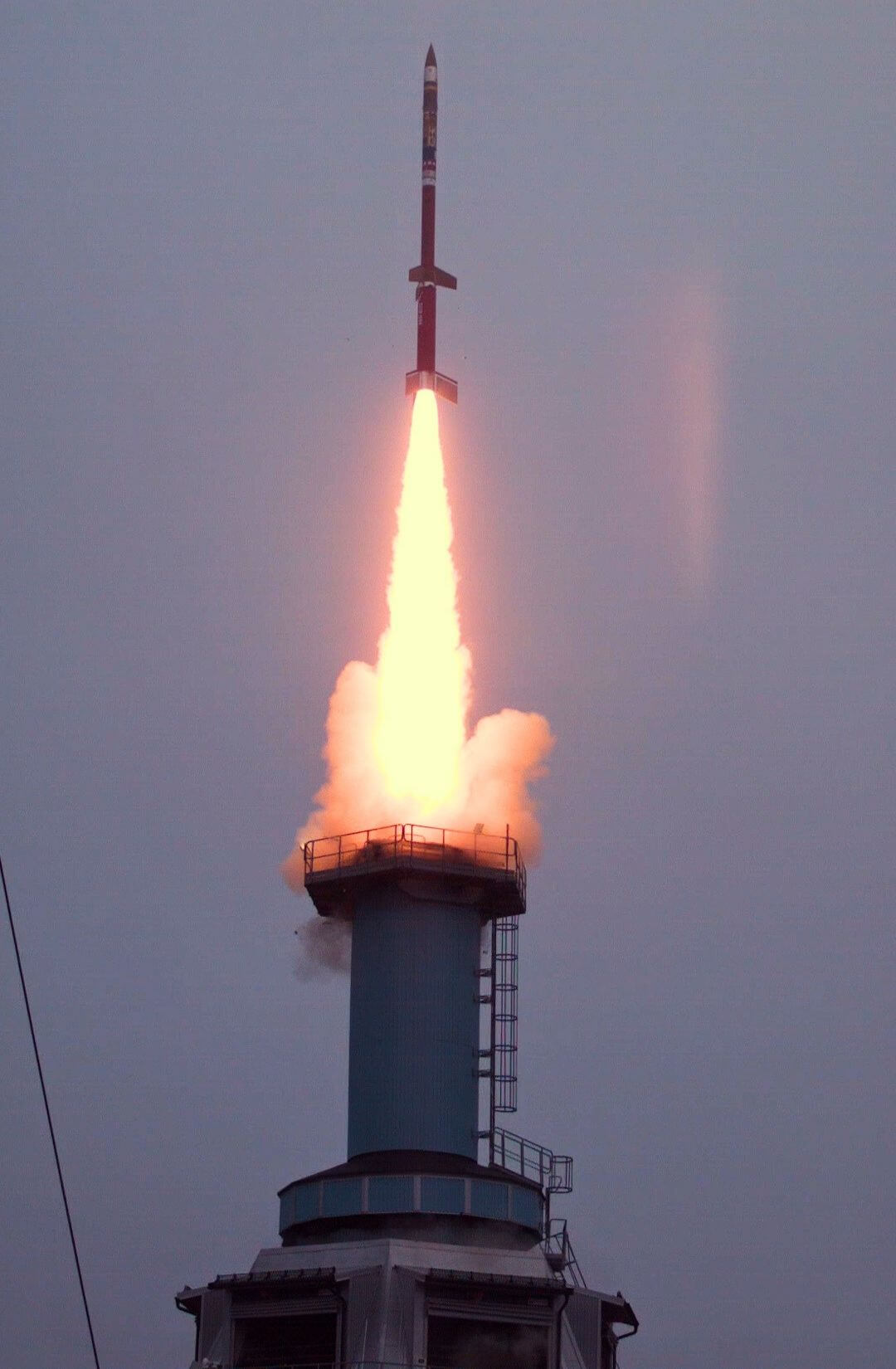
On October 1, Adelaide-based researcher Dr Nirmal Robinson watched a German sounding rocket lift off from Sweden carrying human blood-forming cells.
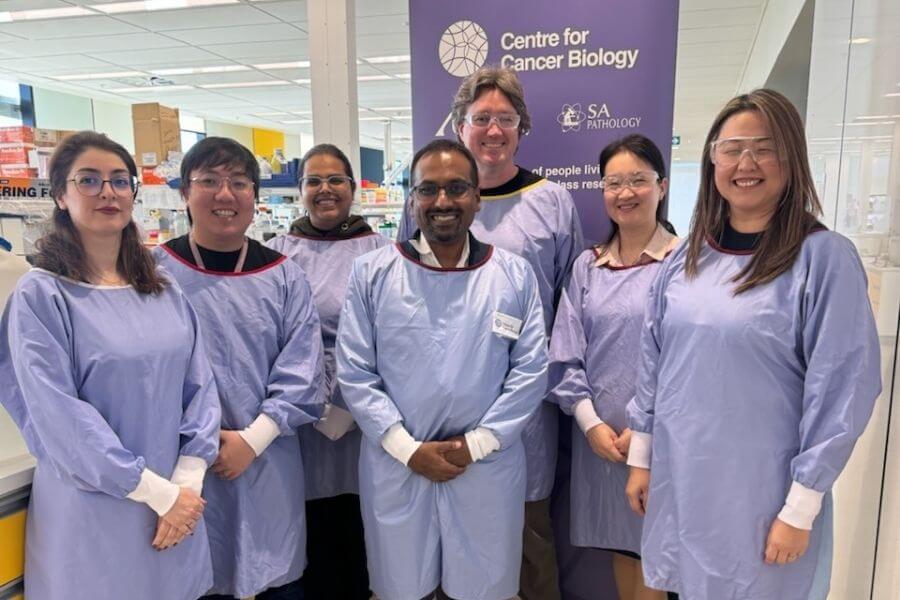
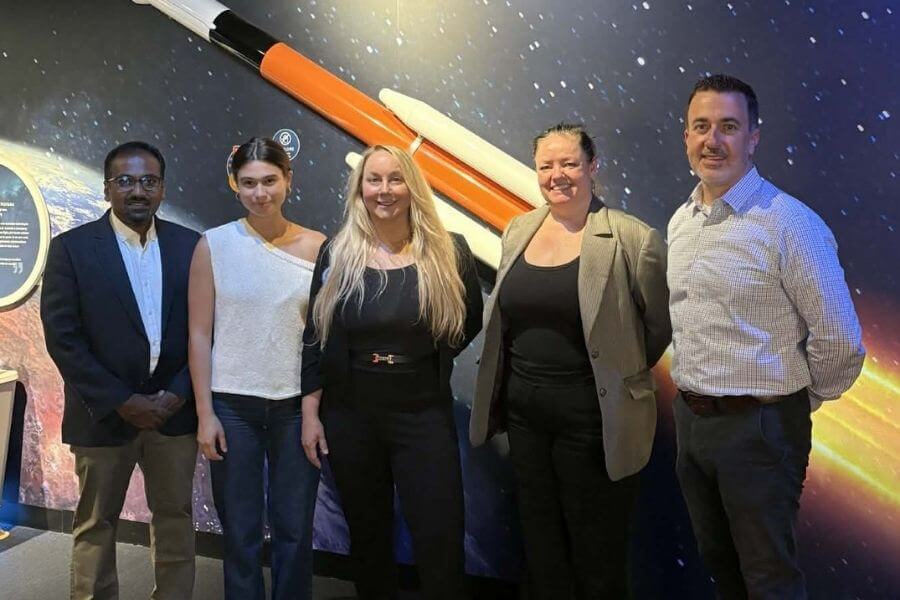
The cells travelled aboard the German Aerospace Center’s MAPHEUS-17 sounding rocket and experienced about seven to 10 minutes of microgravity. The mission has now been successfully completed, and researchers will begin analysing the recovered samples. The work will be carried out jointly by Adelaide University’s Cellular Stress and Immune Response Laboratory and SAHMRI’s Myeloid Metabolism Laboratory.
For Robinson, the point is not to make cancer cells more aggressive in space. It is to use microgravity to expose cellular behaviour that can be difficult to see under the constant gravitational conditions of an Earth laboratory.
“We are using space as an experimental platform to ask a question that is important here on Earth,” he tells Indian Link. “Why do some cells cope better with stress than others, and could that advantage contribute to the development of cancer?”
If the experiment reveals how cells survive stress and identifies vulnerabilities that cancer cells depend on, it could eventually point researchers towards new ways to detect, prevent or treat blood cancers.
Seeing cells in a new light
Cells constantly respond to their surroundings, from chemical signals to physical conditions. Microgravity alters the mechanical environment around them, potentially affecting signaling, the organisation of their internal structure and genes involved in adaptation.
Robinson compares the experiment to looking at stars or fireflies at night.
“Darkness allows us to see them glow that is difficult to see in daylight. Similarly, changing the gravitational environment may help reveal aspects of cellular behaviour that are otherwise less apparent.”
The experiment focusses on human blood-forming cells, which give rise to the different types of cells in blood. Changes in these cells can contribute to blood cancers.
The researchers are particularly interested in cellular stress responses, inflammatory signaling and metabolism. They want to know whether microgravity changes the protective mechanisms cells use to survive challenging conditions.
Because the exposure was so brief, the researchers are not expecting to watch cancer develop in space. Instead, the minutes of microgravity could capture the earliest molecular reactions.
“Cells can begin responding to environmental changes within seconds or minutes,” Robinson explains. “A brief exposure can therefore help us investigate the early stages of adaptation, which signals are activated, which gene activity patterns change etc.”
From space to the lab
The team will first assess whether the recovered cells remain viable. It will then examine molecular responses, including gene activity at the level of individual cells, focusing on pathways involved in stress, inflammation, metabolism and survival.
Any result will need to be interpreted carefully. The cells experienced not only microgravity, but also rocket acceleration, vibration, transport and recovery. The researchers will compare the flown samples with appropriate ground controls to distinguish these effects.
The central question remains deceptively simple: what allows blood-forming cells to withstand stress, and could those same protective responses contribute to blood cancer?
“A response that helps a healthy cell survive can, in some circumstances, also help a disease-associated cell persist,” Robinson explains.
That distinction could eventually matter for cancer research. If the experiment identifies a previously unrecognised mechanism or vulnerability, the team can return to conventional laboratory experiments to investigate whether the pathway has a role in blood cancer biology on Earth.
Even an uneventful result could be useful.
“A useful experiment does not have to produce a dramatic result,” Robinson shares. “It needs to help us narrow the question and design the next experiment more intelligently.”
For now, the researchers do not know whether the flight will reveal a new useful cancer vulnerability.
“This is an early discovery experiment, so it would be premature to promise a treatment or diagnostic test from this flight,” Robinson says.
For Robinson, watching the rocket disappear into the sky was both an ending and a beginning.
“It was an extraordinary mixture of excitement, responsibility and relief,” he recalls. “Watching the rocket launch, I was thinking about the living cells inside it and all the people whose work had made that moment possible.”
His interest in cellular stress has long driven his research. Taking that question into space, he says, was a natural extension of that work – and a demonstration of what can happen when biology and engineering meet.
“The successful flight is an important milestone. Now comes the part that matters most scientifically: listening carefully to what the cells can tell us.”
Read Also: What a Gujarat farm taught WA science award winner Dr Neha Umaretiya