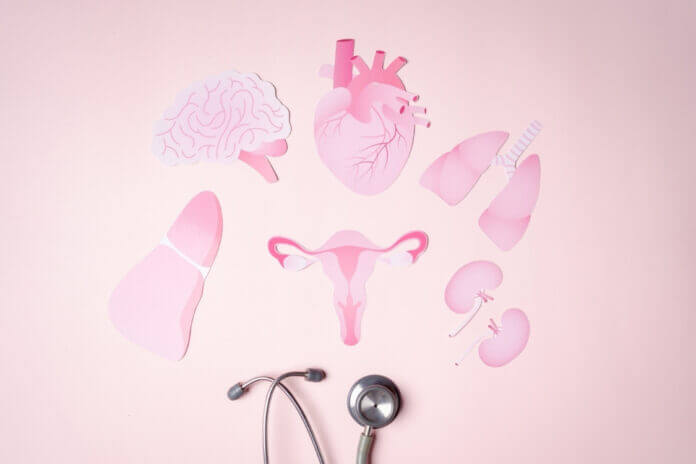
For years, many women heard the word PCOS and thought of cysts, infertility, weight gain or irregular periods. Now, PCOS has officially been renamed PMOS (Polyendocrine Metabolic Ovarian Syndrome).
The name sounds technical, but the reason is simple. The old name made people believe the condition was mainly about cysts on the ovaries. It is not. PMOS can affect periods, skin, hair growth, weight, fertility, mood, blood sugar, heart health and wellbeing across life.
A better name can lead to better understanding, earlier diagnosis and more respectful care.
Not just a “cyst problem”
The old term, polycystic ovary syndrome, caused confusion. Some women feared they had dangerous cysts. Others were told they could not have the condition because their scan did not show cysts.
Experts now stress that cysts are not the main story. A woman can have PMOS without ovarian cysts. It is a hormone and whole-body health condition.
View this post on Instagram
How common is it?
PMOS is very common. The World Health Organization estimates that PCOS, now PMOS, affects about 10 to 13 per cent of women of reproductive age, and many remain undiagnosed. Other global estimates suggest it affects around one in eight women.
For Indian women, the concern is significant. Research in India has found that the condition may affect roughly 7 to 20 per cent of women, depending on how it is diagnosed. Many women with PMOS also have related problems such as weight gain, high cholesterol, fatty liver, blood sugar issues or higher diabetes risk.
In simple words: this is not rare. It is one of the most common women’s health conditions, yet it is still often missed.
Why Indian families need to talk about it
For women from collectivist, community-oriented cultures like South Asia, PMOS is not only a medical issue. It can become a family, social and emotional issue.
Periods are still not openly discussed in many homes. Facial hair, acne and weight gain can cause shame. Fertility is often linked to marriage expectations and a woman’s identity. A teenage girl with irregular periods may be told to ignore it. A married woman struggling to conceive may face pressure, pity or blame.
This silence delays care. Many women seek help only when pregnancy becomes difficult, even though symptoms may have started years earlier.
Migrant women can face extra barriers: language, stigma, and lifestyle advice that does not fit their cultural food habits, vegetarian diets, fasting practices, family routines or work stress. PMOS must be explained in a way families can understand – without shame and without blame.
View this post on Instagram
It is not her fault
One harmful myth is that women with PMOS are careless, lazy or undisciplined. This is wrong.
PMOS can affect how the body handles insulin, the hormone that helps control blood sugar. This can influence weight, cravings, tiredness, skin, periods and long-term health. Some women gain weight easily. Some struggle to lose weight despite serious effort. Some have PMOS even when they are not overweight.
Healthy food and movement are important, but “eat less and exercise more” is not enough. Women need proper checks, emotional support and long-term care.
The emotional cost is real
PMOS can affect confidence, relationships and mental health. A girl with acne may avoid social events. A woman with facial hair may feel embarrassed. A bride facing fertility questions may feel anxious. A woman struggling with weight may feel judged at home, at work and in the community.
Families can help by listening, avoiding hurtful comments and encouraging support.
What will change in medical care?
The name change will not transform treatment overnight, but it should change how doctors and health systems approach the condition.
Future care is likely to look at the whole person, not only periods, fertility or ultrasound scans. Doctors may check earlier for diabetes risk, cholesterol, heart health, mental wellbeing, sleep problems and family history. Care may involve GPs, gynaecologists, hormone specialists, dietitians, fertility experts and mental health professionals working together.
What should women look out for?
Women and girls should seek advice if they have irregular or missed periods, acne, excess facial or body hair, scalp hair thinning, unexplained weight gain, dark skin patches around the neck or underarms, trouble becoming pregnant, mood changes or a family history of diabetes.
These signs do not always mean PMOS, but they should not be ignored.
From shame to understanding
The change from PCOS to PMOS is a chance to change how we talk about women’s health.
PMOS is common. It is manageable. It is not a woman’s fault.
It also reminds us that women’s health should not matter only when a woman wants to become pregnant. It matters in adolescence. It matters in young adulthood. It matters after childbirth. It matters through midlife and beyond.
PMOS is lifelong. It can affect physical, emotional, family and social life. But with earlier diagnosis, better awareness and more compassionate care, women can live healthier and more confident lives.
The name has changed. Now our understanding must change too.