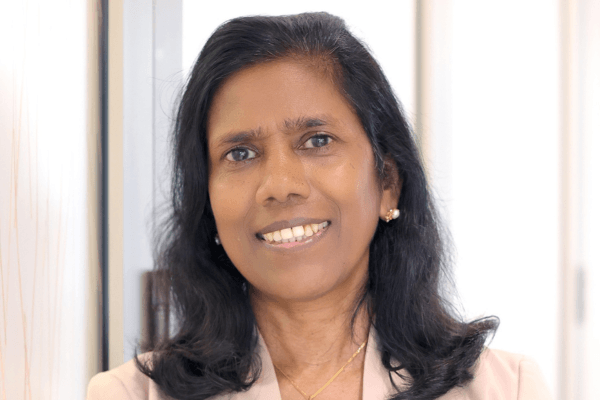

Valsamma Eapen AO
When Tourette Syndrome activist John Davidson involuntarily shouted a racial slur during this year’s BAFTA Awards, the backlash was immediate. The incident sparked global debate about a condition still widely misunderstood despite affecting thousands. Davidson later said he was “deeply mortified”, while disability advocates stressed the outburst was an involuntary symptom of Tourette Syndrome (TS), not a reflection of his views.
For Indian-origin, Sydney-based psychiatrist Professor Valsamma Eapen, the controversy highlighted a reality she has spent years trying to change.
Despite growing awareness of autism and ADHD, children with Tourette Syndrome in Australia still wait an average of two years for a diagnosis, often facing stigma and significant mental health challenges along the way.
“It is one of the most under-recognised, misunderstood and misdiagnosed medical conditions,” Eapen told Indian Link.
Eapen’s lifelong commitment to improving outcomes for child and adolescent mental health, to neurodevelopmental research, and to tertiary education has now been recognised with an Officer of the Order of Australia (AO), one of the nation’s highest civilian awards, in the 2026 King’s Birthday Honours.
Ask her reaction to the recognition, and she simply says: “Deeply humbled and honoured.”
Currently Chair of Infant, Child and Adolescent Psychiatry at the University of New South Wales and Director of the BestSTART Child Health Unit in South Western Sydney, Valsamma Eapen AO has helped shape national guidelines on autism and ADHD while advocating for equitable access to care for children across Australia.
Learning brain and behaviours
Her journey into child psychiatry began with a fascination for both children and the human brain.
“I always wanted to work with children, and during medical training, the brain fascinated me as an organ, but seeing a young patient with Tourette Syndrome and the diverse behavioural manifestations totally got me,” she recalled.
That early clinical encounter would go on to define an illustrious career that has focused on early identification and intervention in neurodevelopmental conditions. For Eapen, the appeal of the field lies in its potential to change life trajectories before difficulties become entrenched.
While early support is one of the most powerful tools in child mental health, she argues that systemic barriers continue to prevent many families from accessing timely care.
“One of the biggest challenges is the ‘inverse care effect’ in that those children from the most disadvantaged backgrounds with the highest risk of having neurodevelopmental needs are least likely to have early access to services,” she explained.
According to her, access to diagnosis and treatment is often shaped not by need, but by geography and socioeconomic circumstances. “It is often the case of a ‘postcode lottery’,” she said, pointing to deep inequities embedded within the system.
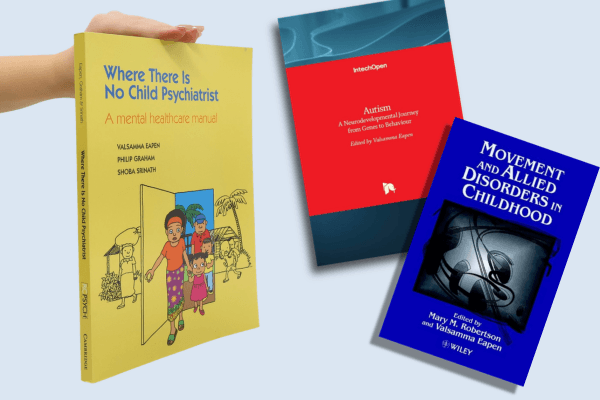
Australia’s problem
Beyond diagnosis and access, Eapen believes one of the most overlooked gaps in Australia’s mental health system is the stage of life at which support is prioritized.
“Support in the early years of life is still lagging behind and in particular under 6s and under 12s are overlooked with quite a bit of focus instead on youth services,” she informed.
Yet, she argues, it is precisely these early years that offer the greatest opportunity for meaningful intervention. By the time children reach crisis points in adolescence, many developmental and behavioural challenges have already become complex and harder to treat.
“The return on investment and the opportunities to make a difference in the life course are much earlier in life and not after the issues have consolidated and comorbidities and complexities have set in,” she said.
Her work has increasingly focused on closing this gap through both research and practical tools. One of her key contributions is ‘Watch Me Grow’, an electronic developmental screening platform designed to track children from birth to school age. The aim is simple: identify developmental differences early and ensure families are connected to support as soon as concerns emerge.
“My hope is that no child is left behind due to their cultural, linguistic, geographic or socioeconomic background,” she shared.
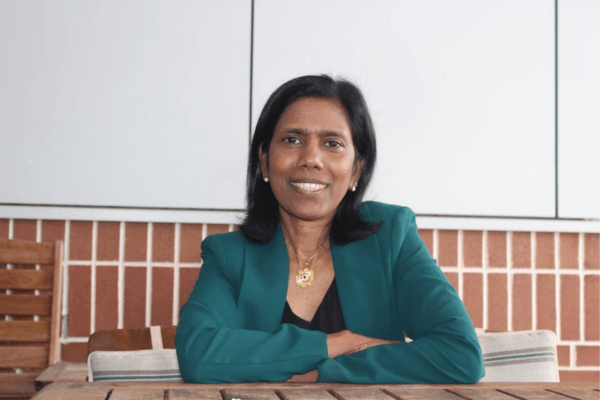
Raising kids with care
Born in Kerala, she undertook specialist training and research in the United Kingdom before establishing her career in Australia. Along the way, she says, her guiding philosophy has remained consistent.
“I am guided by the values of family and I truly believe in the spirit of family and community connections as ‘it takes a village to raise a child’,” she added.
That belief, she explains, becomes even more important in migrant contexts, where families may not have the same extended support networks they once relied on. In those situations, she says, communities and services must help recreate that sense of collective care.
As a mentor to young clinicians and researchers, Eapen says the future of mental health care will depend on adaptability in a rapidly changing field and strong emotional intelligence.
For her, empathy is not abstract but essential – the foundation for building trust with children and families across diverse cultural and social backgrounds.
Read Also: Prof Bala Venkatesh AM: King’s Birthday Honours 2026