

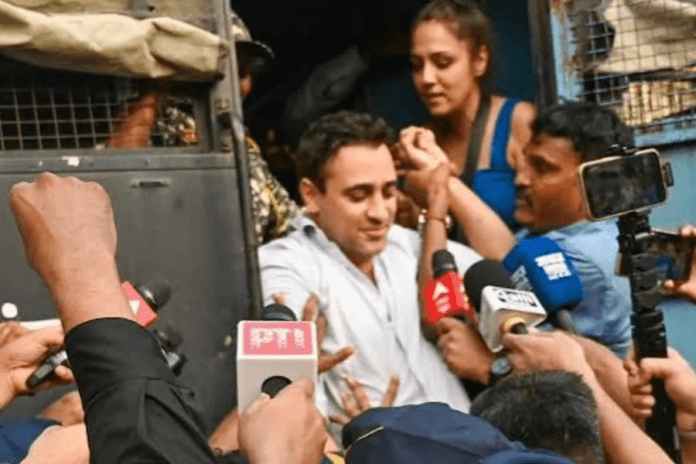

When Imran Khan joined a CJP protest at August Kranti Maidan on 10 October, he was one face in a crowd demanding the resignation of Chief Election Commissioner Gyanesh Kumar. He was also among those detained by Mumbai police. The actor had earlier backed the CJP’s student protests over the NEET paper leak, and his presence on the ground drew cameras. It also drew attention to his passport.
Khan was born in Madison, Wisconsin, and is a US citizen. He has lived in India for most of his life and built his career in Mumbai. But by law, he is a foreigner. His detention has revived a question many in the diaspora carry quietly: when you give up Indian citizenship, what exactly do you give up?
The bargain
Indian-born Australians number roughly 916,300 by official estimates, making them one of the country’s largest migrant communities. Many send money home, own property in India and invest in Indian businesses. India receives well over $125 billion in remittances a year, more than any other country.
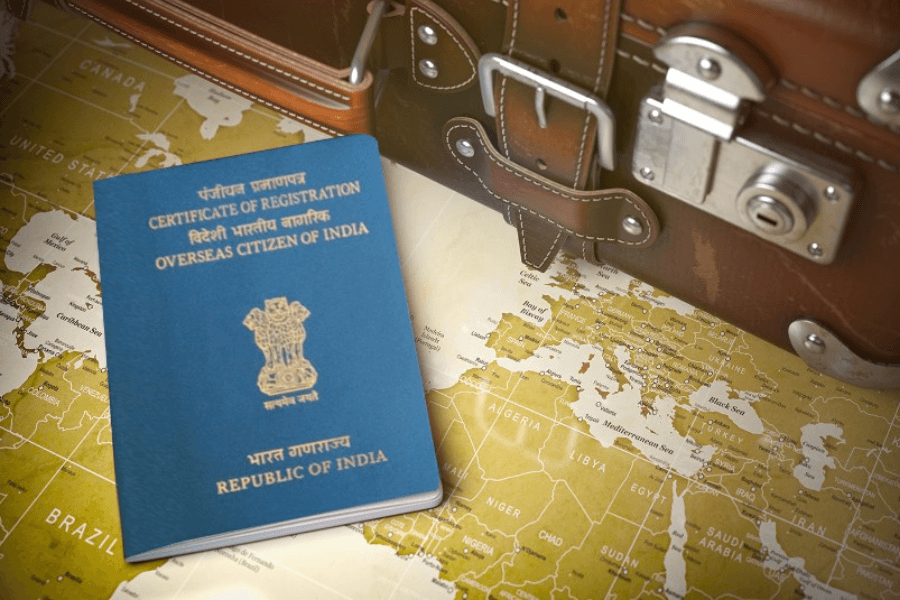
Because India does not allow dual citizenship, Indians who become Australian give up their Indian passports, usually taking an Overseas Citizen of India card in their place. The card offers a lifelong visa and many economic rights, but no vote and no public office. Since 2021, holders have also needed permission for activities such as journalism, missionary work, research and more.
For most, this is a considered trade: security, mobility and a better quality of life in exchange for a formal say in India. Few dispute that the vote goes with the passport. The harder question is whether the voice goes too.
Where the line is drawn
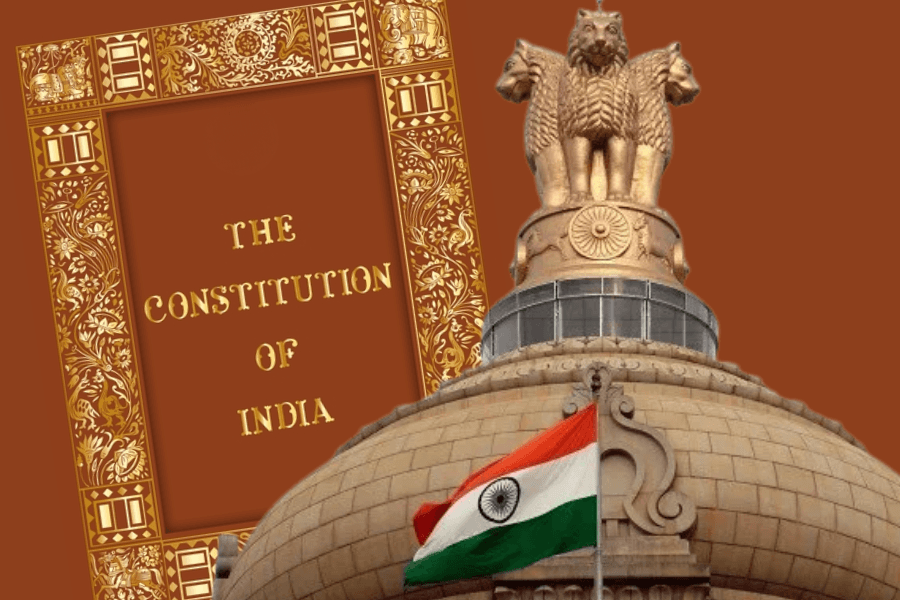
The Indian Constitution itself makes a distinction. The freedoms of speech and peaceful assembly in Article 19 are guaranteed to citizens. The right to life and personal liberty in Article 21 extends to every person in India. Foreign nationals, including OCI holders, therefore take part in protests under the terms of their visa or card rather than as a constitutional right, and those terms can be enforced.
The case for voice
Those who favour more room for non-citizens argue that speaking up about the country you live in, or are deeply tied to, is part of belonging rather than a privilege of paperwork. Someone like Khan lives, works and pays taxes in Mumbai. Decisions about elections, exams or infrastructure affect him as much as his neighbours.
They also note that diaspora money and investment are welcomed because of emotional ties to India. It is difficult, they say, to ask people to stay invested while discouraging them from raising concerns. Peaceful participation, in this view, is a sign of engagement, not hostility.
The case for restraint
Others see a clear logic in the current position. Giving up citizenship is a choice, and with it comes the status of a guest, however welcome. Most countries, Australia included, expect visa holders to respect their conditions and reserve a full political role for citizens.
There is also the question of foreign influence. Australia passed foreign interference laws in 2018 out of concern that diaspora communities could be used to advance other governments’ agendas, and India has similar concerns about activism directed from abroad. From this view, limits on non-citizen political activity protect the integrity of domestic debate rather than suppress it. India applied this principle in 2019, when foreign nationals who joined protests against the Citizenship Amendment Act were asked to leave.

Supporters of restraint also point out that OCI holders are not silenced. They can write, speak publicly and comment online. What is limited is organised political activity on Indian soil.
How social media changed participation
For Indian-Australians, the question is no longer mainly about who turns up at a maidan. A generation ago, engagement ran through community associations in Parramatta and Melbourne’s west, consulate events and the community press. Today a protest in Delhi or Mumbai can be watched live in Harris Park, shared within minutes and debated in the comments.
The farmers’ protests of 2020–21 showed how far this reaches, bringing rallies and car convoys to Australian cities. The CJP agitation followed a similar pattern, and Khan’s own move from posts to physical presence shows how thin the line between commentary and participation has become.
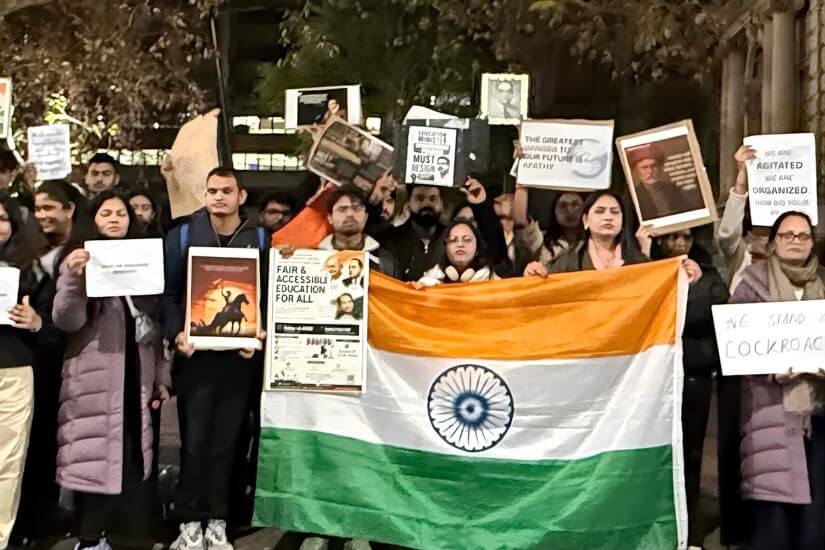
That reach brings both opportunity and scrutiny. Social media gives the diaspora a voice that formal channels do not, but online activity is also visible to authorities, and some commentators abroad have reported losing their OCI status. Misinformation, meanwhile, travels as quickly as solidarity.
Finding the line
Neither side argues in bad faith. One sees voice as part of belonging; the other sees limits as a fair consequence of a choice freely made. Suggestions for a middle ground include clearer published guidelines on what OCI holders may do, a distinction between peaceful expression and organised political campaigning, and formal channels for diaspora concerns to reach government.
For Indian-Australians weighing a passport decision, the practical point is that an OCI card is a visa, not a vote, and the rules around it can change. Whether it should also carry a voice is a question India will keep returning to, as cases like Imran Khan’s show.
Read more:India’s youth‑led Cockroach party may prove as hard to kill as its namesake