


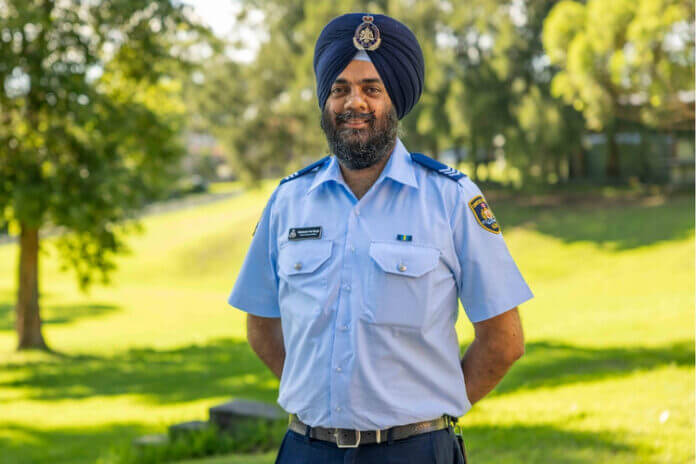

Correctional Officer Mohinder Singh
What drew you to corrections work, and what has kept you in it?
I wanted a career where I could make a real difference in people’s lives while serving the community. Since commencing my training at Brush Farm Corrective Services Academy in 2015, I’ve realised that this work is not just about security, it’s about people, resilience, and supporting change. What has kept me in the role is the opportunity to help staff and inmates through difficult situations, particularly through trauma-informed care, staff wellbeing initiatives, and mentoring younger officers.
What does a typical shift look like for you?
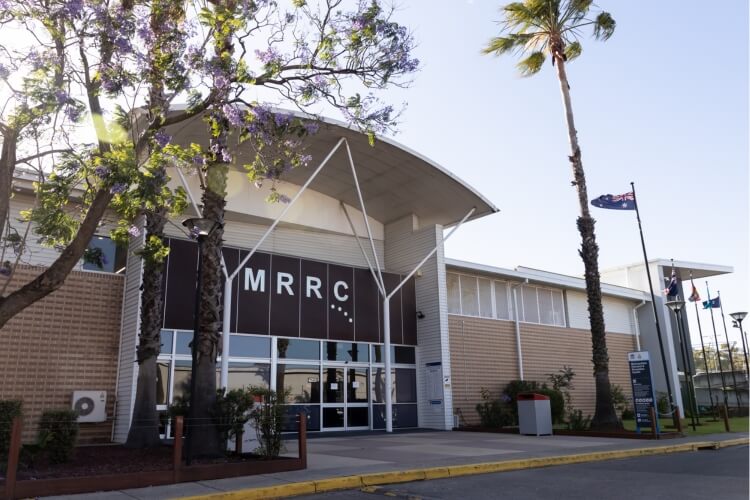
No two shifts are ever the same. A typical day involves supervising operations, ensuring safety and security, supporting staff, managing inmate welfare concerns, and responding to incidents when required. In my current role as Supervisor of the Mental Health Screening Unit at MRRC, I work closely with psychologists, psychiatrists, mental health nurses, and SAPOs to ensure vulnerable inmates receive appropriate support and safe management.
How do you build authority while maintaining respect with inmates?
Respect is built through consistency, fairness, and communication. I treat every inmate professionally and with dignity, while also maintaining clear boundaries and expectations. Authority comes from being calm, confident, and fair rather than aggressive.
What have you learnt about human behaviour through this job?
I’ve learnt that every person has a story, and many people entering custody are carrying trauma, addiction, mental health challenges, or difficult life experiences in their past. This role has taught me patience, empathy, and the importance of understanding behaviour rather than simply reacting to it. It has also reinforced how important structure, support, and positive role models can be in someone’s life.
Is there a moment that has stayed with you long after your shift ended?
Working in the Mental Health Screening Unit, there have been moments where vulnerable inmates were experiencing severe mental health crises. Supporting individuals during those critical moments and seeing collaborative intervention from staff and health professionals make a difference has stayed with me. It reminds me that our work can genuinely save lives.
What’s the toughest call you’ve had to make on the job?
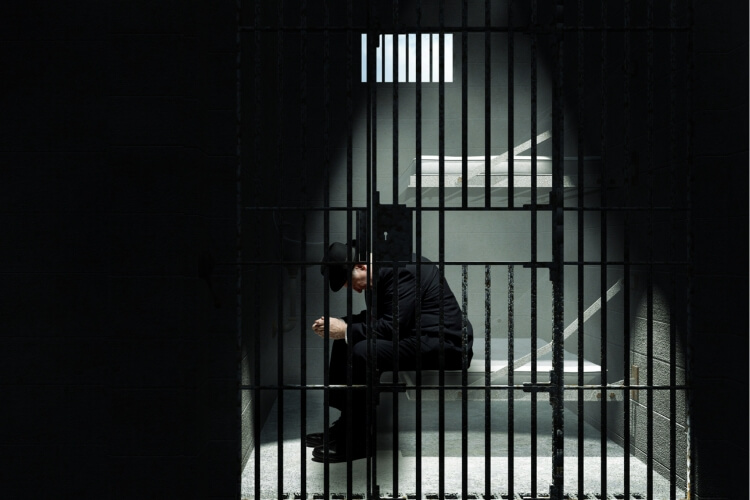
Balancing security concerns with the wellbeing of vulnerable inmates or staff. In high-pressure environments, decisions often need to be made quickly while considering safety, mental health, and operational risks at the same time. Those moments require calm judgment, adaptability, and teamwork.
How do you manage conflict or tension when situations escalate?
I rely heavily on communication, de-escalation, and remaining calm under pressure. My experience in negotiation, mental health training, “5-Minute Intervention”, trauma-informed practice, and conflict management training programs provided by the Department has taught me that listening, remaining professional, and responding calmly can often prevent situations from escalating further.
Working in corrective services, particularly within the Mental Health Screening Unit at MRRC, has reinforced the importance of understanding behaviour, identifying early warning signs, and adapting communication approaches based on the individual and the situation. Safety always comes first, but respectful communication, empathy, and professionalism are equally important in achieving positive outcomes and maintaining stability within the correctional environment.
What misconceptions do people have about correctional facilities?
A common misconception is that corrections work is only about locking people up. In reality, correctional facilities are complex environments focused on security, rehabilitation, mental health support, education, and reintegration. Officers are not just security personnel – they are mentors, communicators, first responders, and support systems.
Do you see your role as part of rehabilitation, security, or both?
Definitely both. Security is essential because without safety and order, rehabilitation cannot occur. At the same time, every professional interaction with an inmate can influence behaviour, accountability, and rehabilitation outcomes. The two go hand in hand.
What does success look like in your job?
Success means ensuring everyone goes home safely at the end of the day. Sometimes success is preventing a crisis before it happens.
Have you witnessed a genuine turnaround in someone?
Yes, I’ve seen inmates who arrived with significant behavioural or mental health challenges gradually begin engaging with support services, education, and structured wellbeing activities, leading to genuine positive change.
In the Mental Health Screening Unit, I often encourage inmates to do constructive and therapeutic activities such as colouring sheets, sketching, drawing, jigsaw puzzles, and other structured programs that help individuals occupy their minds in a positive and calming way. These activities can reduce stress, improve focus, and provide a healthy outlet for emotions, particularly for inmates experiencing anxiety, trauma, or mental health challenges.
Over time, I’ve witnessed individuals become more cooperative, emotionally stable, and willing to engage with our staff and support services.
How do you switch off after a difficult day?
I focus on family, community involvement, fitness, and cultural activities to maintain a healthy balance outside of work. Running Bhangra programs, playing badminton, and cycling help me stay physically active, mentally refreshed, and connected to the community in a positive way.
As a Peer Support Officer at MRRC, I also strongly believe in the importance of peer support, wellbeing programs, and maintaining healthy conversations with colleagues. In corrective services, looking after your own mental wellbeing is extremely important, and having strong support networks both inside and outside the workplace plays a key role in maintaining resilience and long-term wellbeing.
Has the job changed how you see people – or the world?
Yes, it has made me more understanding and less judgmental. It has reinforced that people are capable of both poor decisions and positive change. It has also strengthened my appreciation for resilience, teamwork, and community support.
What’s the most unusual part of your job?
The unpredictability and the wide range of situations you may face within a single shift. In one day, you might manage operational issues, support someone experiencing a mental health crisis, mentor junior staff, and coordinate wellbeing initiatives for employees all while responding to rapidly changing situations within the correctional environment.
What would people be surprised to know about correctional officers?
People are often surprised by how much emphasis there is on communication, empathy, mental health awareness, rehabilitation, and staff wellbeing within corrective services. Many people assume the role is only focused on security, but correctional officers are regularly dealing with complex human situations that require patience, professionalism, emotional intelligence, and strong communication skills.
Correctional officers support people during some of the most difficult moments of their lives, including mental health crises, personal trauma, addiction, and emotional distress. At the same time, we also support one another through teamwork, peer support, and wellbeing initiatives, because the job can be mentally and emotionally demanding.
The role requires balancing safety and security with compassion, fairness, and rehabilitation, which is something many people outside the profession may not fully realise.
If you had to describe your work in three words, what would they be?
Resilience. Service. Responsibility.
Read more: #MyWork: Prison officer Gurpreet Singh