


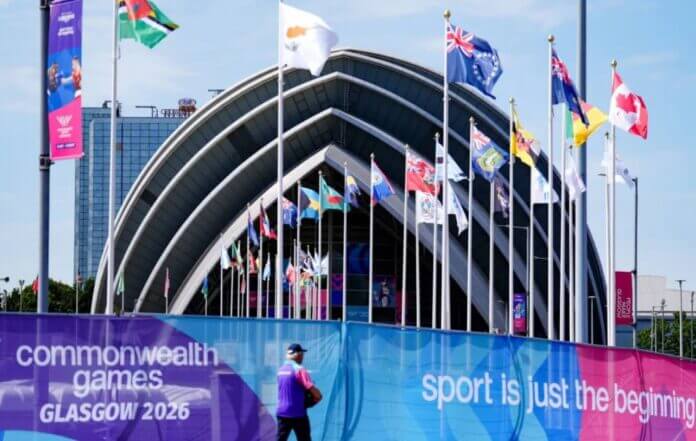
The Commonwealth Games return to Glasgow from 23 July to 2 August 2026, with the Scottish city hosting the event for a second time after its successful 2014 edition.
Around 3,000 athletes from 74 Commonwealth nations and territories will compete in what will be a pared-back edition after Victoria withdrew as host three years ago.
How did Glasgow 2026 happen?
The 2026 Commonwealth Games were originally awarded to Victoria, Australia but the state government withdrew in 2023 after concerns over escalating costs.
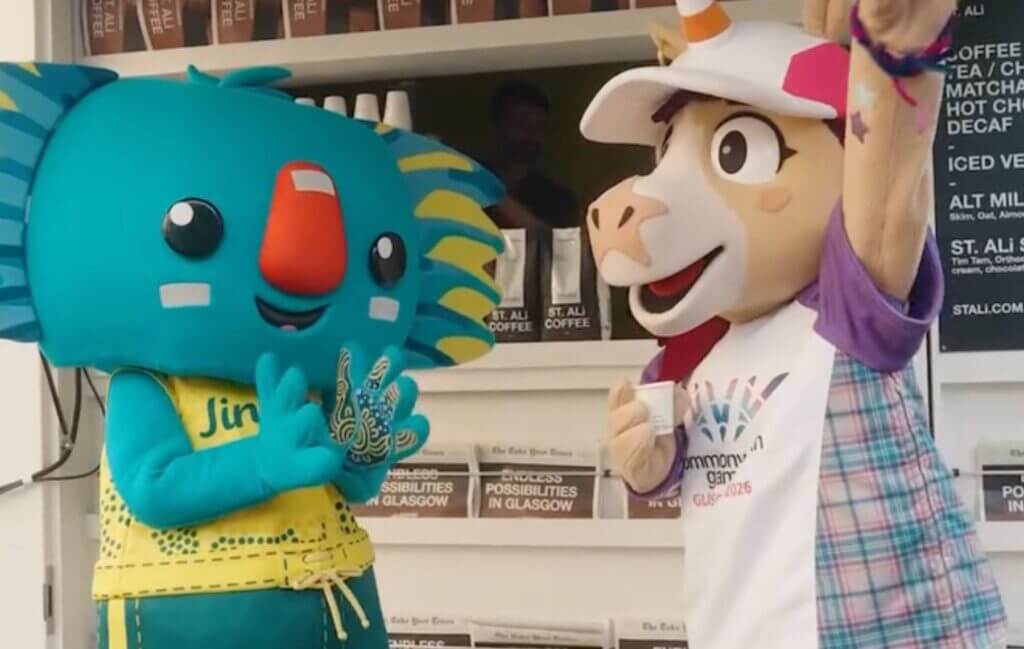
Glasgow stepped in as the replacement host, committing to a leaner, more affordable Games by reusing venues from 2014 rather than constructing new ones. As a result, competition will be held across just four venues within an eight-mile radius, making this one of the most compact Commonwealth Games in recent history.
While the scaled-back model has helped keep costs under control, it has also led to less sports being played, but the same level of excitement persists among players and fans.
India’s campaign: building towards Ahmedabad 2030
India has sent a 125-athlete contingent, including para-athletes, to Glasgow 2026.
Leading the squad are Olympic javelin champion Neeraj Chopra, Tokyo Olympic silver medallist weightlifter Mirabai Chanu, and world champion boxer Lovlina Borgohain. Chanu will carry the Indian tricolour while Borgohain will bear the ceremonial baton at the opening ceremony of the games.
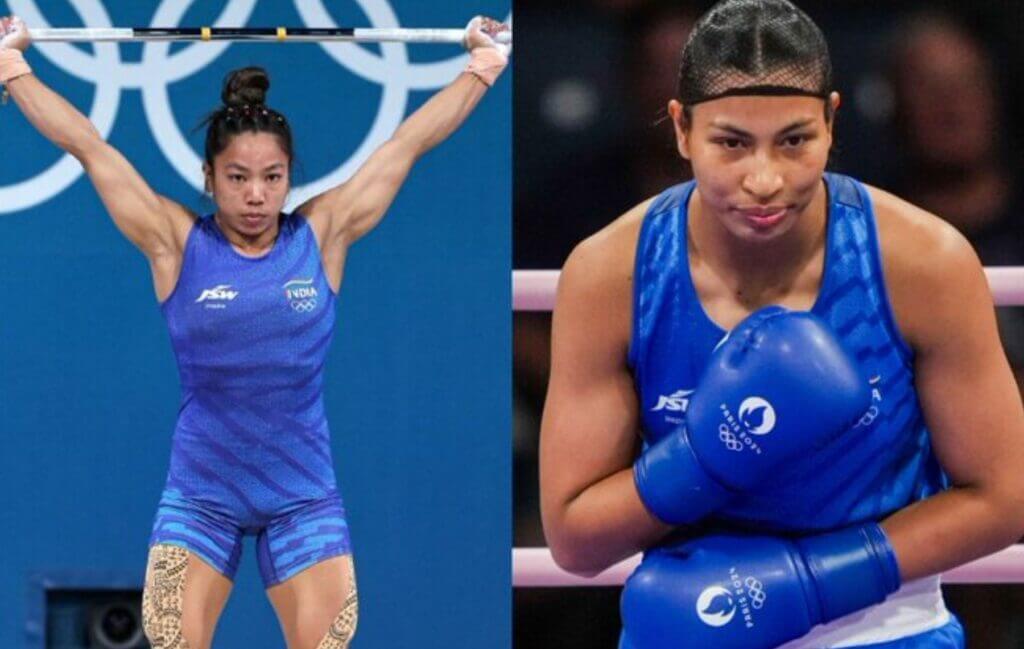
India won 61 medals at the Birmingham 2022 Commonwealth Games, finishing 4th in the medal tally. However, Glasgow 2026 presents a different challenge, with several of India’s strongest medal-winning sports including shooting, badminton, wrestling, and hockey missing this year.
Although the contingent is smaller, India’s biggest stars arrive in Glasgow with their eyes on the medals while also building momentum for the 2030 Commonwealth Games in Amdavad (Ahmedabad), the 100th anniversary (centenary) edition of the Games.
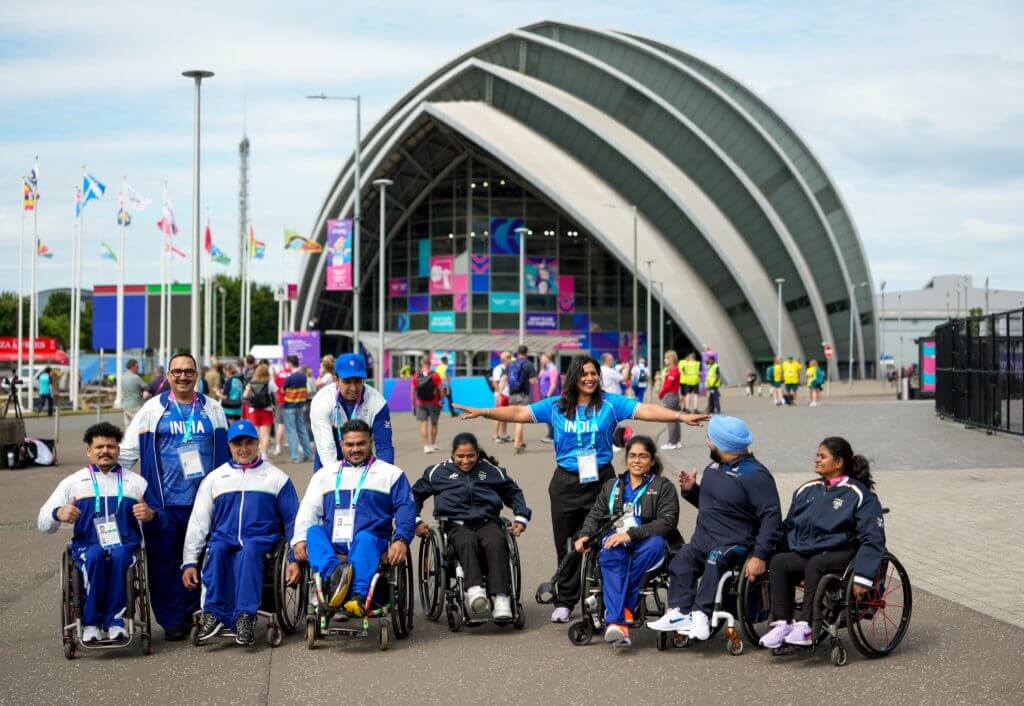
India will officially receive the Commonwealth Games flag at the Closing Ceremony on August 2, marking the formal handover as the host of the 2030 Commonwealth Games. The occasion will be celebrated with a cultural presentation led by singer-composer Shankar Mahadevan and Bollywood actor Rashmika Mandanna.
Australia: continuing a legacy of dominance
Australia returns for their 23rd consecutive Commonwealth Games, maintaining their record of appearing at every edition since the inaugural Games in 1930.They have also finished at the top of the medal tally at every Games since 1990, except for Glasgow 2014, when England claimed the top spot.
Australia remains a powerhouse in swimming, athletics, netball, and cycling, all sports that continue to feature prominently in Glasgow 2026. Among Australia’s biggest medal hopes are the Diamonds, who enter the Games as defending champions and favourites to retain their netball crown.
View this post on Instagram
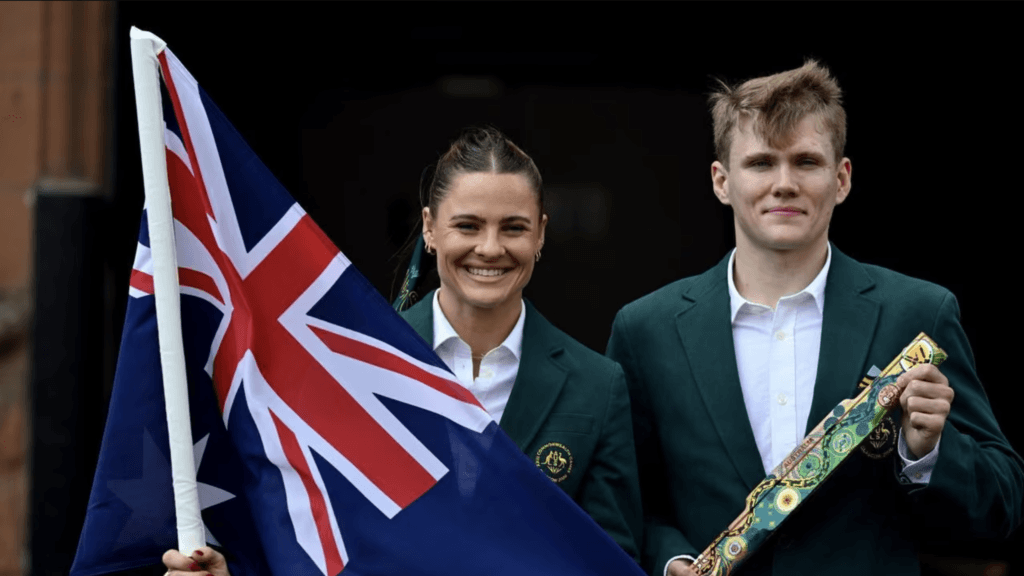
Australia has a 257-athlete contingent, including 60 members of the Dolphins swim team and 86 athletes competing in athletics, as they target another dominant top-of-the-table finish. Pole vaulter Nina Kennedy will carry the Australian flag alongside swimmer Tim Hodge, who will be Australia’s inaugural baton bearer at the Opening Ceremony of the Games.
With several Olympic and world champions in the squad, the Australians will again be a favourite across the pool, track, field, and netball court.
Why are so many sports missing?
One of the biggest talking points surrounding Glasgow 2026 has been the shorter list of sports.
Following Glasgow’s appointment as the replacement host, the 22 sport programme was reduced to 10 sports, alongside integrated para sport events, across the 11-day competition.
The sports featured are athletics and para-athletics, swimming and para swimming, 3×3 basketball and wheelchair 3×3 basketball, artistic gymnastics, bowls and para bowls, boxing, judo, netball, para powerlifting, track cycling and para track cycling, and weightlifting.
Among the biggest omissions are badminton, shooting, wrestling, and hockey, sports that have traditionally delivered many of India’s Commonwealth medals.
When Glasgow accepted hosting responsibilities at short notice, organisers prioritised sports that could be staged using existing venues and infrastructure. Specialised facilities required for shooting and wrestling were either unavailable or impractical to reinstate within the limited timeframe, while badminton and hockey were removed as organisers focused on delivering a financially sustainable Games.
While the absence of several popular sports means fewer familiar medal opportunities this time, these decisions reflect Glasgow’s unique hosting circumstances rather than any long-term shift in the Commonwealth Games.
Looking ahead to Ahmedabad 2030
Glasgow 2026 may be the smallest Commonwealth Games in decades, but it also offers an important blueprint for making major sporting events financially sustainable – the competition will still showcase world-class athletes, Olympic medallists, compelling rivalries, and the spirit of sport. For India, the focus will be on its biggest stars as they aim to add to their Commonwealth legacy while building momentum towards the centenary Commonwealth Games in Amdavad (Ahmedabad). For Australia, the Games represent another opportunity to extend one of the greatest records in Commonwealth sporting history. And for fans across the Commonwealth, Glasgow 2026 remains a celebration of sport, resilience, achievements and the enduring spirit of the Commonwealth.
The Commonwealth Games will be free to watch on Channel Seven, 7mate, and the 7plus streaming platform in Australia.