


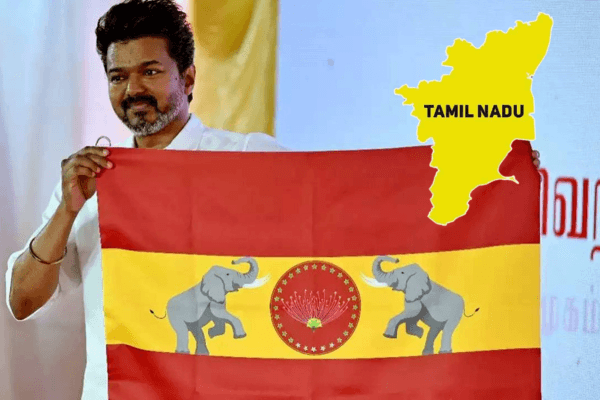

I watched the results of Tamil Nadu’s election from Melbourne.
Numbers glided like a live score; leads rose, dipped, then flipped again. Voice notes from home tried to keep pace as I kept refreshing my phone. On 4 May 2026, results day felt like an Indian movie scene: a public figure arrives, a crowd gathers, and the story unfolds.
Chandrasekaran Joseph Vijay, known as Thalapathy to millions, was at the centre of it all. Early results showed his party, Tamilaga Vettri Kazhagam, crossing the 100-lead mark. For a state that has switched between DMK and AIADMK for decades, this was a big change. These two parties have shaped most elections and influenced how people see government, social justice, and progress. Their long rivalry made them the main players in the state, so a new party breaking through that space is interesting.
For many of us in Australia, he is the actor who is everywhere. We watched Ghilli again and again, cheered for Thuppakki, and turned Mersal lines into moments for the crowd. There are the packed Hoyts screen and the loud first‑day show; someone convinces you to attend. You may not follow every film, but you know the excitement around him.
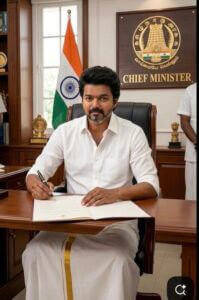
From acting to politics
And then, like many public figures in India, he stepped into politics.
This is not unusual.
Across the country, famous people move into politics. Whether they come from cinema, sports, TV, or business, their fame helps them get started in politics.
Tamil Nadu has seen this before. M. G. Ramachandran did it. J. Jayalalithaa did it. Vijayakanth tried his own path. Actors joining politics is nothing new here.
What matters is who Vijay Thalapathy managed to attract.
This time, things felt different. Friends who never cared about politics started paying attention, while people who usually ignored news debates checked seat counts. Even quiet cousins posted photos of their inked fingers, and group chats that once argued about biryani now tracked constituencies.
Vijay >>
That’s it. That’s the tweet. pic.twitter.com/h8S4XX3K91 https://t.co/5MmwjwyFnB
— Actor Vijay Team (@ActorVijayTeam) May 4, 2026
How did this shift happen?
Vijay made politics feel more accessible for many people, making it seem like anyone could get involved, even if only out of curiosity.
Vijay didn’t enter as a policy expert, but as someone everyone already knew. That’s his strength, but it’s also a risk.
People will keep asking tougher questions about Vijay’s policies. His party promised ₹4,000 a month to unemployed graduates and ₹2,500 to women. These are clear promises about income and support. But making them happen will need steady funding, so people will want to know where the money will come from and what the government will focus on. Large cash programs can strain the state budget if tax collections or grants do not rise at the same pace. Rival parties may question these plans in the assembly, which can slow the implementation of new schemes. His plans for education and jobs need strong links with industry. Colleges and training centres need funds, staff, and clear targets. Building these links takes time and cooperation from many sides. His stand on delimitation places him within a broader debate over how states are represented. That debate could shape how political power is shared across the region.
Ultimately, the long-term impact of this change will depend on whether promises are kept. If Vijay’s plans lead to real improvements, Tamil Nadu’s politics could change for years. If not, old habits might return quickly.
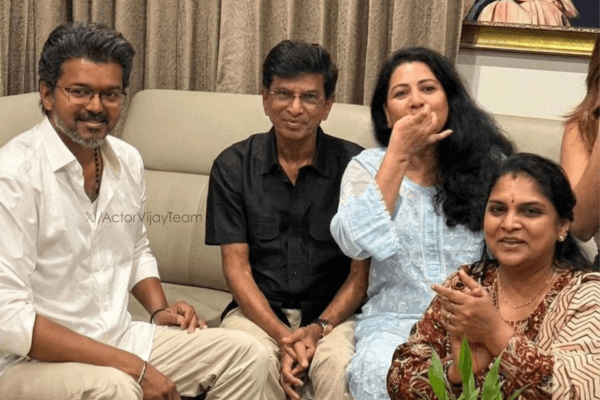
Can a more aware generation make up for a leader with less experience? Yes, but only if people turn awareness into action. This means questioning decisions, tracking promises, and staying involved after the election, as simply posting or debating isn’t enough. Accountability must be steady. Sustained public pressure and organised advocacy bring results: new laws, more budget transparency, and even reversal of unpopular decisions. When citizens follow up on promises and demand updates, leaders are more likely to honour commitments.
For now, Vijay Thalapathy has succeeded at one thing.
He got people to pay attention.
He turned interest into turnout. He brought new voters into the line.
But this moment, people awakening to politics, new voices lining up to vote, marks the beginning of a deeper transformation. Whether it endures will depend on what happens next, and whether those who turned up this time will stay engaged. For Tamil Nadu, and for those watching from afar, the stakes are higher now than ever before.
READ ALSO: Zohran Mamdani: Reaching beyond identity politics