



Bhutan travel
Something hit me as I stepped off the plane in Paro, Bhutan. It wasn’t the stunning rugged mountains nearby, topped with a faint mist, like something out of a National Geographic magazine. It wasn’t the emptiness of the airport, since our plane was the only arrival.
It was the stillness. The absence of sound, the lack of commotion, the complete serenity of the landscape. I felt isolated. Separated from the rest of the world. Like nothing and no one could reach me.
Bhutan is often called the happiest country in the world. The fact it measures its citizens’ Gross National Happiness (“GNH”) suggests it values this just as much as economic output: in the 1970s, Bhutan’s fourth king even said, ‘Gross National Happiness is more important than Gross Domestic Product.’
By the end of my trip, I realised just how true that statement was. Bhutan did seem to me the happiest country in the world – or at least of all the countries I have visited. The question, of course, is: how? I believe the answer lies in three things. Bhutan travel
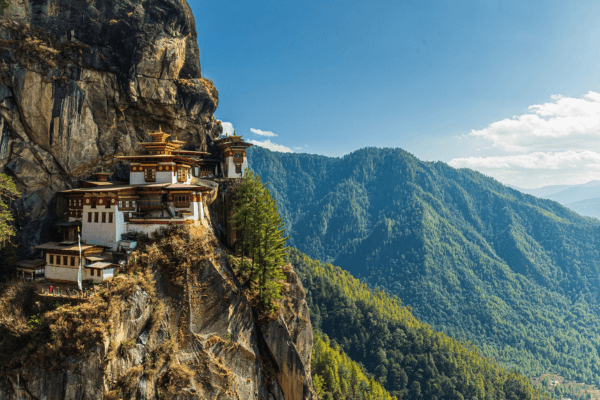
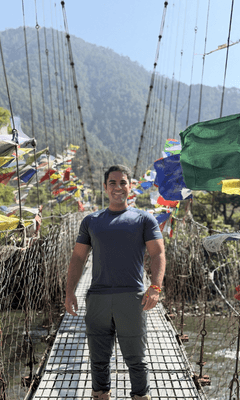
First, Bhutan is isolated, located at the base of the Himalayas, a 22-hour flight from Sydney. Seventy percent of their country is forested. My phone signal was patchy, so I received some news from the outside world, but not very much. Much of my time was spent hiking the Himalayan mountains, reaching sites like the Tiger’s Nest, a monastery built on a 900-metre cliff. I felt all alone.
But Bhutan is also isolationist in political and commercial ways. They recognise only 57 UN Member States, and have no diplomatic relations with the US, China, UK or Russia. Inside the country, Bhutan has no Western fast-food chains or noticeable commercialism. The country also operates a ‘high value, low volume’ tourism model, which requires visitors to pay a tax of 100 US dollars per day to see the country. Far fewer travellers go as a result; only 145,000 visited Bhutan in 2024, compared to over 7.63 million visitors that travelled to Australia that year. Bhutan locks themselves away from the outside world and seems all the happier for it.
Second, Bhutanese society is collectivist. Strangers offered me advice openly, providing souvenir recommendations and access to hidden tourist spots. The people greet each other with a warm smile.Bhutan travel
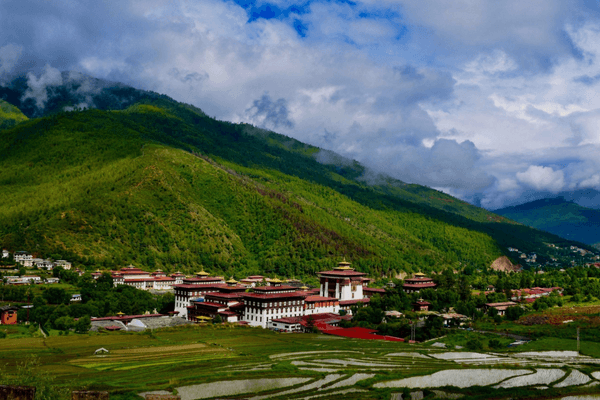
I didn’t just see that limited to tourists; the interactions I saw between locals on the street, who wouldn’t have known I was watching them, reflected those qualities too. Neighbours help one other freely with their time and resources. The people of Bhutan don’t see others as a threat, and like many South Asian nations, help is simply a part of their culture. Given the country only has 800,000 inhabitants, and their biggest city, Thimphu, has less than 2% of Sydney’s population, that willingness to help each other is much more noticeable.
The third is their religion. Around 75% of Bhutanese population practice Buddhism, which preaches self-fulfilment, wellness, calm and focus. The people really follow those preachings – not once did I see a Bhutanese local raise their voice or react angrily. They spoke slowly, thoughtfully, and with great care. Traffic and minor inconveniences did not frustrate them. Simply put, they are peaceful.
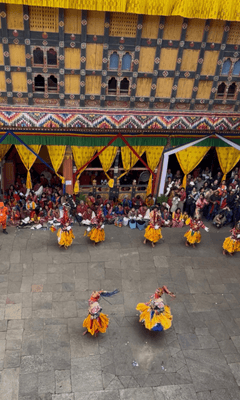
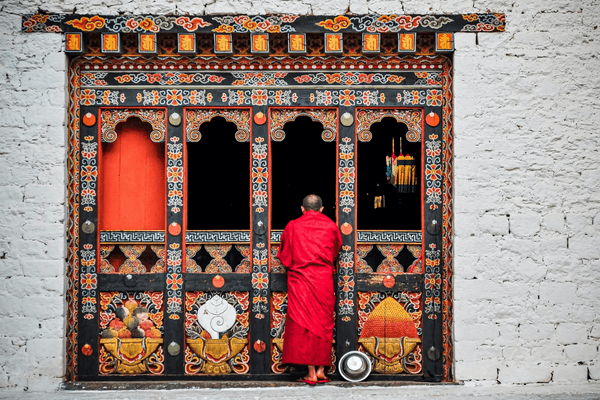
I was also lucky to be there during the “Paro Tschechu” festival, which honours Guru Rinpoche, the man who brought Buddhism to Bhutan in the 8th century. Hundreds of people descended on Buddhist temples (known as “dzongs”) to witness cultural dances, drink tea, and receive blessings. Buddhism, and the calmness it delivers, was in full swing. Bhutan travel
Sure, the people of Bhutan are happy. But I saw more than that in them; they are content. They don’t want for anything, at least outwardly. They are aware of what’s going on in the world – I got my daily updates on the Middle East conflict from the Bhutan Today newspaper – but they manage their emotions calmly and thoughtfully. Most importantly, they support one another. They share advice, food, stories and goods. If one person has a problem, the village finds a solution.
The Bhutanese approach to happiness can’t be adopted in Australia, but that doesn’t mean its individual elements shouldn’t be. We don’t need to be completely isolationist to lead healthier, less consumerist lives, nor do we need to be Buddhist to prioritise our wellness. In a time of fast fashion and political division, those are not easy decisions to make
But we can afford to be more collectivist as a community. With Australia having dropped five places in the 2025 World Happiness Report, practices like helping others in need, showing kindness in adversity, and thinking through one’s actions before performing them are worth attempting. They worked for the Bhutanese and could well work for us.
Perhaps we might better understand what it means to be content.
READ MORE: Vanuatu: More than a tropical getaway