

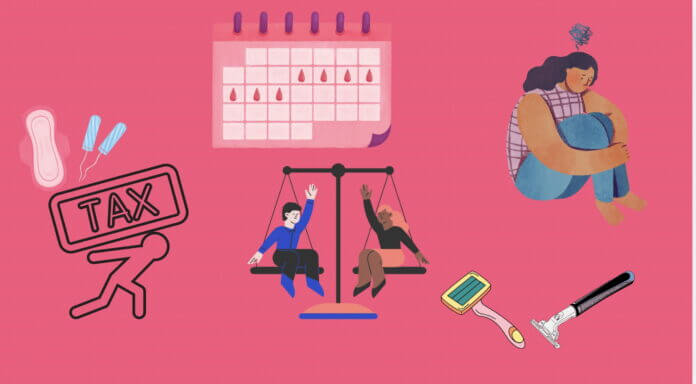
pink tax
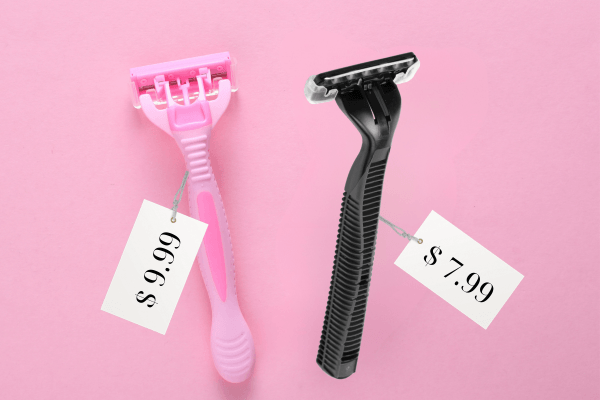
Walking out of the store after buying a razor as you usually do, you notice that the man in front of you is also buying a razor, but somehow, it is two dollars cheaper. The only difference? His is black and yours is pink. pink tax
This is an example of the pink tax. No, the pink tax is not an actual tax, but a practice that puts women at a financial disadvantage.
According to a study conducted by Moneyzine in 2023, women pay an average of 7% more for products similar to those for men, and 42% of women-marketed products cost more. In the kids’ sections of stores, “girls” products are priced at an average of 7% higher than “boys” products, highlighting the gender disparity that is embedded into society from a young age.
This signifies that gender inequality cuts across age, merit and circumstance, revealing how deeply entrenched such disparities remain. The pink tax starts with pricing products higher that are targeted towards “girls” and eventually develops into broader economic disadvantages for women.
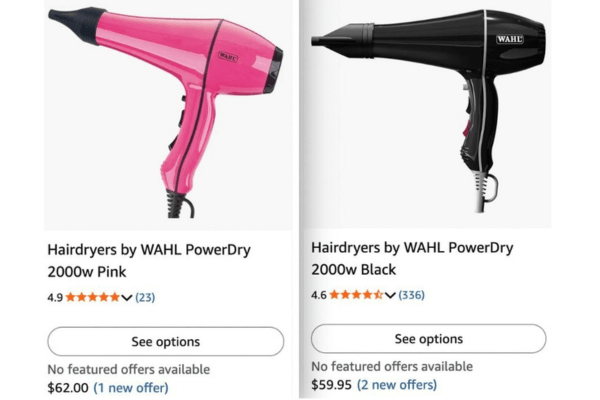
Attempts to reverse this narrative have been made, as seen by key legislative changes. For example, pricing “substantially similar goods” differently for men and women, under New York and California jurisdictions, would be recognised as breaking the law. Similarly, 2019 saw the Australian Government officially removing the mandatory 10% GST from sanitary products. Various locations around Sydney also have free sanitary products including some public bathrooms, libraries and university campuses like the University of Sydney and University of New South Wales. Legally-binding changes via legislation are crucial when it comes to broader societal issues as they pose an actual risk for wrongdoers. The Women’s Budget statement released on May 12, 2026 notably highlighted continued funding, particularly for maternal health, including National Breastfeeding Helpline and National Preterm Birth Prevention Program.
Acknowledging efforts regarding the seemingly never-ending abyss of gender inequality is important. But, it is even more important to note that this is not enough. Pink tax and period poverty are closely related, arguably the former significantly leads to the latter. The “Bloody Big Survey” 2024 showed that 64% of menstruators in Australia could not afford period products or had difficulty doing so due to costs. Without wider implementation and recognition of these issues, true reform is dawdling.
Ultimately, this raises questions about how truly intertwined systemic oppression is for women. We can continue to live in blissful ignorance that things are completely amended. An investigation on Indian consumers published in the Journal of Management Research and Analysis in 2025 showed that 72% of respondents were not aware about the pink tax.
Women are expected to meet a range of social and hygiene standards – from hair removal and cosmetics to managing menstruation, which itself often requires multiple products, depending on individual health and hormonal needs. Yet many of these products, whether socially imposed or biologically necessary, are priced higher for women. Combined with a persistent gender pay gap, the result is a frustrating imbalance: women are often paying more while earning less. (Australian Bureau of Statistics figures released in February this year show the national gender pay gap is currently at 11.5%.)
Appalling statistics and the repetition of deeply ingrained misogynistic patterns may spark outrage, but outrage alone rarely creates change. So what can actually be done? To better understand the work happening on the ground, I spoke to people actively trying to make a difference.
Safe N Happy Periods is an India-based non-profit organisation working towards period literacy for women as well as donating products to those in need. “Donations do not have to be very high,” a representative said. “Even sponsoring period products for one girl for a month can make a difference.”
Yet, they stressed, donating is about more than just money. “Just the act of donating pads helps people realise that there are underprivileged women and girls who simply cannot afford them.” In many cases, volunteers step in to provide products themselves when donations fall short – a quiet but powerful reminder that real change is often driven by persistence and empathy rather than grand gestures.
This is not to say that if you do not donate to a cause you cannot make a change. Not everyone can donate, and that is reasonable. Aid, however, extends beyond monetary goodness. Acknowledgement of unfair patterns that catalyse crucial social movements result in necessary changes as seen historically. We can make a change by an act as rudimentary as challenging something we see on a day-to-day basis, like the pink tax. As a matter of fact, some of the greatest social change has come by questioning society, like Rosa Parks challenging racial segregation, triggering the US Civil Rights Movement. So, I would like to ask, Why is the pink razor more expensive than the black one?