

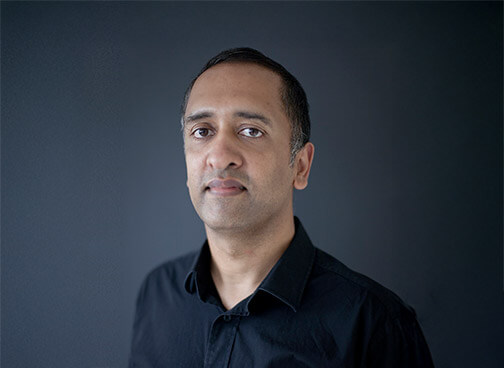
UNSW scientist Ashish Sharma
Water, water everywhere…not any drop to drink! Indian-born engineering hydrologist Ashish Sharma believes the world is hurtling towards a future where floods become fiercer, droughts more unforgiving, and water insecurity increasingly determines geopolitical power.
“A global water crisis means increased water insecurity which means less secure water supply for irrigation and human consumption and more intensified floods due to added moisture coming down in extreme storms worldwide,” UNSW Sydney Prof. Sharma told Indian Link. “To add to this is also an increased demand for water supply because of an increased population base that expects more water security. Put all this together, and one has the makings of a global water crisis.”
The warning comes as the University of New South Wales scientist receives the prestigious 2026 Arid Lands Hydraulic Engineering Award from the American Society of Civil Engineers for his pioneering work on water security, flood forecasting, and hydrological extremes.
The problem at hand
The crisis is no longer theoretical, as Sharma rightly points out.
It is already unfolding across countries like India and Australia, where communities are increasingly trapped between devastating floods, bushfires and severe droughts.
“More intense floods are an expected outcome as a warmer atmosphere stores more moisture which is then released in a more intensified storm,” he said. “And, a warmer atmosphere also dries soil moisture which means there is a tendency towards the drier soils that create the extreme agricultural droughts one is worried about.”
Sharma’s research focuses on predicting hydrological extremes in an era where climate change is rendering decades-old infrastructure assumptions obsolete. Water systems worldwide, he explained, were designed using historical patterns that no longer hold true.
“In the past, systems (such as water supply) were designed with the expectation that these extremes will occur with a certain defined frequency. This was factored in when building these systems and managing them,” he explained.
“The change in extremes has made all these existing designs insufficient,” he said. “The water infrastructure that allows us to host a population of nearly 5 million in Sydney is now at a heightened risk of both water supply failure and flood failure. And this is happening everywhere across the world.”
In deep water
Born and educated in India before building an internationally recognized academic career in Australia, Sharma credits his foundations to India’s rigorous engineering institutions. He studied at the Indian Institute of Technology Roorkee in western Uttar Pradesh located in the historic canal town built around the Ganga Canal system.
“Roorkee is a small town created in 1837 to train engineers to build the Ganga Canal, which is often credited as the reason why the North and North-west produce as much grain as they do,” he shared.
“But perhaps, more than the town, it was the basics of Maths, Physics and Chemistry that were grilled in so deep to all students, that they allowed most to excel in whichever fields they specialized in,” he added.
Over the years, Sharma has emerged as one of the world’s leading hydrologists, with his research influencing global conversations around climate extremes, flood forecasting, and water security.
His work increasingly intersects with artificial intelligence and satellite technology, particularly in remote regions where river flow monitoring infrastructure is limited or non-existent.
“I believe in the year 2126, a century from now, flows would be monitored through much better technologies than what we have been using in the past,” he said. “It is the lack of flow observations that creates insecurity in remote regions, as one does not know how to engineer relief as there is no record for how high or low the flows have been.”
Satellites will form a key part of flow reconstruction into the future, he predicts.
But while technology may improve prediction systems, Sharma warns that governance failures continue to cost lives particularly in poorer and remote communities.
“Remote and underprivileged communities are less vocal about needing the latest technology that can help build effective warning systems,” he said.
A sea change is needed
Prof Sharma noted that Australia remains among the better protected nations globally when it comes to water disasters, but stressed that many developing nations remain dangerously vulnerable.
“One must think of the thousands who die year after year in underdeveloped, remote settings across the world because warning systems are poor and governance even poorer,” he highlighted.
For India specifically, Sharma believes the bigger challenge may not be changing monsoons alone, but whether existing infrastructure can withstand a rapidly intensifying climate.
Against the backdrop of today’s geopolitical tensions over oil, Sharma believes future global conflicts will increasingly be fought over water instead.
“Water is what the United Nations has said will be the biggest source of conflict in this and the next century,” Sharma said.
Governments still have the power to reduce suffering, Sharma hopes.
“I believe publicly documenting water insecurity at a community level along with interventions that have been put in place, is the first step for dialogue on what needs to be done,” he added.
He points to the stark realities already visible in parts of India.
“This includes water insecurity in terms of quality, with children as young as 12 being operated in many coastal villages in India for kidney stones due to the well water they have access to,” he said. “This needs to be known and questions asked as to how this will be addressed over time.”
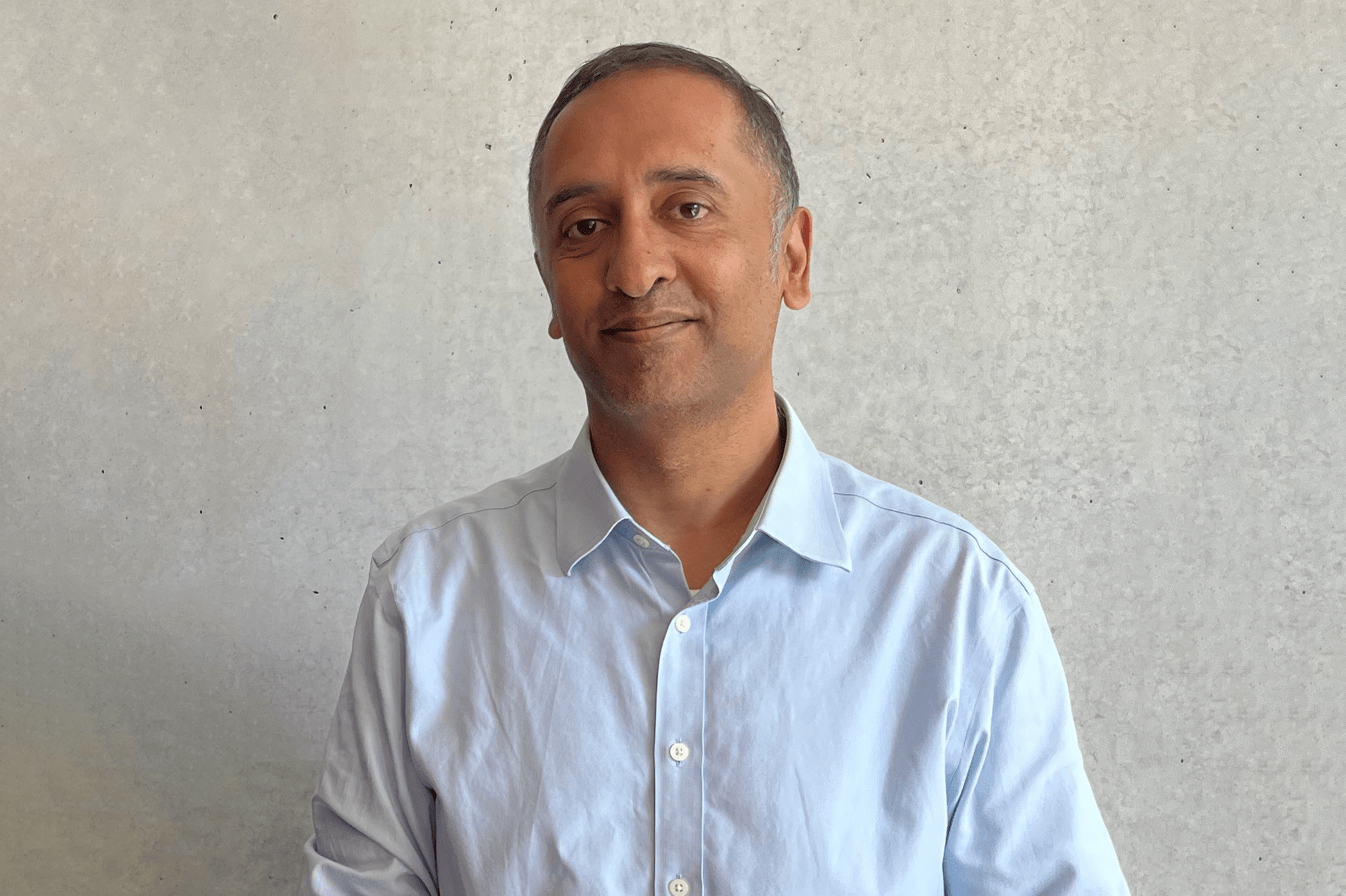
UNSW scientist Ashish Sharma
Read More: The shelf life scientist: Prof Zora Singh wins world honour in horticulture