The mid-year holidays are upon us and it is timely for parents to ask how to approach the break from the point of view of their children. Holidays are necessary for breaking routine, refreshing the mind and relaxing. However, they can also be an opportunity for students to discover a new balance between rest and effort.
All students tend to look forward to the idea of a holiday. The school term can vary in length between seven to twelve weeks. Students and their teachers look forward to a break from the early morning starts and the fullness of the term. Holidays usually provide a complete break from school. The exception may be that some schools provide activities and structured support for students in senior years. These schools might offer study revision classes or time when major works for particular subjects such as Art and Design and Technology can be completed. It is also possible that schools offer holiday care for students to help working families.
The question that should be asked is whether a complete break from study is, in fact, the best use of holiday time.
Family time
A recent study in Taiwan asked parents what they value most about school holidays. Taiwanese students are currently on summer holidays. When planning for the holidays, parents in Taiwan firstly budget for family time. That is, they first allocate money and time for a holiday with their children. Interestingly, their second consideration is private tuition and study camps. This means that once the joint holiday part of the school break is over, the parents expect their children to engage in some structured study, despite being on holiday.
Source: Canva
Balancing time
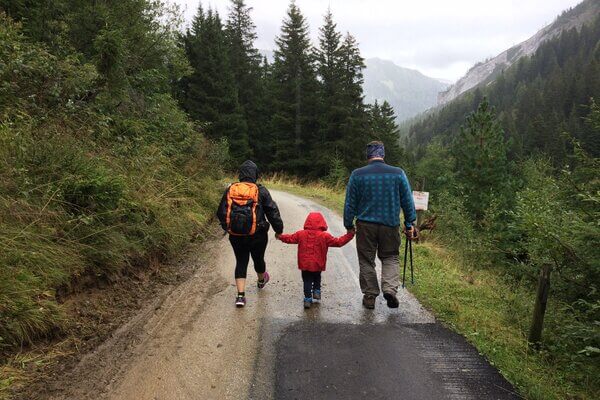
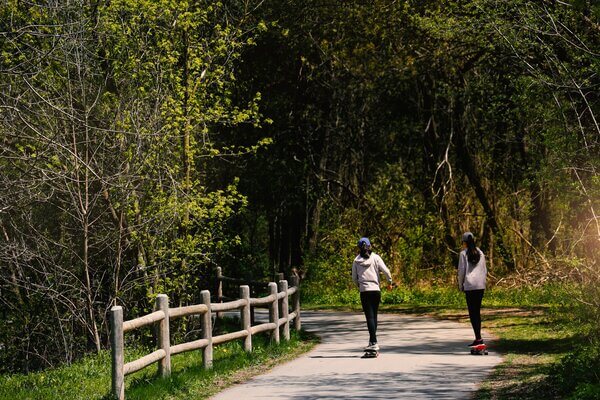
A balanced approach to the holidays includes a mix of complete rest and relaxation, some physical activity, some reading, some mental exertion and some recreational and social time.
Students should be allowed to have some complete days off to do as they like – sleep in, watch television, play electronic media, socialise with friends and relax. However, once a few days have passed, depending on the age of the student, it is appropriate to expect that one to two hours of academic work be done on each weekday. This might include an hour of reading, some time revising past notes, doing practice questions, expanding their reading and revising of schoolwork covered in the school.
Source: Canva
Focus is the key
A crucial issue with respect to holiday work is how to focus. Students might feel like it is very unfair or difficult, to concentrate when they are on holidays. There are several strategies that parents can adopt including a discussion about the need to balance between rest and work, as well as to encourage children to take advantage of this time to think and integrate concepts and learning, and to provide a chance to set goals and feel the personal reward of achieving them.
Balancing work and rest
In the study of organisational psychology there is an understanding that too much work can cause distress. But too little work can be stressful as well. The optimal level of stress is called ‘eustress’ and in this range of stress, people perform to their optimal capacity. Students who rest too much or work too much will tend to become stressed easily when pressured by the idea of study. However, a small amount of study, some physical activity, some socialising with friends – these are perfect days. Students who study and then play cricket, watch a movie, go shopping or spend times with friends are much more likely to feel like the leisure is well-deserved and therefore more highly valued.
Source: Canva
To help children find value in appreciating the benefit of some structured study time, parents can start by teaching them about goal setting.
If asked what they would like to achieve, many students might shrug uncertainly, or they might say something extremely likely to make their parents proud such as becoming a doctor, lawyer or pharmacist. Some might cheekily say they would like to be a Bollywood star or even a famous millionaire. The reality is that achievable, but challenging goals drive the best performance. When the goals come from within the child, they are a source of inspiration, energy and focus.
Parents can help children focus on goals by helping them understand their strengths, listening to and sharing their interests, and by showing them how goals can be broken down into a series of small, manageable steps.
Goals can be negotiated at the start of the holidays in order to make the most out of the holidays. These can include some goals for how much recreation, social time, family time and also study time can be expected over the holidays.
Predictability, structure and order
Even during the holidays predictability, order and structure are important. This is because to study for an hour or two a day requires some planning and discipline. If the study is done early in the day, a child can feel a sense of achievement and personal satisfaction, and enjoy the rest of the day with a great sense of accomplishment.
iPhone and iWon’t
There are very many distractions for students when they try to concentrate. Primary amongst these is ready access to electronic media and social networking sites such as Facebook. An aspect of holiday discipline is to help students wean themselves off constant access to the phone, music and the internet. Surprisingly, they might find that they actually remember more, get more study done in less time, and start to intrinsically enjoy learning. The phone, music and internet will still be there in an hour!
Source: Canva
Holiday revision courses
One way for older students to spend productive time during the holidays and also to meet other students is to attend holiday revision courses. Spending time at such courses can help students revise material already covered in school or to introduce areas of study that will be covered. This exposure can take stress off term time. A disadvantage of these courses is that they can be expensive or require travel. An advantage of the courses is that they can help to provide focused and supported study time. Furthermore, they can be very affirming for students, especially if they already know the content and realise that they are learning strategies for applying the skills and knowledge that they already have.
Hitting the ground running
Students who take a few days off from all study and thereafter integrate a small amount of disciplined study into each weekday of their holidays will be doing themselves a great service. They will feel rested and relaxed whilst also ensuring that their mind is active, and they will be exercising their thinking. With some physical activity thrown in, you can have the perfect break.
Teacher: If you had 10 chocolate cakes, and someone asked for 3.75 cakes, how many would you have left?
Student: 10 cakes
Teacher: Okay then, imagine if someone forcibly removed 3.75 chocolate cakes from you, then how many would you have?
Student: 10 cakes and a dead body.
It’s said that nine out of ten people like chocolate, and the tenth person lies.
I’ve always wanted to try one of the chocolate barfis from the big silver-tray tiered windows in the Indian shops, but Mum always says “Chocolate barfis are terrible!” (I think she just had a bad experience with them at some point…) and it got me thinking about how many different ways there are that we consume chocolate – in a drink, in ice-cream, fruit smothered in it, the topping for bars and slices and the easiest and probably ‘favouritest’ block or bar.
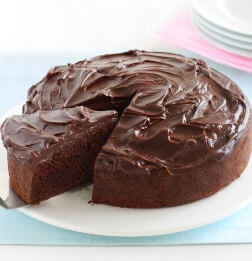
Chocolate cakes were probably the first thing I learned to make (with help from my friends Betty Crocker, Greens and White Wings) and it is said that everyone should have a good chocolate cake recipe in their repertoire.
But now, like with phones and computers, there are so many different new modern types!
I’ve heard of chocolate mayonnaise cake (apparently this gives a rich and dark texture and not a taste of mayonnaise), chocolate cake with beetroot (how healthy is that?!), chocolate cake with oatmeal, chocolate chilli cakes, and even weird extremes like vegan chocolate avocado cake (not sure about that last one…).
Here are some recipes that our family loves.
Chocolate Mug Cake is a ‘lazy’ dessert – easy, simple and quick to make, fun to eat on a cold night as you sit around in your PJs watching TV. (The recipe provided here serves one person only: you’ll find, as I did, when you make this more frequently, that everybody will want their own mug, so beware).
The Chocolate Beetroot Cake has little flour and butter (the Chickpea Cake none at all), so you can convince yourself that it is a healthy alternative! This cake comes out fudgy and a looking bit under-cooked, but the taste is light and moorish.
Chocolate Mug Cake
4 tbsp flour
2 tbsp sugar
2 tbsp cocoa
1 small egg
About 3 tbsp milk
3 tbsp butter or margarine melted, or vegetable oil.
½ tsp vanilla extract
1 tbsp choc chips
1 large mug
Mix the dry ingredients together in a mug
Crack an egg and add it to the mug. Be sure to mix it well to avoid pockets of flour in the corners. Pour in the milk, melted butter/oil and vanilla extract and mix well.
Pop your mug into the microwave for about 2-3 minutes on maximum power, depending on your type of microwave. You’ll know when it’s done when the cake stops rising and sets in the mug.
Run a knife around the sides of the mug, and tip the warm cake out of the mug and onto a saucer.
Chocolate Chickpea Cake
2 tbsp cocoa powder
2/3 cup chopped dark cooking chocolate
1 x 375g can chickpeas, rinsed and drained
4 large eggs
1/2 tsp vanilla extract
1/2 cup granulated sugar
1/2 tsp baking powder
1/2 tsp salt
Preheat oven to 180 degrees. Grease and line cake pan
Melt the chocolate, either in the microwave (remember to stir between intervals) or over the stove.
Puree chickpeas, eggs and vanilla until smooth. Add sugar, baking powder and salt and blend to combine.
Add melted chocolate and blend to combine, scraping down sides of bowl well as necessary. The batter will be thick. Transfer into prepared pan and bake until knife inserted in centre comes out clean, about 1 hour depending on the strength of your oven.
Allow cake to cool for 15 minutes on wire cooling rack. Dust with icing sugar just before serving.
Chocolate Beetroot Cake
This cake comes out really rich and moist and you’d never guess it was low fat, but there is no butter and almost no flour. Definitely use the best quality chocolate you can buy.
250g good-quality dark chocolate
250g raw beetroot, peeled and finely grated
250g light brown sugar
40g self-raising flour
40g plain flour
3 eggs
2 tbsp maple syrup
2 tbsp honey
¼ tsp bicarbonate of soda
¼ tsp salt
1 tsp vanilla essence
25g cocoa powder
50g ground almonds
100ml strong black coffee
30ml vegetable oil
150g good-quality dark chocolate
3 tbsp strong black coffee
1 tsp vanilla essence
3 tbsp clear honey
Preheat oven to 180 degrees.
Melt the chocolate over a pan of simmering water, then let cool.
In a large mixing bowl, beat the eggs with the sugar, vanilla, maple syrup and honey for three minutes with an electric hand till fluffy.
Add in the flours, bicarbonate of soda, salt, cocoa and ground almonds.
Remove moisture from the grated beetroot with some kitchen paper. Add in the beetroot, cooled chocolate, coffee and oil and mix together.
Pour the mixture into a greased round cake tin and cook in the middle of the oven for 1 hour 30 minutes. After this time, cover the cake with foil and bake for another 30 minutes.
To make the topping, melt the chocolate in a bowl over a pan of simmering water, then remove from the heat and add the coffee and the vanilla essence.
Set aside to cool for 15 minutes before icing the cake. Cut the cake through the middle and ice it in the centre and on all sides.
For an extra punch, add pomegranate or raspberries for the topping.
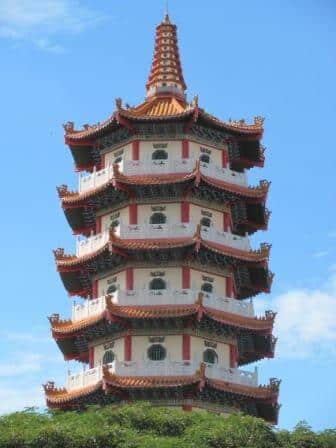
Kota Kinabalu, or ‘KK’ as it is affectionately known, is the capital of the Malaysian state of Sabah on the island of Borneo, only a short flight away from Kuala Lumpur or Singapore.
Kota Kinabalu traces its beginnings to 1882 when an outpost was established by the British, and then a settlement at a fishing village renamed Jesselton after Sir Charles Jessel, of the British North Borneo Company. To liberate North Borneo from Japanese occupation during World War II, Allied Forces heavily bombed Jesselton, leaving only three buildings standing!
Today Kota Kinabalu is a modern utilitarian city with a compact downtown area of restaurants, cafes and shopping centres predominantly constructed from concrete with streets arranged in a grid pattern that, while lacking in architectural merit, are ideal for walking. The lively waterfront is pleasant where in the evening you’ll find open air hawker stalls cooking up a feast of noodles or freshly caught seafood in giant woks. On Sundays, Gaya Street lined with restaurants and Chinese apothecaries, becomes a fresh produce and handicraft market, while nearby Australia Place named after the Australian soldiers stationed here during World War II, has backpacker accommodation, restaurants and numerous bars. Sabah Museum and the Atkinson Clock Tower are also well worth a visit.
It’s not long before visitors are charmed by the relaxed, friendly locals, the lively atmosphere of its markets and waterfront, and close proximity to attractions for day excursions. My daughter Nicky and I visited three of the five idyllic islands at nearby Tunku Abdul Rahman Marine Park reached by an exhilarating speedboat ride 30 minutes away. While the islands have pretty beaches, bays and sandy coves fringed by coral reefs where you can go snorkelling, the diving sites don’t compare to those found at islands such as Mataking, off Sabah’s east coast. Sadly illegal dynamite fishing destroyed much of the coral.
Reviving the tradition of a bygone era, the North Borneo Railway is a delight. British administrators who came to Borneo in the 1880s paved the way for the opening up of land for cultivation of tobacco, sago, tapioca, pineapples and rice, and construction of the rail line commenced in 1896. The five restored carriages are decorated in timber panelling, the exteriors painted green and cream.
Passengers join the train at Tanjung Aru Station receiving a ticket and passport as a keepsake of their journey. The vintage steam locomotive is one of the last in the world fuelled by wood. The engine is stoked with timber and the whistle blows to sound its departure. With the windows open, we waved at locals as we passed by picturesque lush tropical scenery, paddy fields, mangrove swamps, beaches and villages. Several stops were made to explore a Chinese temple and the small town of Papar, with a vibrant local market selling exotic fruit and vegetables.
Breakfast is served on board with coffee, assorted pastries and croissants; while on the return journey, the Tiffin lunch with compartments stacked high with an assortment of curries was a treat.
At the Shangri-La’s Rasa Ria Resort we spent several enjoyable days cocooned in paradise. With no shortage of activities, I spent my time on jungle walks, took an evening river excursion in search of fireflies and met the well-cared-for orphan orang-outans undergoing rehabilitation in the resort’s nature reserve. I also caught a local bus to visit the nearby town of Tuaran Town with a temple and fresh produce market, while Nicky spent her time relaxing by the poolside, the tropical climate well suited for indulgent lazy days.
Tanjung Aru, with a pleasant beachside setting overlooking the South China Sea is worth a detour for the great buffets at the Shangri-La’s Tanjung Aru Resort. Excursions nearby to Kota Kinabalu also include whitewater rafting, visiting hot springs, viewing the world’s largest flower, the Rafflesia, or hiking on Mount Kinabalu. Instead we headed east, ending our stay in Sabah on Mataking Island, located near Sipadan Island, one of the 10 top dive sites in the world. After a day out snorkelling, sighting turtles, rainbow coloured fish and reef sharks, we returned to find a large monitor lizard lying at the bottom of our Jacuzzi! Borneo is one of the most dramatic and exciting destinations you will ever experience, and Kota Kinabalu provides the perfect gateway.
Travel Notes
Kota Kinabalu, Malaysia
Getting there From Singapore, Kota Kinabalu is a short flight away (Silk Air or Air Asia). From Kuala Lumpur, you can fly to Kota Kinabalu, Sandakan or Tawau (Malaysia Airlines or Air Asia).
Where to stay North of Kota Kinabalu, the Shangri La’s Rasa Ria Resort, provides luxurious accommodation with impressive service and attention to detail. Our slippers fitted us perfectly (a rarity since I am usually presented with a huge pair), and our fruit bowl was replenished frequently. The deluxe wing is worth the splurge for the extras, including exquisite chocolates. The hotel offers a comprehensive programme of activities with an environmental focus. Website: www.shangri-la.com
Shangri La’s Tanjung Aru Resort and Spa set in a spacious tropical garden by a beach provides close proximity to the airport and has an impressive tribal art collection. Website: www.shangri-la.com
The Hyatt Regency Kinabalu is centrally located with several shopping centres just metres away and great views overlooking the South China Sea. Rooms that include access to the Club Lounge are worth the extra. Drinks and canapés in the early evening was a trip highlight. Website: www.kinabalu.regency.hyatt.com
Mataking Reef Dive Resort is lovely, the accommodation luxurious, with Tawau only a short flight from KK (MAS or Air Asia). Website: www.mataking.com
Where to eat Hawker markets are lively, great fun and provide an excellent introduction to Malaysian cuisine. KK is one of Malaysia’s most ethnically diverse cities, reflected in the variety of cuisines available including Malay, Indonesian, Filipino, Chinese, Indian and local dishes from Sabah, including jungle ferns.
More information
With a favourable exchange rate, Malaysia represents exceptional value for money. Even at high-end resorts, room rates, meals and excursions are very reasonable.







 Kota Kinabalu, or ‘KK’ as it is affectionately known, is the capital of the Malaysian state of Sabah on the island of Borneo, only a short flight away from Kuala Lumpur or Singapore.