




It was a Tuesday morning when 15-year-old James came to see me with his mother. She was worried about his cough. He had always enjoyed playing rugby, but recently he was getting breathless during training. At home, he seemed restless and unsettled. His teachers had mentioned he was struggling to focus in class. adolescent vaping
They thought it was a lingering virus.
After some gentle questions, James admitted he had been vaping for several months. What started as trying it with friends after school had slowly become a daily habit. He did not realise the vape contained nicotine. Now he felt restless if he went a few hours without it.
This is not a rare story. I am seeing more teenagers across Sydney with similar patterns. Many parents are caught off guard. Some are unsure how worried they should be about adolescent vaping.
What exactly is vaping?
A vape is a battery-powered device that heats a liquid and turns it into a mist that is inhaled. Many devices look like highlighters or USB sticks, which makes them easy to hide.
While therapeutic vapes can be supplied through pharmacies under medical supervision, most of the products teenagers access are illegal and unregulated.
Parents are often surprised to learn that vaping liquid is not simply water vapour. Studies have found that some products contain:
- Nicotine, which is highly addictive
- Chemicals that are also used in glues and plastics
- Substances that can irritate and inflame the lungs
- Heavy metals such as nickel and lead
Even products labelled nicotine-free have frequently been found to contain nicotine.
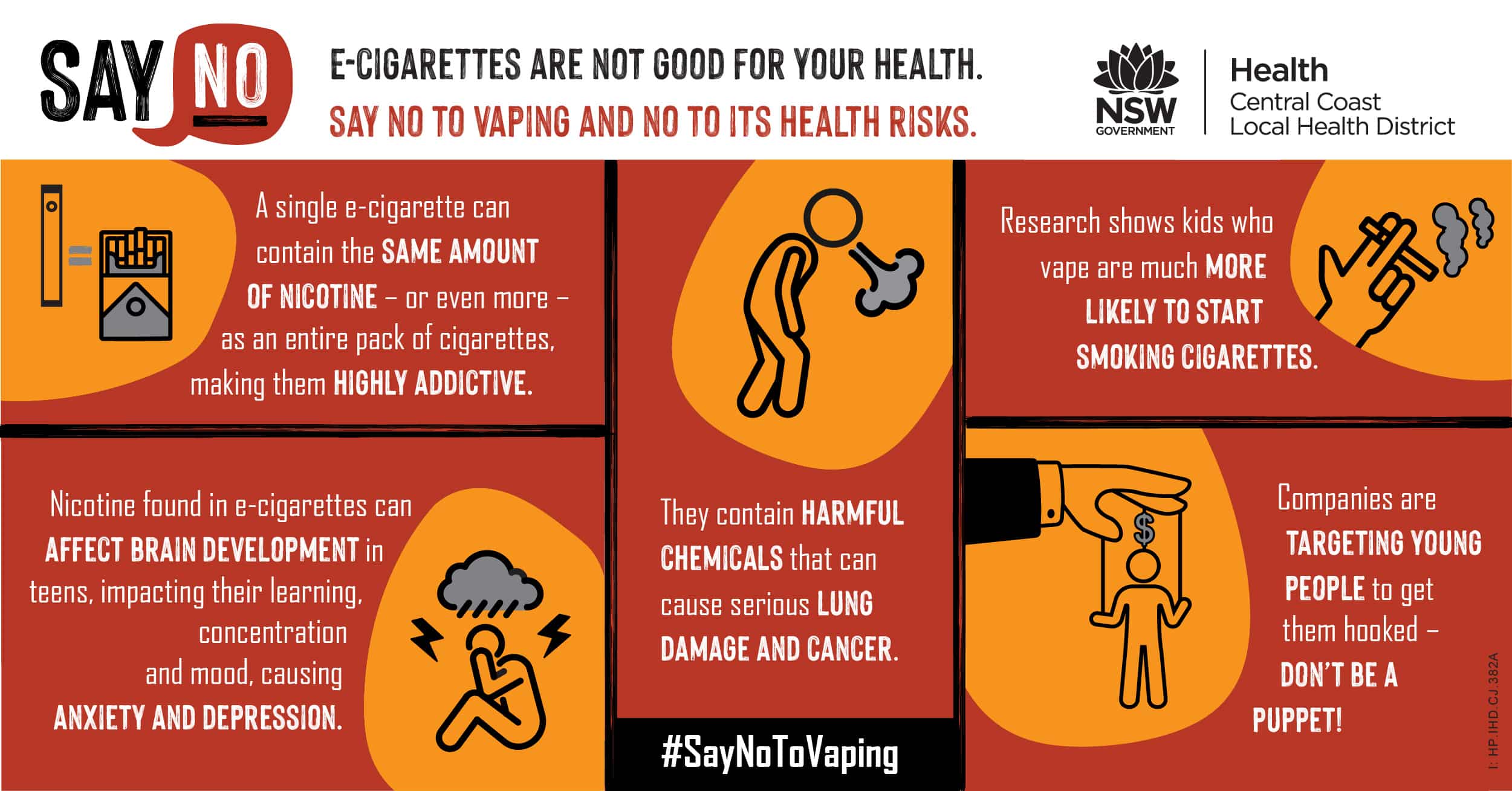
Reliable information for families is available through the Therapeutic Goods Administration vaping hub.
How vaping can present in teenagers
In real life, adolescent vaping does not usually present as a dramatic emergency. Instead, it appears in quieter ways.
I commonly see:
- Persistent cough
- Shortness of breath during sport
- Worsening asthma
- Headaches
- Poor sleep
- Mood swings
- Difficulty concentrating at school
Nicotine affects the developing brain. The teenage brain continues maturing into the mid-twenties. Regular nicotine exposure can affect attention, memory and emotional regulation. Some young people report feeling more anxious or low in mood over time.
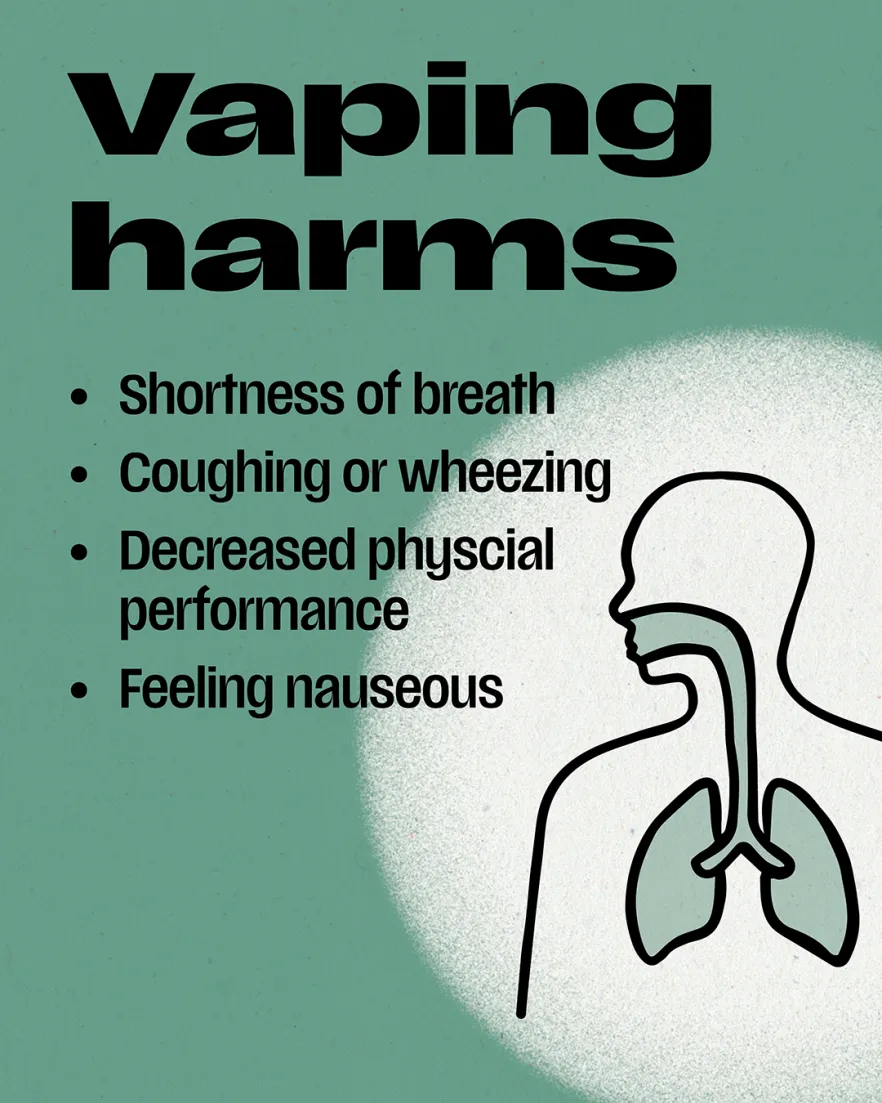
Importantly, many teenagers who vape do not see themselves as “addicted” until they try to stop and realise how difficult it is.
Why are teens vaping?
When I ask young people why they started, the answers are usually simple.
- Their friends were doing it
- They liked the flavours
- They believed it was safer than smoking
- They did not think it contained nicotine
For many teenagers, vaping is about fitting in rather than rebellion. The packaging and online exposure can make it seem harmless.
What does the law say?
Australia has introduced strict laws to reduce access to vapes for young people.
- Adults aged 18 and over can access therapeutic vapes from pharmacies with health professional guidance
- Those under 18 require a prescription
- Most vapes sold in convenience stores are illegal
Parents can find practical advice here.
State-based information is also available through NSW Health.
How parents can respond
Finding out your child is vaping can be upsetting. The first reaction is often anger or fear. However, the way the first conversation is handled can shape what happens next.
Instead of saying, “Why would you do this?” Try, “Can you tell me what made you start?”
Many teenagers already feel conflicted. They may be relieved to talk.
Some practical steps include:
- Stay calm and listen without judgement
- Encourage a visit to your GP
- Support a structured quit attempt
- Protect sleep routines and device-free time at night
- Keep the conversation ongoing
Free support is available through Quitline on 13 7848. The My QuitBuddy app is another helpful tool for young people trying to stop.
When James returned three months later, his cough had improved. He had one setback but was trying again. More importantly, he and his mother were talking openly.
Adolescent vaping is not just a passing trend. It is a health issue affecting many Australian teenagers. Early conversations, clear information and steady support at home can make a real difference.
READ ALSO: Social media ban: Looking beyond restriction