It’s only getting hotter – and the urge to jump into our stellar beaches, lakes and rivers is all too real. Be water safe
But before you jump in, keep in mind that there’s often a lot more going on under the surface of these waterbodies. If you go to more remote places, getting assistance will be tough as fewer lifeguards will be available and more likely than not, mobile service will be limited.
This doesn’t mean that your planned weekend getaway will be a stress-filled one. So long as you’re educated on the risks and take precautions, you can make your trip one to remember.
Observe your surroundings
When you arrive at a beach, first take a good look at the water for five minutes. Observe the tide, the turbulence of the water, and the points at which the waves don’t break as those could be dangerous rip currents. Look for the red and yellow flags and only swim between them, never outside.
If you’re swimming at a riverside, keep in mind that inland waterways like ponds, rivers and creeks aren’t patrolled. So:
- Always enter the water slowly, feet first. Never dive in. Diving in shallow waters can cause spinal injuries.
- Always swim with a companion.
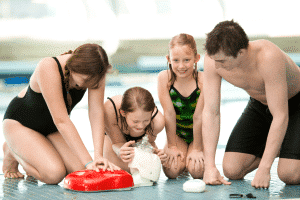
Learning resuscitation is essential to ensuring you are prepared for a day at the beach (Source: supplied) - Inland waterways may seem calm on top but are home to dangerous currents too. Always inspect the water’s nature before stepping in.
- Be adequately dressed. Cold water can cause hypothermia.
- Wear a life jacket.
- Avoid alcohol and drugs as these impair judgement

Be wary of rip currents Be water safe
A rip is formed when water that has flown into the beach tries to head back into the sea. As it does this, it forms a channel through which water travels at high speeds. The current in a rip is so strong that even experienced surfers or swimmers can have difficulty handling it. The water in a rip is usually a darker colour because it’s deeper and calmer since there are no waves breaking.
What to do if you’re caught in a rip
- Don’t panic, float so you save energy.
- Raise your weaker hand so that you can use the stronger hand to paddle.
- Don’t try to swim against the rip. First figure out which way the rip is taking you and then – if you can – swim left or right to the rip.
- If you see whitewash in the waves, try to move towards those as that may be a sandbank. Waves will also push you towards the beach
For more information: https://www.ripcurrents.com.au/
If you spot someone in danger – Be water safe
- Alert the lifeguard if possible
- Call 000
- Alert people around you
- Never try to rescue anyone yourself
Other essential safety tips
- Stop, Look, Stay Alive – it’s important to take responsibility for your own safety. Part of this includes being aware of your own limitations
- Always read the signs before entering into the water
- Avoid unpatrolled beaches and always swim between the red and yellow flags at patrolled beaches. You can find a list of safe locations at Beachsafe.org.au
- Check for rips and hazards before entering the water. If in doubt, do not go in.
- When rock fishing, always wear a life jacket, check tides and weather, do not turn you back on the sea and never fish alone.
- Never swim directly after eating
- Tell someone your plans and expected return time.
- Check conditions as water levels can rise suddenly after rain or dam releases.
- Beware of fast currents and submerged hazards.
- Be adequately dressed: Even in summer, inland waters can cause hypothermia.
- Be aware of your medical conditions
- If you get into trouble in the water, stay calm, signal for assistance. In the meantime, float with the current or undertow
- Ensure children are supervised at all times
- Jot down the number of the lifeguard
- Drink lots of water to stay hydrated so you don’t get cramps whilst swimming
- When Boating and Paddling wear an approved life jacket at all times.
- Learn resuscitation – A quick course in resuscitation can prove life-saving, especially in inland waterway situations where lifeguards aren’t present.
- For information on CPR:
- For kids: http://kidshealth.schn.health.nsw.gov.au/cpr
- For adults: https://www.healthdirect.gov.au/how-to-perform-cpr
READ MORE: Be water safe this summer