




n Indian cinema, Kashmir has always occupied a charged space. It is a landscape that has been sung about, fought over, romanticised, politicised, and most recently, re-examined through documentary-like retellings of displacement and trauma. But Baramulla, directed by Aditya Suhas Jambhale, steps into this terrain differently. It does not raise its voice or attempt to shock with statistics. Instead, it whispers. It lingers. It allows silence to do the storytelling, the kind of silence that comes with old grief.
At the centre of this quiet storm is Manav Kaul, playing DSP Ridwaan Sayyed, a police officer transferred to Baramulla with his wife (Bhasha Sumbli) and young daughter and son. What begins as a standard procedural thriller – missing children, a community on edge, and hints of something paranormal—slowly shapes into a meditation on memory, guilt, and the wounds of the Kashmiri Pandit exodus that still live under the fabric of the valley.
AT A GLANCE
Series: Baramulla (Netflix)
Director: Aditya Suhas Jambhale
Cast: Manav Kaul, Bhasha Sumbli, Arista Mehta, and Mir Sarwar
Rating: ★★★★☆
The house the family moves into is one of those classic film houses, creaking doors, dim halls, the sort of structure that feels like it has seen generations pass. But Jambhale is not interested in haunted-house clichés. The haunting here does not come from shadows that jump across the screen, but from the histories that have seeped into the walls. The house stands as a metaphor for Kashmir itself: beautiful, scarred, holding secrets that refuse to be forgotten.
Kaul plays Ridwaan with extraordinary restraint. He says little, but his silences are loaded. There is a dignity to his performance. No melodrama, no heroic posturing. Just a man carrying weight he cannot yet name. Bhasha Sumbli’s presence deepens this emotional atmosphere. Her quiet warmth, interrupted by growing unease, makes the family dynamic feel lived-in and vulnerable. The film allows space for their tenderness, small moments of shared tea, looking out into the misted valley, before unsettling us with what lies underneath.

The film’s structure is deliberately slow in the first half. It takes its time, almost insisting the viewer breathe the same cold air the characters are moving through. This pacing may test some audiences, particularly those accustomed to “crime-thriller” speed. But the unhurried approach works, because when the story finally reveals what it is truly about, the emotional impact lands with a sharp and unexpected force.
Jambhale uses the supernatural not as spectacle but as symbol. The whispers in the night, the eerie footsteps, the unseen presence. These represent the trauma that was never acknowledged, never soothed, never healed. The ghosts are not spirits; they are memories. And memory, in Baramulla, is the real horror.
In the last act, the film opens its wound fully. The revelation about the house’s past and its connection to Ridwaan’s present is not played for shock value. Instead, it is delivered with a devastating tenderness. The kind that leaves you still for a few moments after the scene ends. The climax, particularly, is one of the strongest seen in recent years. Deeply human.
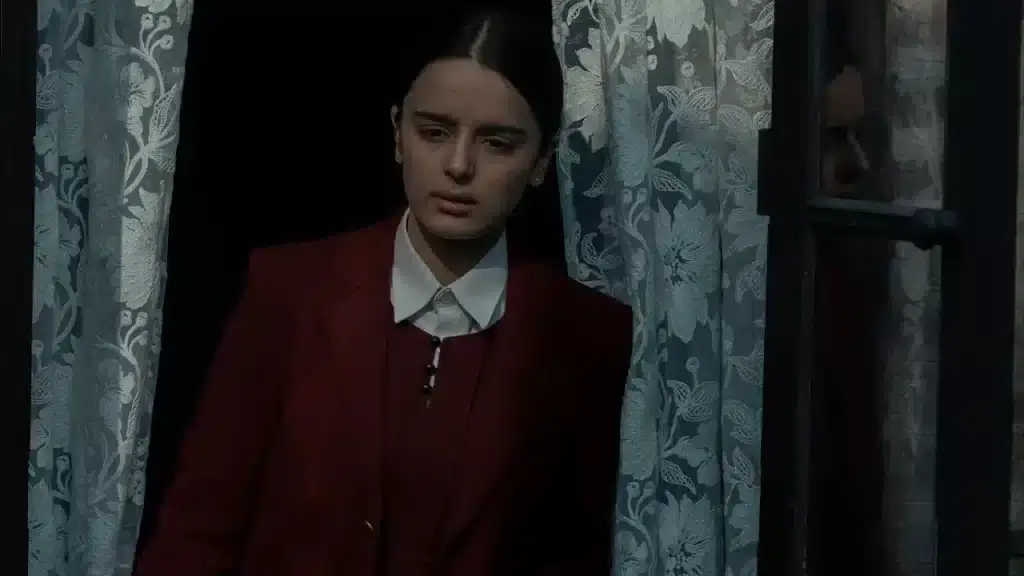
Cinematographically, Baramulla is stunning. The camera moves with patience — wide, snowy landscapes contrasted with tight, intimate interiors. The soundtrack is sparse, which further amplifies the sense of isolation and unease. The absence of a background score at key emotional moments allows the audience to feel the ache, unmediated.
Produced by Aditya Dhar, who is gearing up for his mega release Ranveer Singh-starrer Dhurandhar, Baramulla is not a film designed for casual weekend viewing. It is a film that asks the viewer to arrive with attention and with care. It will stay with you long after the credits roll, not because it frightened you, but because it reminded you of something we too easily forget: history is not past. It breathes. It remembers. And it returns.
Read more: The Ba***ds of Bollywood: Review