Home Blog Page 923

The Silent Epidemic

0
Reading Time: 4 minutes

Confronting society’s darkest demon of child abuse is everyone’s responsibility

Halloween is slowly becoming a popular occasion in Australia, with many people putting on masks and using the opportunity to dress up as something they are not. Traditionally, during Halloween, party goers will don a scary outfit and parties will be decorated with skeletons and ghouls.

This is what makes Halloween the perfect time to discuss an issue that is amongst the scariest in society, and one people would rather keep hidden: the ever growing rate of sexual abuse perpetrated against children.

This year, instead of hiding behind our masks, we’ll open our hearts, our minds, our wallets and our mouths to break the silence surrounding this epidemic.

And it really is an epidemic. In Australia alone statistics reflect that one in three girls and one in six boys will receive some sort of unwanted sexual attention during their childhood. These statistics only reflect the number of reported incidents, and it is understood the rate is much higher in countries like India, Pakistan and Fiji, where many of the ethnically Indian diaspora still have family members today.

Parents are extremely vigilant in warning their children about “stranger danger” and “bad people” who are not to be trusted. It’s often noted that Indian parents are amongst the most overprotective in Australian culture, or at least as a child growing up within an Indian family it can certainly feel that way! This can be really helpful in ensuring that children are not abducted, or hit by a car accidentally whilst playing outside.

However, in the case of sexual abuse, 95 per cent of the time the perpetrator is someone known to the child and the family.

This was the situation in my case. Someone outside of my immediate family, but a trusted part of their inner circle nonetheless. I’ve always had (and continue to have) the most supportive, protective and – above all – cautious parents anyone one could ask for. There have been countless times I wish they’d have been less cautious and let me do the many things that I probably shouldn’t have been doing anyway.

This didn’t stop me from being abused.

Perpetrators of abuse are clever and manipulative, and they will abuse the trust of the child and their family in order to commit their offences. Being opportunistic can be easy in a culture as trusting as ours, as the Indian communities within Australia feel a sense of kinship and trust amongst each other. This is wonderful, and to be encouraged, but can also be very easily violated. How many times do you see kids running together and free at a family event or wedding, where the ‘family’ consists of over a hundred people, or the wedding is of a distant relative and attended by hundreds of strangers? These ‘safe spaces’ in which we assume our children will be taken care of are often an ideal setting for a predator.

The solution isn’t to automatically bar children from ever doing anything and wrap them up in cotton wool kept behind closed doors. As a parent, or a caring adult, the hardest reality is that you may be completely unable to prevent abuse because abusers will work to make abuse happen.

As adults, it is our responsibility to be vigilant, to ensure that home is a safe space for our children. If we suspect abuse, we must confront and deal with it instead of sticking our heads in the sand just because the person arising our suspicion is a family member or a friend, or a member of the community.

It’s safe to say that most people aren’t child abusers, and of course no one wants to be accused of being one, however if the someone you suspect is a decent person, they’ll simply understand and commend you for looking out for the interests of the child.

The worst thing we can do for our children is to stigmatise abuse. As a community, we must band together and be supportive and help those who’ve been harmed instead of labelling them ‘damaged goods’ and unable to be helped, or married, or to recover. Victims of abuse should not feel fear or shame about something that was done to them, and must be assured that abuse is not their fault.

Sweeping the matter under the rug causes within the child a sense of fear and disappointment, like they’ve done something so unspeakably wrong that it can’t ever even be mentioned again. What must people think of them? We don’t know, so we, as children, often assume the worst.

Recovery is not only possible, it is essential. Organisations like Rosie’s Place have been working in this area for over 15 years, and director Cathy Want stands by their organisation’s mission statement: “Children and young people have a right to live in an environment that is free from violence and abuse and a right to access all services available within their community. Rosie’s Place is committed to working to support children, young people and families in obtaining safety, and providing resources to increase their safety”.

With this in mind, I’ve teamed up with the Fijian Indian community to host a fundraiser this Halloween with all proceeds being donated to Rosie’s Place.

People often ask me why I’m doing this, and why now after all these years? In her recent address to the United Nations, regarding another important cause, gender equality, Harry Potter’s Emma Watson summed it up best – “If not me, who? If not now, when?”

To find out more about my story, or how to support us in this journey, please visit http://tinyurl.com/rosies2014 or contact us via email, aneeta@wordologysolutions.com
 

Preeti Jabbal does us proud!

0
Reading Time: 5 minutes

Indian Link’s Preeti Jabbal wins the Victorian Multicultural Award for Excellence

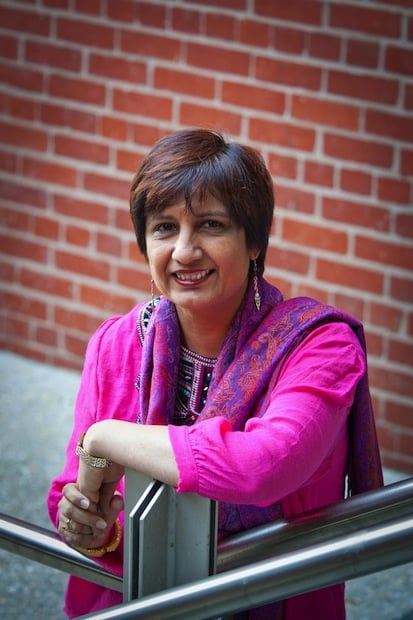
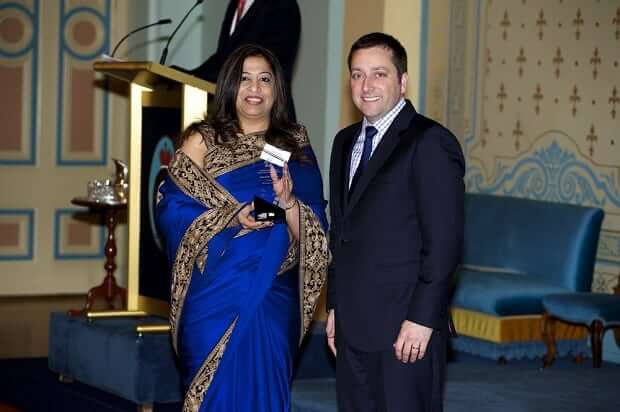
 Indian Link’s Melbourne coordinator Preeti Jabbal took home the Individual Media Award at the recently held Victorian Multicultural Awards for Excellence 2014 at Government House.

The award recognises “excellence in the reporting of multicultural affairs”, and acknowledges “the outstanding efforts of a person who highlighted issues of social importance and contributed to community awareness”.

With her passion for bringing issues and personalities to the fore through her writing in Indian Link newspaper, Preeti Jabbal has won the respect and admiration of the community as well as her peers in the newspaper industry.

Preeti has continually demonstrated a dynamic and strong relationship with the culturally, linguistically and religiously diverse communities in Victoria through her efforts to promote cultural collaboration, in particular the Australian Indian and South Asian community.

“I am so pleased to have received this recognition,” Preeti says. “I love doing what I do, connecting with people and learning about them and then telling their stories. It’s like an ongoing education, I learn something with each interaction and share it with my readers.”

“Enriching is the word I would use for the whole experience. It is an invaluable part of my life,” she remarks with characteristic passion.

As a prolific writer about issues such as domestic violence, gender equality, cultural conflict, multiculturalism and migration, Preeti is well regarded for her sensitive understanding of relevant community issues and the balanced perspective she provides through Indian Link newspaper and radio.

It all started for Preeti as a young child. A lifelong passion for writing began while she jotted down thoughts on a piece of paper while watching her mother in the kitchen. The little poem penned in the kitchen was sent to a kids’ magazine and published immediately. Many write-ups followed and a hobby morphed into a career.

Family and friends were not surprised when Preeti chose to finish her university years with a post grad degree in Mass Communication and Journalism. As a bright and bubbly 22-year-old, she started work at a local newspaper in Nagpur called Lokmat Times. It was a rapid trajectory for Preeti from looking after a single leisure page, to handling the children’s magazine to becoming the editor of their regular supplement Montage, all within a year and a half.

“Marriage and migration to Australia certainly created a temporary diversion,” Preeti reveals. “However, the writing bug remained in the system!”

Her first researched story in Melbourne was published in The Age in 1995. Journalism was considered a closed market at that time and not easy to get into so Preeti dabbled in other professions. Her first break came in the form of a phone call from Pawan Luthra the Sydney-based editor of Indian Link who offered her a job as a co-anchor for a Sunday morning radio show. The rest as they say is history.

Preeti has worked as the Melbourne Coordinator of Indian Link for more than a decade, now writing innumerable interviews, reviews, reports, features and profiles that link India and Australia. Besides this she has continued her corporate career, as well, by literally burning the candle at both ends.

Her husband Ravinder, who she describes as her ‘rock’, has proudly supported her in pursuing her many passions, often joining in as well with just as much enthusiasm. Her son, Ronit, is her pride and joy.

Preeti believes strongly that communication is the human connection that forms the key to community relations.

Having been recognised previously by a multitude of organisations over the past few years, Preeti has been a panellist on domestic violence as part of the Victoria Harmony Day 2013 and a panellist on PS3 Parenting in a Multicultural Society Forum in September 2013.

“As a writer you can live a vicarious life and amass varied experiences. You can also reach out to thousands of people. It is very important for me to do so creatively, conscientiously and ethically,” says Preeti.

And with whole-heartedness, she might as well add. Says Rajni Anand Luthra, Editor of Indian Link, “At Indian Link, Preeti has happily taken on any story leads thrown her way, and followed them through to conclusion. This, besides digging up newsworthy stories herself from the community. Many of her stories are put in at ungodly hours of the night, as she toils away after finishing her household chores and family responsibilities. But more often than not, they are accompanied by a note saying how much she enjoyed doing the story.”

Rajni adds, “Preeti’s effervescent personality and enthusiastic attitude make her a valued member of our team. She is a shining ambassador of the Indian Link brand in Melbourne.”

___

Victoria’s Multicultural Awards for Excellence 2014


SERVICE DELIVERY TO MULTICULTURAL VICTORIA (Individuals)

Molina Asthana (Community Service)

Patrick Francis and Lesley Francis (Arts)

The Francis family


SERVICE DELIVERY TO MULTICULTURAL VICTORIA (Organisations)

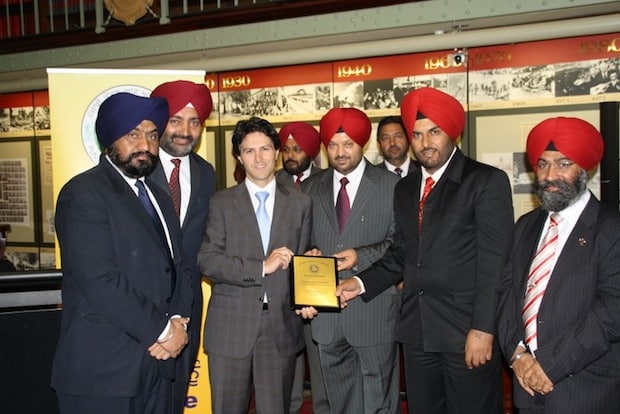
Federation of Indian Associations of Victoria (Community Service)

FIAV members and Matthew Guy


MEDIA AWARD

Preeti Jabbal


POLICE AND COMMUNITY MULTICULTURAL ADVISORY COMMITTEE AWARDS

PSO Harminder Singh


MERITORIOUS SERVICE TO THE COMMUNITY

Siri Krishan Auplish For his outstanding voluntary contribution to the Indian community of Victoria

Siri Krishan Auplish and family

Nisha Bhatnagar For her outstanding voluntary contribution to the Indian and broader community of Victoria.

Uma Ganapathireddy For her outstanding voluntary contribution to the Indian community of Victoria

Bhattachary Mudumba For his outstanding voluntary contribution to the multicultural communities of Victoria

Sugu Maran For his outstanding voluntary contribution to the Tamil community of Victoria.

Meeta Narsi For her outstanding voluntary contribution to the multicultural community of Ballarat

Award winners: Uma, Harminer, Preeti, Nisha and Molina

Anil Sharma For his outstanding voluntary contribution to the Indian community of Victoria

Sanjay Unadkat For his outstanding voluntary contribution to the multicultural communities of Melbourne

Ranjan Vaidya For his outstanding voluntary contribution to the Nepalese community of Victoria

Anil Sharma and his wife

Bitten by the acting bug

0
Reading Time: 5 minutes

With a stint in Japan and roles on a much-loved Australian soap opera, along with a role in a new film and a successful Djing career, Sarah Roberts is no ordinary Australian actress

Sarah Roberts is making her mark on the Australian acting scene. Currently the Melbourne beauty is starring in the Australian film Felony as Ankhila, the mother of a young boy killed in a hit and run accident.

Initially, Sarah didn’t think she had received the part. “I had three auditions, two in Melbourne and then a final call-back in Sydney,” she recalls. “It was terrible! I walked out of the Sydney audition and called my mum and told her, ‘I think I stuffed it up, I won’t get it’. Then I had to wait two weeks to hear back and I was thinking, ‘I definitely won’t get it, they’ve picked someone else’. I was walking home from Chapel Street (in Melbourne) and crying thinking about how bad everything was, when my agent called to tell me I got the role. That certainly turned my day around!”

Preparation for the role involved using the ‘Chubbuck’ technique, an acting method involving emotional substitution. Sarah worked closely with the child actor playing her son as much as possible prior to filming in order to create the sense of emotional loss. “I also sat in hospital a lot,” she says. “It was really sad, and I had to draw on and channel that on set.”

“It has got to be my favourite role up to now,” Sarah continues. “The cast and crew were all awesome, and it’s a great film. We had a great atmosphere on set, and it was the most challenging role for me.”

Along with the film’s writer Joel Edgerton and director Matthew Saville, Sarah and the Felony team are getting ready to take the film to LA this month.

“It’s amazing because it was a year ago that we were taking the film to Toronto (film festival),” Sarah says. “It’s awesome to see the response. You don’t get sick of it. Each time you’re in a different part of the world it’s a different feeling. In Toronto it was fun because I had never been there before or to the Festival, and in Melbourne (for MIFF) it was exciting to show everyone at home what I’ve been doing.”

Sarah began dance classes around age three and enjoyed the performance aspect. “I love the feeling of freedom when I’m dancing,” she says.

After leaving school, aged 18, Sarah moved to Tokyo, Japan and scored a role working in Disney’s production of Aladdin. “I was Princess Jasmine,” Sarah recalls, “And it was great playing a princess every day. The way you’re treated in that environment, you really get to feel like a princess!”

After three years, and after getting the taste for acting, Sarah moved back to Australia where she scored roles in television series including Jack Irish, the INXS telemovie and Neighbours, where she played the much-despised Sienna.

“It’s cool to be recognised,” Sarah says, “But people didn’t like my character on Neighbours so I did receive hate mail, mainly mean stuff on the internet. When I first saw it I got upset, but after speaking with other actors, I’ve learned, in this industry, you can’t let that get to you.”

Growing up in Melbourne with exotic looks, thanks to her diverse Australian and Sri Lankan heritage, Sarah faced prejudice. “My sister and I went to school on the peninsula and the other kids weren’t used to seeing people like us, it was all very Anglo-Saxon. They called us names, but because of that experience I’m a stronger person now,” she says.

That strength helped Sarah when she was on the televisions series Bollywood Star where ordinary Australians were given the chance to score a role in a film by legendary Bollywood director Mahesh Bhatt. As part of the final six, Sarah went to Mumbai and stayed with a family in the slums of the city.

“It seems like a lifetime ago,” Sarah says. “I made some really good friends and I got to go to India and experience Indian culture and see how the film industry works over there, but Bollywood is very hard. Ultimately, I had to decide if I wanted to do Bollywood or Hollywood, and I chose to tackle Hollywood.”

“I had just finished Bollywood Star when I auditioned for Felony, and I actually based some of Ankhila on the mother from the family I met in India,” Sarah reveals. “This mother – all she cared about was her children. She was married at 14 and her children were everything. She was just all about making sure they had the opportunities to work and be better.”

Sarah wants to continue juggling her successful acting career with her role as one half of the DJ duo Vamp, which plays at venues and festivals around Australia. The pair have worked with Hollywood singer Eve and will be supporting Aqua on their tour later this year. “It’s not too hard to balance DJing with acting, it’s half and half,” Sarah says.

For a long time Sarah shied away from her Sri Lankan heritage, but now she embraces her unusual looks. “I’m casting for so many different ethnicities – Iranian, Afghani, Iraqi, Australian. I like being about to learn all the different accents and embrace learning parts of these new languages for roles and auditions.”

“It doesn’t matter to me if it’s film or TV,” Sarah says, “I just like acting.”


Sixty holding a nation to ransom

0
Reuters
Reading Time: 3 minutes

A recent report suggests that between 60 and 70 Australians may have joined ISIS in Iraq and Syria

Reuters

That 60 misguided individuals can hold a country steeped in multiculturalism to ransom, is indeed a study in frenzied media statements, politicians wanting to cash in on populist votes, and playing on the fears and insecurities of people.

No doubt, we must respect intelligence reports and ratchet up ways to make our community safer. More frontline police presence will certainly allay any fears which members of any community may be facing.

However, we need to focus on three areas so we can continue enjoying the freedom and openness that is a hallmark of our society, rather than the campaign of suspicion and fear that is currently on.

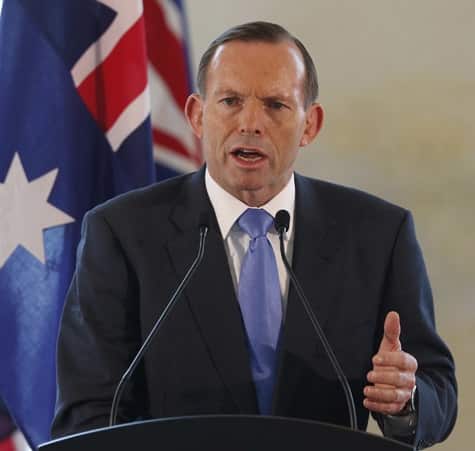
Let’s start with the leaders. Look at the marked contrast between how Indian Prime Minister Narendra Modi and his Australian counterpart Tony Abbott articulated their concerns of home-grown terror threats.

PM Modi, in an interview with Fareed Zakaria of CNN, said, “My understanding is that they (Al-Qaeda) are doing injustice towards the Muslims of our country… If anyone thinks Indian Muslims will dance to their tune, they are delusional. Indian Muslims will live for India. They will die for India. They will not want anything bad for India”.

Asked why so few amongst India’s roughly 170 million Muslims have joined Al-Qaeda, Modi suggested the issue was one of a wider fight for principles, rather than a question of nationality. “This is a crisis against humanity, not against one country or one race”.

PM Tony Abbott on the other hand, articulated similar words of ‘Team Australia’, but rather than to drive home the message of being ‘one nation, one people’, only managed to antagonise a certain section of the community. While all Australians will agree that we need to fight this evil, true leadership can also be demonstrated by speaking softly but carrying a large stick.

Fiona Katauskas, Eureka Street

PUP Senator Jacqui Lambie’s ill-informed comments about sharia law, and Liberal senator Cory Bernardi’s call to ban the burqa, rankled Muslim Australians and displayed ignorance at best or started a recruitment drive for ISIS at worst.

Second, the media needs to exercise restraint in feeding the fire. Case in point, the haste with which even a balanced group like Fairfax Media labelled an innocent young Muslim Australian man a “Teenage Terrorist”.  In an apparent grab for eyeballs, competing against the more aggressive News Ltd stable of papers, this grave error by the Fairfax group, to be strongly condemned, highlights the need for those in charge of reporting and shaping community opinion to look beyond the headlines into what sort of society message they seek to send out. Shame on you, Fairfax, for what came through on your front pages.

Perhaps you could pick positive stories from multicultural Australia, about those who have contributed significantly to society. The doctors who perform miracles; the technicians who keep our IT systems running; the honest taxi drivers; the chefs who regale us with their culinary skills; the innumerable teachers who shape and mould the lives of our young ones – go seek out and expose these stories.

And finally, to us. There are many things we can do to enable ourselves and our children to live in a harmonious society. Google sharia law, so we can understand what it means, rather than to take Jacqui at her ignorant ranting. Learn about why the burqa is worn. Get to know our migrant neighbour. As 10-year-old caller Mohammed said on a recent ABC talkback show, “I am a Muslim Australian. Talk to us and get to know us. We are good people”.

Roger Federer takes to Twitter for tourist tips

0
Reading Time: 2 minutes

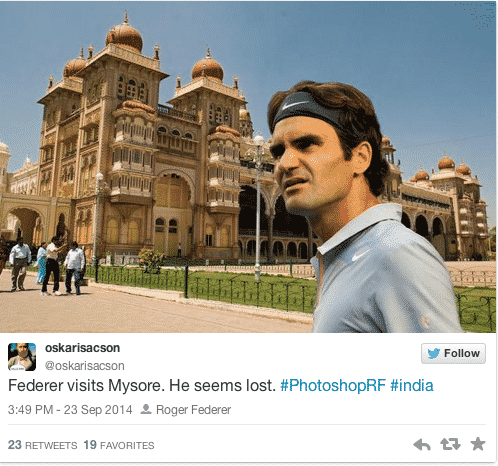
Roger Federer asks Indian fans for help travelling around India…

Indian fans eagerly respond to his plea by photoshopping the tennis pro’s face around the country… 

Atithi Devo Bhava

0
Reading Time: 3 minutes

A new restaurant in Melbourne is pushing the boundaries in Indian cuisine

Despite the vast diversity of Indian food, an experience dining out for Indian in Australia is typified by chicken tikka masala and curries that tend to be overly rich or spicy. So when an Indian restaurant claims that it will provide nouvelle cuisine using seasonal ingredients with a focus on natural flavours and light textures together with a simple visual aesthetic, you sit up and take notice.


Everything about the recently launched Indian restaurant Tadka Boom, including its name, suggests breaking away from the norm. Located at Goldsbrough Lane in Melbourne’s CBD, Tadka Boom touts itself as Melbourne’s first Indian fusion kitchen that offers healthy Indian. To quote them, “We couldn’t find healthy Indian anywhere, so we decided to invent it”.


At Tadka Boom don’t expect buttery naans and creamy korma, instead look for Indian flavours with salads, wraps, brown rice, homemade chutneys and food made with a mom’s love. Mom being Lalitha Rajan who gave up a successful corporate career to launch the restaurant with her son Ashwin Rajan in order to share her love for healthy food with Melbourne.


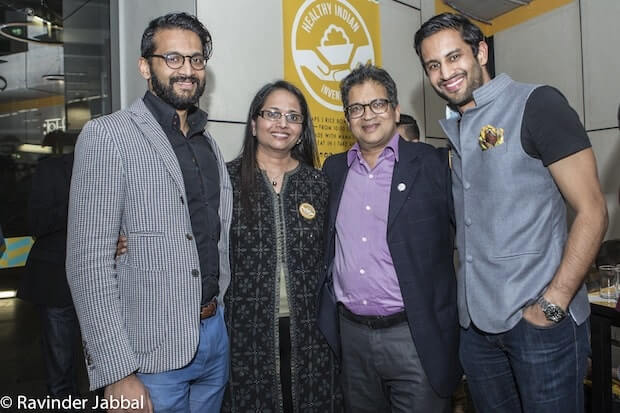
Lalitha’s passion for food was visible at the recently held official launch of Tadka Boom as she spoke enthusiastically about her new venture.


“For me it’s all about food, feeding people and sharing my knowledge of food. There is a lot more to Indian food than just Nan, Butter Chicken and Roganjosh. We have a huge variety of food in India that can be fresh, light and healthy. At Tadka Boom you will get home-style food made with fresh quality ingredients, traditional Indian spices and recipes, cooked and served with lots of love,” Lalitha said.


She also introduced guests to new Kingfisher wines sourced from South Africa but now available in Australia through local distributers.


Ashwin Rajan, restaurant co-founder and head of sales and marketing, is a former solicitor and investment banker who intends to raise capital through underwriting healthy Indian cuisine.

“With Tadka Boomwe wish to transform some perceptions around Indian food in Melbourne. Scribbled on our walls is the Sanskrit saying Atithi Devo Bhava, loosely translated means Guest is God, which is the underlying philosophy and part of all that we are about at Tadka Boom. Mom and I are very excited about this journey and we hope our journey lasts a very long time,” said Ashwin during the official launch.


The café style décor at Tadka Boom is modern with a large hand-painted portrait of Mahatma Gandhi dominating the uncluttered walls. In-house architect consultant Akshay Rajan has used bespoked lighting, yellow and teal combinations and tiffin accessories to create a quirky, contemporary look.


Your appetite is piqued from interesting menu suggestions named Tik-Tikka Boom (grilled marinated chicken), Kid Kaboom (slow cooked marinated lamb) and Mr Parker’s prawns (grilled ginger chili prawns). Mama Rajan’s special Kerala spiced ice-cream is known to be worth every scoop, while coffee from the Coorg region in India tempts those with an adventurous palate.


The place is designed mainly for food on the go, but for those that are not rushing and those who prefer a leisurely meal, it may be interesting to learn the story behind each dish that is influenced and enriched by Rajan family history.


There are many reasons to be charmed by Tadka Boom with its promise of traditional Indian with a western twist. As it shapes up to be an exciting addition to Melbourne’s culinary landscape, let’s hope the fun and freshness continues to boom.


Healthy living

0
Reading Time: 3 minutes

A new study from Deakin University shows that migration to Australia might be harmful to your health

A new study conducted by Associate Professor Santosh Jatrana of Alfred Deakin Research Institute (ADRI), has revealed that healthy immigrants who arrive in Australia can end up suffering from the same chronic health disorders experienced by locally-born Australians after just 20 years of their lives here.

The study, conducted by Assoc. Prof. Jatrana along with Dr Samba Siva Rao Pasupuleti (ADRI) and Dr Ken Richardson (University of Otago, NZ), showed that in just over two decades there was a significant decline in the health of migrants who arrived in Australia from both English-speaking and non-English speaking countries.

When asked what prompted her to study the health profile of Australia’s migrant population, Dr Jatrana said that an estimated 26 per cent of Australia’s total population is born overseas, and net overseas migration is the major contribution to population growth. Since employability is one of the main criteria by which migrants are selected, and since good health is essential for employability (and productivity when employed), a decline in the health of immigrants with longer duration of stay in a new country undermines one of the main goals of immigration policy.

“As the number of immigrants in Australia continues to rise, it has become increasingly important to know how health profiles differ between foreign born and native born individuals, and how those health profiles change over time,” Dr Jatrana said. “This will help identify vulnerable immigrant populations and thereby lead to relevant and revised migration policies.”

The study revealed that there are several parameters that can contribute to migrant health including adoption of Australian habits relating to diet, physical activity, smoking and alcohol, as well as the stress of migrating, adjusting to a new culture, and discrimination.

While all migrants are at risk of some stress and discrimination because of their overseas-born status, characteristics such as visible minority status may place some migrant communities at risk.

Dr Jatrana also said that another significant factor was sociocultural barriers which could also impact some immigrants from accessing preventative health care, such as lower rates of cancer screening among some immigrant women from certain ethnic groups.

Associate Professor Jatrana’s study has been published in the journal Social Science and Medicine and the data required was obtained from the Household, Income and Labour Dynamics in Australia (HILDA) Survey. This study was funded by an Australian Research Council Discovery Grant to Professor Jatrana.

The immigrants selected for the study were divided into two broad groups, namely foreign-born people from English-speaking countries, and foreign-born people from non-English-speaking countries. Immigrants from the United Kingdom, United States of America, New Zealand, Canada, Ireland and South Africa were in the English-speaking group, and other immigrants were in the non English-speaking group.

Currently, the study only looks at the presence of chronic conditions relevant in the Australian population like cancer, chronic bronchitis, asthma, heart/coronary disease, high blood pressure/anxiety, circulatory conditions (stroke, hardening of arteries), arthritis, and diabetes mellitus.

When asked if her study could have negative repercussions on the percentage of migrants arriving in Australia, Dr Jatrana said that it is too early to provide a definitive answer but unlikely to happen.

“First, health is only one of many reasons why people migrate, think about income, education, governance and so on. Second, the effects are generally long-term, and people don’t tend to think long-term. Third, for those that do, if they know about our study and the possible reasons for what we have found, they will hope to mitigate them. Fourth, we are arguing for a policy response, so they may conclude that it could well be different in 10-20 years’ time.”

An alumna of Jawaharlal Nehru University, New Delhi and The Australian National University, Canberra, Dr Santosh Jatrana joined Deakin University in February 2011 after working in the Department of Public Health at the School of Medicine and Health Sciences, University of Otago, New Zealand. She also currently holds an honorary senior research fellow position at the University of Otago.

She is also the lead editor of the book Migration and Health in Asia and was one of the guest editors of a special issues of the Asian and Pacific Migration Journal on Migration and Health in Asia. She has published widely on migrant health issues in peer-reviewed journals.

In 2012, she was also awarded a fellowship from the Australian Academy of Science for her project ‘Brain drain there, brain gain here: Understanding the health impact, regulation and health policy implications of health workforce imbalances in an Indian context’.

Assoc. Prof. Jatrana and her team continues their research on this topic and are currently exploring other health issues such as obesity, mental, physical health, specific chronic conditions and the role of health behaviour, health service utilisation and social support to explain the decline in health of immigrants with years spent in Australia.


From Amritsar to Australia: Punjabi migration trends

0
Celebrating Vaisakhi at NSW Parliament
Reading Time: 6 minutes

An in-depth look at the India-born Punjabi speaking community in Australia

Sikh Regiments have been marching at Anzac Day parade since 2007

The Australian Bureau of Statistics (ABS) is the main statistical agency in Australia and has been conducting a Census of Population and Housing once every five years since 1961. The most recent Census was conducted by the ABS in 2011.

The 2011 Census data published by the ABS contains information relating to the language spoken at home by country of birth. The ‘language spoken at home’ question records the main language other than English spoken at home. A peek into the demographic characteristics of Indian-born people in Australia who indicated Punjabi to be the language spoken at home reveals some interesting trends.

According to the ABS, on 9 August 2011 (i.e. Census night), there were around 57,000 India-born people in Australia who indicated that they mainly speak Punjabi at home. A major proportion of this population arrived in Australia in or after the year 2007. The reasons given for immigration are wide and varied, including for higher studies, better career prospects, to join family members or a combination thereof.

Sanjona Thakkar, of Melbourne, hails from Punjab and is a recent immigrant to Australia. “I came to Melbourne with my spouse in 2013 and am currently working towards meeting the requirements to work as a dentist in Australia,” she said.

Rupinder Kaur, Australian national wrestling team

Some historical documents indicate that the first Sikhs, a vast majority of whom can be assumed to be from Punjab, arrived in Australia around the mid-1800s. The early migrants came from an agrarian background in India and engaged in agricultural and livestock production related activities. With the passage of time and towards the beginning of the 20th century, a large proportion of Sikhs in Australia were working as hawkers in regional Australia. Hawking in those times typically required travelling from one town to another on horse driven carts and selling goods of interest to farmers and their families. These goods ranged from work wear to fashionable clothing. The Sikh hawkers of that time are a testament to the industrious and dynamic nature of the community.

The changing socio-political climate of early to middle 20th century led Sikhs to many other places in Australia and various occupations. Notable amongst these are the Sikh settlements in NSW’s mid north coast town of Woolgoolga. Many Sikhs settled in Woolgoolga around the middle of the 20th century and helped fill in the war time shortages of labour in the banana industry which is prominent in this region. Woolgoolga now has one of the largest Sikh populations in regional Australia and a vast majority of the banana farms in the region are owned by Sikhs.

Sydney’s Platinum Indian Entertainment are well-known for their energetic bhangra

The metropolitan region spread of the Punjabi community in Australia today indicates that more than 50% of this population resides in Greater Melbourne (48%) and Greater Sydney (27%) combined. The balance population is located in Greater Brisbane (9%), Greater Adelaide (7%), Greater Perth (7%) and other regions of Australia. A vast majority of this population indicated an affiliation with Sikhism. The population is well represented across different income groups, and the estimated average individual income is circa $30,000 per annum. Both Melbourne and Sydney host a number of Gurdwaras and Punjabi associations. Gurdwaras are Sikh places of worship. Some of the Punjabi and Sikh associations in Melbourne and Sydney include the Victorian Sikh Association, Australian Punjabi Association Melbourne, and the Australian Sikh Association. Such associations serve the Punjabi and Sikh community in Australia and its specific regions. They also contribute to the wider Australian society by way of charitable activities and by actively engaging in the development of a more multicultural Australia.

A Teeyan event in Melbourne

Jagtar Singh is affiliated with the Australia Sikh Association Inc. in Sydney. “The Australian Sikh Association actively engages in many community events including fund raising for people affected by natural disasters and other similar events. We helped raise funds for the people affected by the recent bush fires in Victoria and New South Wales, and the Queensland floods,” he said.

The growing number of people in this community has led to the celebration of Punjabi festivals in major metropolitan cities of Australia on a fairly large scale. The community celebrates a range of Punjabi festivals including Lodhi, Teeyan, Makar Sankrant and Holi. Paramjit Kaur Dosanjh is a member of the Teeyan festivity organising committee in Melbourne. “Teeyan is characterised by newly married and young unmarried women coming together to celebrate the beginning of the rainy season. Traditionally, married women used to visit their parental home to celebrate Teeyan. In 2014, the Teeyan celebrations in Melbourne attracted in excess of 700 people from the Punjabi community,” she said.

Cricketer Gurinder Sandhu

A major proportion of this population is associated with the 20-34 year age cohort (70%), and the estimated average age of this population is approximately 31 years. The proportion of males (61%) in this community far outnumbers the females (39%). A vast majority of this population over the age of 15 years are married (65%), and this is followed by people who have never married (26%). These statistics indicate that this community is characterised by being a predominantly young demographic group. Education and sports are encouraged for the young within the community. Punjabi language schools conduct classes in major Australian capital cities for those interested in learning the language. Some of these include the Khalsa Punjabi School in Melbourne, Sikh Gurudwara Perth Punjabi School, and the Punjabi School in Adelaide.

Punjabi landmarks such as Baisakhi are now increasingly celebrated in State parliaments.

In many Australian cities, Sikh ex-servicemen participate proudly in the annual Anzac Day parades, in a tribute to their Anzac forebears.

“It is a solemn ceremony of remembrance to show our gratitude for the bravery and heroism of our ancestors,” says Bawa Jagdev of the Sikh Council of Australia, and a regular Sydney parade participant.

Celebrating Vaisakhi at NSW Parliament

One of the important events in the community’s social calendar is the Australian Sikh Games. These are held once every year in a new city or town every subsequent time and are a representation of the Sikh community’s competitive spirit. These games commenced in 1988 and the 27th Annual Australian Sikh games recently concluded in Perth. There are unconfirmed reports that the 2015 Sikh games will be held in Coffs Harbour in NSW.

Furthermore, an increasing number of the athletes from the Punjabi community are beginning to make a mark at the national and international level. Rupinder Kaur is a wrestler who represented Australia at the Glasgow Commonwealth Games this year; Sandeep Kumar represented Australia in freestyle wrestling at the 2008 Summer Olympics in Beijing; and Gurinder Singh Sandhu is an Australian cricketer who played for the Australia Under-19 cricket team in the 2012 ICC Under-19 Cricket World Cup.

The Punjabi community in Australia is a significant element of the larger Australian fabric, and continues to make positive contributions to the Australia community.

Baisakhi Fair


The classical scene

0
Reading Time: 3 minutes

It’s dance, dance, drama and vocals that keep the Carnatic crowd engrossed this month

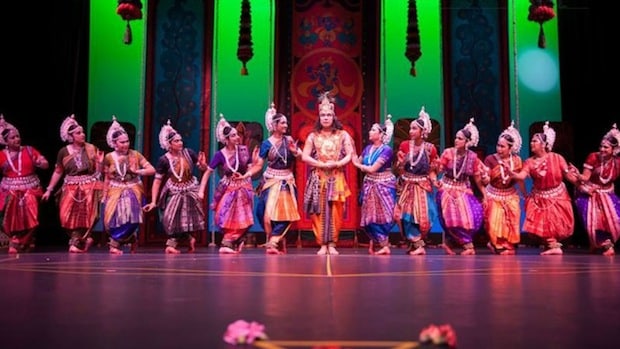
Gita Govinda

Gita Govinda is a collection of poems in Sanskrit by the great poet Jayadeva who lived in the 13th century around what we know today as Odisha. The poems are known for their lyrical beauty and evocative passages. His Dasavatara verses extol Lord Vishnu’s ten incarnations, although he has become synonymous with shringara on account of his privileging Radha’s love for Krishna in most of the divine songs. They are imbued with love, longing and reunion, symbolic of the soul’s longing for the dark-hued Lord. Those of us familiar with Indian classical dance, know that songs from the Gita Govinda are popular with most of the dance genres, especially Odissi.

Chandrabhanu’s classical dance company and the Jambudvipa Ensemble recently presented two evenings of Gita Govinda in Odissi at the Rennaissance Theatre in Kew on 12 and 13 September. The evening began with the Dasavatara by the talented dancers of the Bharatalaya Academy, an item which beautifully depicted the 10 avatars of Lord Vishnu. This was followed by accomplished individual dance items from the Gita Govinda, performed both solo and as a group.

The production also featured live music composed and sung by the acclaimed vocalist Krushna Chandra Ray, who was accompanied by a gifted orchestra of musicians from Orissa including the sitar, violin, flute and pakhawaj. The lilting music in soulful ragas added to the rasika‘s enjoyment. Ambika Docherty was the ‘nattuvangist’ who held the performance together.

Chinmaya Mission’s Ramayan

Rama: The Prince of Power, was a much awaited production of the youth wing of Chinmaya Mission, and it ran for two days, 20 and 21 Sept, at the George Wood Performing Arts Centre in Ringwood. Done entirely by the young volunteers of the Mission, it was a delightful, entertaining and engaging drama-cum-dance on the great Indian epic. There was standing room only at the large auditorium on both the days, and the two-and-a half-hour play was a huge success by any standard. It was well arranged, choreographed, directed and produced in English by a group of Melbourne’s own talented Chinmaya volunteers, and it was able to capture the imagination of the young and old who filled the Arts Centre over the weekend.

The entire cast did an excellent job; and with the dialogues in English, they managed not to sound too stilted – no mean achievement! There was minimal conversation, and the emphasis was, quite wisely, on action: the dancers were particularly striking, and the battle scenes very cleverly executed. The enthusiasm among the audience was palpable, and they joined in when cheering Lord Ram and Hanuman, or applauding their feats and revelling in their victories! Everything from the costumes to the backdrop (the projection of appropriate slides allowed the producers to make do with minimal stage sets), music, and the scene changes was done with the utmost attention to detail! It was a Ramayan par excellence, and it deserves to be seen by audiences all across Australia.

Because of popular demand, there is a likelihood of this dance drama being performed again in April 2015. Anyone who wants to convey an expression of interest can email:

Nithurshan on nithurshan_123@hotmail.com or

Shubam on Shubam_bhaskar@hotmail.com


S. P. Ramh

InConcertMusic presented a Carnatic vocal concert by S. P. Ramh on 13 September at the Wellington Secondary College. S. P. Ramh is a talented vocalist from the legendary Lalgudi school, and his performance that evening bore all the hallmarks of that parampara.
He began with a charukesi varnam, followed by the popular kriti ‘Vallabha Nayaka’, both imbued with classicism and melody. Other popular compositions were similarly rendered, be it the Hamsanandi, Vasantha Bhairavi or the Dhanyasi pieces, which he embellished with alapana, niravals and kalpana swaras. The Bhairavi item, ‘Bala Gopala’, was the piece de resistance, as he gave it the full treatment: a masterly alapana, finished with complex kalapana swaras. The ragam-tanam-pallavi was in Shanmukhapriya, and it was a polished gem.  Other concluding items all got the Ramh treatment, and was enjoyed thoroughly by the discerning music-loving crowd.

It’s getting spicy!

0
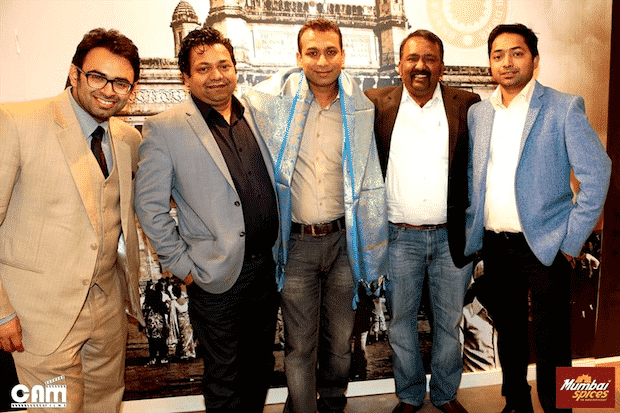
Partners of Mumbai Spices with Creative Art Media's Kulbir Singh
Reading Time: 3 minutes

A new incarnation of the Mumbai Spices restaurants has opened in Melbourne

Partners of Mumbai Spices with Creative Art Media’s Kulbir Singh


Amidst much fanfare and fireworks, guests saw the opening of Mumbai Spices, a new Indian restaurant in Wantirna, Melbourne. Part of a popular chain, Mumbai Spices is the brainchild of Prem Ganapathy who rose from humble beginnings as a dosa seller on the streets of Mumbai, to become the mastermind behind the brands Dosa Plaza and Mumbai Spices with branches in the USA, India and now in Australia.

Mumbai Spices varied menu offers Mumbai-style street food, South Indian dishes and Indo-Chinese cuisine with minimal trappings to help keep the cost of food reasonable.

Anyone who is familiar with Mumbai-style food would recognise and relish the famous street style vada pav, Bombay sizzlers, and Mumbai mutton and biryani dishes on offer. Add to this South Indian favourites like chicken chettinad, dosas with curries, Indo Chinese manchow soup, chilli chicken and drums of heaven and the mouth starts to salivate in anticipation.

The décor at the Mumbai Spices in Wantirna is pleasant and the walls feature sepia-tinted images of Mumbai, from the iconic Victoria Terminus Station and Gateway Of India to Mumbai Local Train, Auto Rickshaws, Gateway Of India and BEST (The Brihanmumbai Electric Supply & Transport Undertaking) Buses, all of them reminiscent of the vibrant, thriving streets of Mumbai. A series of photos of famous Bollywood actors can be seen on top of the well-stocked bar.

“Mumbai is synonymous with Bollywood and I had to have these images,” declared Prem Ganapathy.

The restaurant is spacious and well-lit with a capacity to seat around 120 patrons. Located on the busy Wantirna Road, you can’t miss the brightly lit sign or the large exterior.

Recently, Bruce Atkinson MLC, President of the Legislative Council of Victoria, along with Brian Tee, Shadow Minister for Planning and Shadow Minister for Sustainable Growth, officially opened the restaurant. Several dignitaries were present at the jam-packed opening to enjoy the special food and hospitality.

MC Kaushalya Vaghela introduced the guests to the creative process and efforts that went behind ensuring a smooth opening. Prem Ganpathy, with his distinctive moustache, was seen chatting to guests and wrapping traditional Indian shawls on community leaders as a token of gratitude for their ongoing support.

According to Aloke Kumar, who is the national promoter of the business, along with Aakash Kumar and Tejinder Kalra, plans are already afoot to open another branch of Mumbai Spices in Geelong and Altona.

Opening of Mumbai Spices by Bruce Atkinson and Brian Tee